
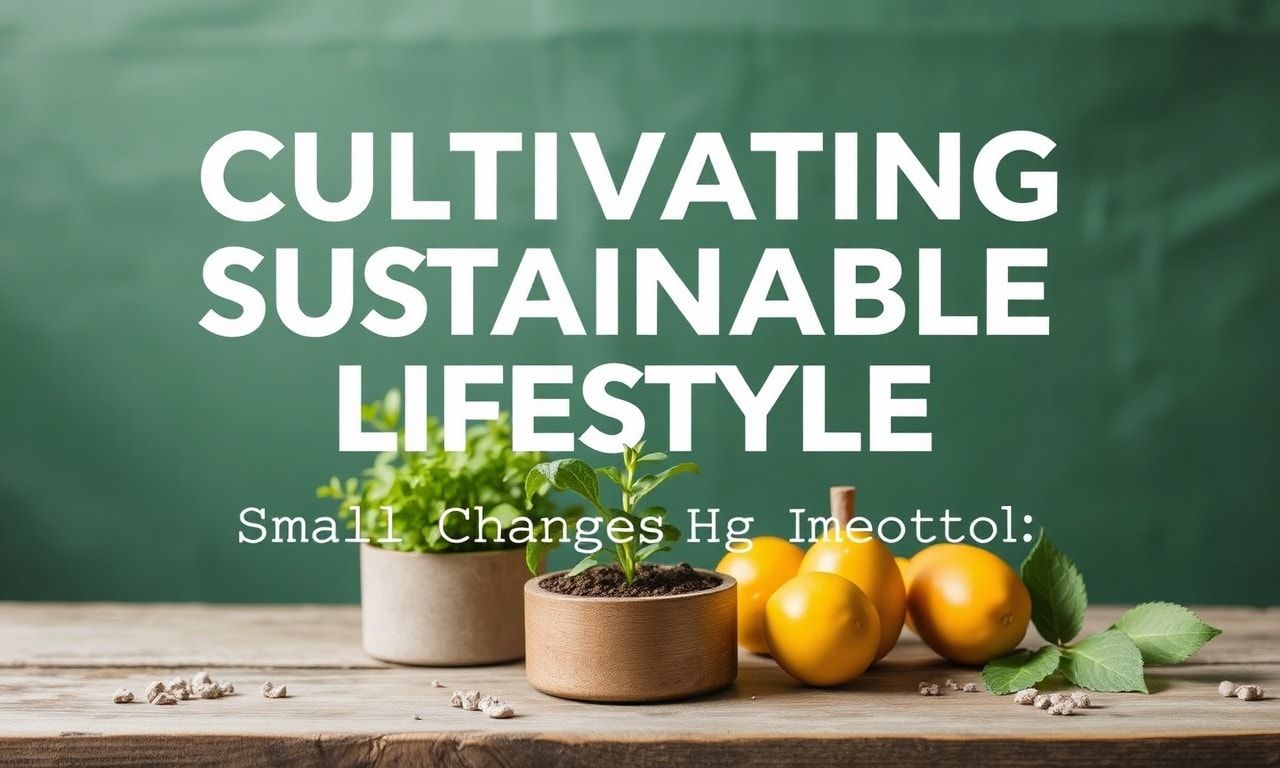
The Importance of Sustainable Living
In an era where climate change and environmental degradation are at the forefront of global concerns, adopting a sustainable lifestyle is more crucial than ever. Sustainable living is not just about grand gestures; it’s about incorporating small, mindful changes into our daily routines that collectively make a significant impact. By making conscious choices, we can reduce our carbon footprint, support ethical practices, and contribute to a healthier planet.
Mindful Consumption: The Foundation of Sustainability
One of the cornerstones of a sustainable lifestyle is mindful consumption. This involves being aware of the products we buy, their origin, and their impact on the environment. Opting for products that are locally sourced, organic, or fair trade can make a substantial difference. For instance, incorporating daily routines to support fair trade products ensures that you are contributing to ethical labor practices and sustainable farming methods. Mindful consumption also extends to reducing waste by choosing reusable items over single-use plastics and repairing items instead of discarding them.
Creating an Eco-Friendly Home
Your home is a reflection of your values and lifestyle. Transforming it into an eco-friendly space can be both rewarding and impactful. Start by evaluating your energy consumption. Switching to energy-efficient appliances, using LED bulbs, and installing a programmable thermostat can significantly reduce your energy bills and carbon footprint. Additionally, consider using non-toxic cleaning products and natural materials for home decor. Small changes like composting kitchen waste and using rainwater for gardening can also contribute to a more sustainable home.
Green Spaces and Indoor Plants
Incorporating greenery into your living space is not only aesthetically pleasing but also beneficial for your health and the environment. Indoor plants improve air quality by absorbing toxins and releasing oxygen. They also create a calming atmosphere, reducing stress and enhancing productivity. If you have outdoor space, consider creating a small garden where you can grow your own vegetables and herbs. This not only ensures fresh, organic produce but also connects you with nature, fostering a deeper appreciation for sustainable living.
Sustainable Fashion: Dressing with a Conscience
The fashion industry is one of the largest contributors to environmental pollution. Adopting sustainable fashion practices can help mitigate this impact. Start by assessing your wardrobe and identifying items that you no longer wear. Instead of discarding them, consider donating or selling them to second-hand stores. When shopping for new clothes, opt for brands that prioritize ethical practices, use sustainable materials, and have transparent supply chains. Thrifting, upcycling, and swapping clothes with friends are also excellent ways to refresh your wardrobe sustainably.
Building a Capsule Wardrobe
A capsule wardrobe is a curated collection of versatile, high-quality pieces that can be mixed and matched to create various outfits. This approach reduces the need for excessive shopping and encourages mindful consumption. Invest in timeless, durable items that align with your personal style and can be worn year-round. By building a capsule wardrobe, you not only simplify your life but also contribute to a more sustainable fashion industry.
Nurturing Relationships and Community
Sustainable living extends beyond individual actions; it encompasses the relationships we nurture and the communities we build. Engaging with like-minded individuals and participating in community initiatives can amplify your impact. Organize or join local clean-up drives, support local businesses, and share your knowledge about sustainable living with others. Building a supportive community fosters a collective commitment to environmental stewardship and social responsibility.
Educating and Inspiring Others
Education is a powerful tool for driving change. Share your sustainable living journey with friends, family, and social media followers. Document your experiences, share tips, and inspire others to adopt eco-friendly practices. Host workshops or webinars on topics like zero-waste living, sustainable gardening, or ethical fashion. By educating and inspiring others, you create a ripple effect that extends far beyond your immediate circle.
Self-Care and Sustainable Living
Self-care is an integral part of a sustainable lifestyle. Taking care of your physical, mental, and emotional well-being ensures that you have the energy and resilience to pursue your sustainable goals. Incorporate activities like meditation, yoga, and mindfulness practices into your daily routine. Prioritize a balanced diet rich in plant-based foods, stay hydrated, and get adequate sleep. Remember, a healthy you is better equipped to make positive changes in the world.
Mindful Travel and Eco-Tourism
Traveling sustainably is another way to reduce your environmental impact. Choose eco-friendly accommodations, use public transportation, and support local businesses during your travels. Participate in eco-tourism activities that promote conservation and respect for local cultures. By making mindful travel choices, you contribute to the preservation of natural resources and the well-being of local communities.
Conclusion
Adopting a sustainable lifestyle is a journey of continuous learning and growth. It involves making conscious choices that align with your values and contribute to a healthier planet. By incorporating mindful consumption, creating an eco-friendly home, embracing sustainable fashion, nurturing relationships, and prioritizing self-care, you can make a significant impact. Remember, every small step counts, and collectively, these actions can create a wave of positive change. Start today, and inspire others to join you on this transformative journey towards a more sustainable future.