

This article provides a comprehensive guide on casting a turret for tanks, detailing materials, techniques, and best practices to ensure a successful outcome in tank manufacturing.
Understanding the materials required is crucial for successful turret casting. Commonly used materials include:
- Alloys: High-strength alloys are preferred for their durability and resistance to wear.
- Sand: Specially formulated sand is used for creating molds that can withstand high temperatures.
- Specialized Casting Compounds: These compounds enhance the strength and integrity of the turret.
The casting process involves several critical steps:
- Designing the Mold: This is a foundational step that requires precise measurements and considerations.
- Pouring Molten Metal: Executing this step with precision is vital for achieving the desired quality.
- Cooling the Metal: Proper cooling techniques are essential to avoid defects.
Mold design is foundational to the casting process. It requires careful consideration of:
- Turret Dimensions: Accurate dimensions are crucial for a proper fit on the tank.
- Weight Distribution: This affects the tank’s balance and performance.
- Internal Structures: These must be designed to ensure functionality and strength.
Various techniques can be employed for mold making:
- Sand Casting: A popular method known for its versatility.
- Investment Casting: Offers high precision and is suitable for complex designs.
Ensuring the mold’s quality involves rigorous inspection and testing. Techniques include:
- Pressure Testing: Identifies weaknesses in the mold.
- Visual Inspections: Helps catch any potential flaws before casting.
Safety is paramount during the casting process. Key measures include:
- Personal Protective Equipment (PPE): Essential for protecting workers.
- Adherence to Safety Protocols: Following guidelines can prevent accidents.
Poring and cooling the molten metal requires precision:
- Correct Pouring Techniques: This helps prevent defects like air pockets.
- Cooling Methods: Controlled cooling is vital for achieving desired mechanical properties.
Post-casting processes are critical for finishing the turret:
- Machining: Involves removing excess material for precise dimensions.
- Surface Treatment: Enhances durability and resistance to wear and corrosion.
Machining is essential for fitting the turret onto the tank:
- Precision Cutting: Ensures that all components align correctly.
- Quality Checks: Verify that the dimensions meet specifications.
Surface treatments can significantly improve the turret’s longevity:
- Coating: Provides an additional layer of protection.
- Heat Treatment: Improves mechanical properties and wear resistance.

What Materials Are Needed for Casting a Tank Turret?
When embarking on the journey of casting a tank turret, one of the most critical aspects to consider is the selection of materials. The success of the casting process heavily relies on the quality and suitability of these materials. In this section, we will explore the essential materials required for casting a tank turret, highlighting their characteristics and significance in ensuring a durable and robust final product.
Understanding the materials required is crucial for successful turret casting. The most commonly used materials include:
- Metal Alloys: The primary material for turret casting is metal alloys, particularly cast iron and steel. These alloys are favored for their excellent mechanical properties, including high tensile strength and resistance to deformation under stress. The choice of alloy can significantly influence the turret’s performance in combat scenarios.
- Sand: Sand is often used in the mold-making process. Silica sand is the most common type due to its ability to withstand high temperatures and its fine grain, which helps achieve a smooth surface finish. Additionally, sand molds can be easily shaped and reused, making them a cost-effective option.
- Specialized Casting Compounds: These compounds, such as resin-bonded sands or ceramic molds, are utilized for their superior durability and precision. They can withstand the intense heat generated during the casting process while providing excellent surface detail and dimensional accuracy.
- Flux Materials: Flux is added to the molten metal to remove impurities and improve fluidity. Common flux materials include borax and sodium carbonate, which help in achieving a cleaner cast and enhancing the overall quality of the turret.
Each of these materials plays a vital role in the casting process. For instance, the selection of metal alloys not only affects the turret’s strength but also its weight, which is critical for maintaining the tank’s overall performance. Similarly, the type of sand used can impact the mold’s integrity and the final surface finish of the turret.
Moreover, the use of specialized casting compounds allows for intricate designs and features that are essential for modern tank turrets. These materials ensure that the turret can withstand the rigors of battlefield conditions, including extreme temperatures and mechanical stress.
In summary, a thorough understanding of the materials required for casting a tank turret is essential for achieving a successful outcome. By carefully selecting the right alloys, sands, and casting compounds, manufacturers can produce turrets that meet stringent military standards and perform reliably in various operational environments.

What Are the Key Steps in the Casting Process?
The casting process for a tank turret is a complex and meticulous undertaking that demands attention to detail at every stage. Each step, from the initial design of the mold to the final cooling of the molten metal, plays a vital role in ensuring the turret meets the required specifications and quality standards. In this section, we will delve deeper into the key steps involved in the casting process, emphasizing the importance of precision and technique.
The casting process can be broken down into several critical steps, each of which is essential for achieving a high-quality turret. Below, we outline these steps to provide a comprehensive overview:
- Mold Design: The first step involves designing the mold, which is crucial for determining the turret’s final shape and dimensions. This requires careful calculations to ensure that the mold can accommodate the weight distribution and internal structures of the turret.
- Material Selection: Choosing the right materials is fundamental. Commonly used materials include various alloys and sand that provide the necessary strength and durability for the turret.
- Preparing the Mold: Once the design is finalized, the next step is to prepare the mold. This may involve creating patterns and ensuring that the mold surfaces are smooth to prevent defects.
- Pouring the Molten Metal: This step requires precision and timing. The molten metal must be poured into the mold at the correct temperature and flow rate to avoid issues such as air pockets or incomplete fills.
- Cooling the Metal: After pouring, the metal must cool adequately. Controlling the cooling rate is crucial to prevent warping and ensure uniform hardness throughout the turret.
- Post-Casting Processes: Once the metal has cooled, the turret undergoes various post-casting processes, including machining and surface treatment, to achieve the desired specifications and enhance its durability.
Each of these steps must be executed with precision to achieve the desired turret quality. Any miscalculation or oversight can lead to defects that compromise the turret’s performance and safety.
To maintain high standards during the casting process, quality control measures should be implemented at each stage. This includes:
- Inspection of Materials: Before the casting begins, all materials should be thoroughly inspected to ensure they meet quality specifications.
- Mold Testing: Conducting tests on the mold for integrity and accuracy is essential to avoid flaws in the final product.
- Monitoring Pouring Techniques: During the pouring process, monitoring the temperature and flow rate of the molten metal can help prevent defects.
- Cooling Rate Control: Implementing controlled cooling techniques can enhance the mechanical properties of the turret.
By adhering to these quality assurance practices, manufacturers can significantly reduce the risk of defects and ensure that the turret meets military standards for performance and safety.
Safety is paramount in the casting process, given the risks associated with handling molten metal and heavy machinery. Key safety measures include:
- Personal Protective Equipment (PPE): Workers should wear appropriate PPE, including heat-resistant gloves, face shields, and protective clothing.
- Proper Training: Ensuring that all personnel are adequately trained in casting procedures and safety protocols is crucial.
- Emergency Procedures: Establishing clear emergency procedures can help mitigate risks in case of accidents.
By prioritizing safety, manufacturers can create a secure working environment that enhances productivity and reduces the likelihood of accidents.
How to Design the Mold for the Turret?
Designing a mold for a tank turret is a critical aspect of the casting process, ensuring that the final product meets the required specifications for strength and durability. The mold design process involves several key considerations that must be meticulously addressed.
The mold serves as the blueprint for the turret, guiding the flow of molten metal and defining the turret’s shape. A well-designed mold can significantly enhance the quality of the final product, while poor design can lead to defects, such as misalignment and weak spots.
- Turret Dimensions: Precision in measuring the turret dimensions is paramount. Any discrepancies can lead to a turret that does not fit properly on the tank.
- Weight Distribution: The mold must account for the turret’s weight distribution to ensure stability during and after the casting process.
- Internal Structures: Designing internal features like ribs and supports can enhance the turret’s strength and reduce material usage.
The mold design process typically begins with 3D modeling software that allows engineers to visualize the turret’s dimensions and internal features. This step is crucial for identifying potential issues before the physical mold is created.
Once the initial design is complete, engineers should conduct finite element analysis (FEA) to simulate how the turret will behave under stress. This analysis helps in optimizing the mold design for performance and durability.
Various techniques can be employed in mold fabrication, including:
- Sand Casting: This traditional method involves creating a mold from sand, which is then used to pour molten metal.
- Investment Casting: This technique provides a high level of detail and is suitable for complex designs.
Quality assurance is essential in mold design. Regular inspections and testing should be conducted to ensure that the mold meets all specifications. Techniques such as pressure testing and visual inspections can help identify flaws before the casting process begins.
Advancements in technology have revolutionized mold design. Computer-aided design (CAD) and 3D printing are now commonly used to create precise molds quickly and efficiently. These technologies allow for rapid prototyping and adjustments, reducing lead times and improving overall efficiency.
In summary, the design of a mold for a tank turret is a multifaceted process that requires careful consideration of various factors, including dimensions, weight distribution, and internal structures. By employing modern technologies and rigorous quality assurance practices, manufacturers can ensure that their turrets meet the highest standards of performance and durability.
What Techniques Are Used for Mold Making?
When it comes to casting a turret for a tank, the mold making process is vital to achieving the desired shape and quality. There are various techniques available for mold making, each with its own set of advantages and limitations. Understanding these methods is essential for selecting the right approach for your specific turret design.
Among the most popular techniques for mold making are sand casting and investment casting. Each method has unique characteristics that make it suitable for different applications:
- Sand Casting: This technique involves creating a mold from sand, which is mixed with a binder. Sand casting is highly versatile and cost-effective, making it ideal for producing large parts like tank turrets. The sand can easily be shaped and reused, which contributes to lower production costs. However, this method may result in a rough surface finish.
- Investment Casting: Also known as lost-wax casting, this technique provides a high level of detail and a smooth surface finish. It involves creating a wax model of the turret, which is then coated in a ceramic shell. Once the shell hardens, the wax is melted away, leaving a precise mold. Investment casting is more expensive than sand casting but is perfect for intricate designs and high-quality components.
In addition to these primary methods, there are other techniques worth mentioning:
- Die Casting: This method uses high-pressure to force molten metal into a mold. It is suitable for producing small, complex parts with tight tolerances. However, die casting is generally not used for larger components like tank turrets.
- Shell Molding: Similar to sand casting, shell molding uses a thin layer of resin-bonded sand. This technique provides better dimensional accuracy and surface finish than traditional sand casting.
- 3D Printing: An emerging technology in mold making, 3D printing allows for rapid prototyping and complex geometries. It can be used to create molds directly or patterns for other casting methods.
Choosing the right mold making technique depends on several factors:
- Cost: Budget constraints may favor sand casting over investment casting.- Detail Required: Complex designs may necessitate investment casting.- Production Volume: High-volume production may benefit from die casting.- Material Type: Different techniques work better with specific metals and alloys.
Ultimately, the selection of a mold making technique should align with the turret’s design requirements and production goals. By carefully considering these factors, manufacturers can ensure that the casting process yields a high-quality turret that meets operational standards.
How to Ensure Mold Quality and Integrity?
Ensuring the mold’s quality and integrity is a critical aspect of the casting process, especially when manufacturing components like tank turrets. The quality of the mold directly affects the final product, impacting its durability, performance, and safety. This section explores various methods and techniques to guarantee that the mold meets the required standards before the casting process begins.
To maintain high standards in mold quality, several inspection techniques are employed. Visual inspections are the first line of defense, allowing operators to identify any obvious defects such as cracks, surface irregularities, or misalignments. However, visual checks alone may not be sufficient. To enhance reliability, pressure testing can be utilized. This method involves applying pressure to the mold to detect leaks or weaknesses that may not be visible externally.
Pressure testing is a method that simulates the conditions the mold will experience during the casting process. By filling the mold with a fluid or gas and monitoring the pressure levels, manufacturers can identify potential failure points. If the mold can withstand the applied pressure without any signs of deformation or leakage, it is deemed suitable for use. This rigorous testing ensures that the mold will perform effectively under the extreme conditions of molten metal pouring.
The materials used in mold construction significantly influence its quality. High-strength alloys and specialized casting compounds are preferred for their durability and resistance to thermal stress. Understanding the material properties allows engineers to select the right combination that can withstand the high temperatures and pressures involved in the casting process. Additionally, the mold’s surface finish can affect the quality of the cast product, making it crucial to choose materials that provide a smooth finish.
Mold design plays a pivotal role in ensuring quality. A well-designed mold not only facilitates easy pouring but also minimizes the risk of defects. Key aspects of mold design include:
- Dimensional Accuracy: Precise dimensions ensure that the final product fits correctly and meets specifications.
- Weight Distribution: Proper weight distribution within the mold helps avoid structural weaknesses in the cast product.
- Internal Structures: Features like ribs and supports can enhance the mold’s strength and stability.
Regular maintenance of molds is essential to preserve their integrity and performance. Routine checks and cleaning can prevent the buildup of residues that may compromise the mold’s quality. Additionally, timely repairs of any identified flaws can extend the lifespan of the mold, reducing costs associated with replacements and ensuring consistent production quality.
Advancements in technology have introduced innovative methods for mold quality assurance. Techniques such as 3D scanning and computer simulations allow for more precise mold designs and inspections. These technologies enable manufacturers to predict potential issues before they arise, facilitating proactive measures to enhance mold quality.
In conclusion, ensuring mold quality and integrity is a multifaceted process that involves a combination of rigorous inspections, material selection, precise design, and maintenance. By employing a comprehensive approach that incorporates advanced technologies and techniques, manufacturers can significantly enhance the reliability and performance of their molds, ultimately leading to superior casting outcomes.
What Safety Measures Should Be Taken During Casting?
Safety is paramount during the casting process, especially in industries such as tank manufacturing where the stakes are high. The casting of a turret involves handling molten metal and heavy machinery, which can pose significant risks if proper precautions are not taken. By adhering to established safety protocols and utilizing personal protective equipment (PPE), workers can minimize the likelihood of accidents and injuries.
To ensure safety during the casting process, the following PPE is essential:
- Heat-Resistant Gloves: Protect hands from burns when handling hot materials.
- Safety Goggles: Shield eyes from molten metal splashes and debris.
- Face Shields: Provide additional protection for the face against heat and flying particles.
- Steel-Toed Boots: Prevent foot injuries from heavy equipment and falling objects.
- Protective Clothing: Wear flame-resistant garments to reduce the risk of burns.
In addition to wearing appropriate PPE, following strict safety protocols is crucial. Here are some key measures:
- Training and Education: All personnel should undergo comprehensive training on casting processes and emergency procedures.
- Regular Safety Audits: Conduct frequent inspections of the workplace to identify potential hazards and rectify them promptly.
- Emergency Procedures: Develop and communicate clear emergency response plans, ensuring all workers know how to react in case of an accident.
- Equipment Maintenance: Regularly service and inspect machinery to ensure it operates safely and efficiently.
- Clear Signage: Use visible signs to indicate hazardous areas and remind workers of safety practices.
Establishing a culture of safety within the workplace can significantly reduce risks. Here are some strategies to foster a safer environment:
- Encourage Reporting: Create an open environment where employees feel comfortable reporting safety concerns without fear of repercussions.
- Monitor Work Practices: Supervisors should actively monitor work practices to ensure compliance with safety standards.
- Promote Teamwork: Encourage workers to look out for one another, fostering a collective responsibility for safety.
In conclusion, safety during the casting process is not just a regulatory requirement but a critical aspect of operational efficiency and employee well-being. By equipping workers with the necessary PPE, adhering to safety protocols, and fostering a culture of safety, manufacturers can significantly mitigate risks associated with turret casting. A commitment to safety ensures that the casting process is not only effective but also sustainable in the long run.

How to Pour and Cool the Molten Metal?
Pouring and cooling the molten metal is a critical stage in the casting process that requires both precision and timing. A thorough understanding of the correct pouring techniques and cooling methods can significantly influence the final turret’s strength and durability. This section delves into the essential aspects of pouring and cooling, ensuring that the cast turret meets the required specifications for military applications.
Optimizing the pouring technique is vital to ensure a successful casting. Here are some key techniques:
- Temperature Control: Maintaining the appropriate temperature of the molten metal is crucial. A temperature that is too low can cause solidification before the mold is filled, while a temperature that is too high can lead to defects.
- Flow Rate Management: Controlling the flow rate of the molten metal as it enters the mold prevents turbulence, which can create air pockets and inclusions. A steady, controlled pour is essential for achieving a smooth fill.
- Mold Positioning: The orientation of the mold during pouring can affect how the metal flows. Ensuring that the mold is properly positioned minimizes the risk of trapping air and allows for a more uniform fill.
The cooling process is equally important as it directly affects the mechanical properties of the turret. Here are some considerations:
- Cooling Rate: The rate at which the molten metal cools can determine the microstructure of the final product. Controlled cooling rates help prevent warping and ensure a uniform hardness across the turret.
- Cooling Methods: Different cooling methods can be employed, such as air cooling or water quenching. Each method has its benefits and can be selected based on the desired properties of the turret.
- Stress Relief: After cooling, it is essential to perform stress relief processes to eliminate any internal stresses that may have developed during cooling. This step helps enhance the durability and longevity of the turret.
Understanding the potential defects that can arise during the pouring and cooling stages is vital for maintaining quality. Common defects include:
- Air Pockets: These occur when air gets trapped in the mold during pouring, leading to weak spots in the turret.
- Cold Shuts: This defect happens when two streams of molten metal meet but do not fuse properly, resulting in a weak joint.
- Warpage: Uneven cooling can cause the turret to warp, compromising its fit and function on the tank.
In conclusion, mastering the art of pouring and cooling molten metal is essential for achieving a high-quality tank turret. By focusing on precise pouring techniques and effective cooling methods, manufacturers can significantly enhance the strength and durability of the final product. Investing time and resources into these processes ensures that the turret meets the rigorous standards required for military use, ultimately contributing to the overall performance and safety of the tank.
What Techniques Optimize Metal Pouring?
In the intricate process of casting a turret for tanks, the technique of pouring molten metal plays a pivotal role in determining the quality and integrity of the final product. Mastering the pouring technique is essential for achieving a successful casting, and it involves several critical factors, including temperature control and flow rate management.
Maintaining the correct temperature of the molten metal is crucial. If the temperature is too low, the metal may not flow smoothly into the mold, leading to incomplete fills and potential defects. Conversely, if the temperature is too high, it can result in excessive oxidation and contamination, which compromises the metal’s structural integrity. Therefore, achieving and maintaining an optimal pouring temperature is essential for preventing defects such as air pockets, which can weaken the final product.
The flow rate of molten metal during pouring is another critical factor that influences the quality of the casting. A controlled flow rate ensures that the molten metal fills the mold uniformly and completely, reducing the risk of turbulence that can lead to air entrapment. Techniques such as using a pouring basin or a ladle with a controlled spout can help manage the flow rate effectively. Additionally, the use of valves can allow for precise control over the pouring speed, ensuring a consistent fill.
- Preheat the Mold: Preheating the mold can help reduce thermal shock and improve the flow of the molten metal.
- Use a Steady Hand: Maintaining a steady hand while pouring minimizes the risk of splashing and turbulence.
- Monitor the Pouring Angle: The angle at which the metal is poured can affect the flow. A slight tilt can help guide the metal into the mold more effectively.
- Utilize Pouring Aids: Tools such as pouring cups or funnels can assist in achieving a controlled and directed pour.
To further minimize the risk of defects during pouring, it is vital to ensure that the mold is clean and free from debris. Any contaminants can lead to inclusions and surface flaws in the final casting. Additionally, implementing a vacuum system can help remove any trapped air within the mold, further enhancing the quality of the cast turret.
Once the molten metal has been poured, the cooling process becomes critical. Cooling must be controlled to prevent warping and to ensure uniform hardness throughout the turret. Rapid cooling can lead to brittleness, while slow cooling might result in uneven properties. Techniques such as controlled cooling using water jackets or cooling fans can help achieve the desired mechanical properties of the turret.
In summary, optimizing the pouring technique is essential for achieving high-quality castings in tank turret manufacturing. By controlling the temperature and flow rate, employing best practices, and ensuring proper cooling, manufacturers can significantly enhance the integrity and performance of the final product.
How to Control the Cooling Process Effectively?
Controlling the cooling process is a critical aspect of casting a tank turret, as it directly influences the mechanical properties of the final product. The cooling rate can significantly affect the turret’s strength, hardness, and overall performance. Implementing effective cooling strategies is essential to prevent defects such as warping and to ensure uniform hardness throughout the turret.
The cooling rate refers to how quickly the molten metal transitions from a liquid to a solid state. A controlled cooling rate is vital because it helps in achieving the desired microstructure of the metal. Rapid cooling can lead to brittleness, while slow cooling may result in a softer material that lacks the necessary strength. Therefore, understanding the balance between these extremes is crucial for optimal turret performance.
- Water Quenching: This method involves immersing the cast turret in water to rapidly cool the metal. While effective, it must be carefully managed to avoid thermal shock.
- Air Cooling: Allowing the turret to cool in still air is a slower process that can yield a more uniform hardness. This method is often used when the desired mechanical properties are less critical.
- Controlled Atmosphere Cooling: Utilizing an environment with controlled temperature and humidity can help manage the cooling rate effectively, reducing the risk of defects.
The mechanical properties of the turret, such as tensile strength and ductility, are heavily influenced by the cooling process. For instance, a quicker cooling rate typically enhances hardness but may reduce ductility, making the material more prone to cracking under stress. Conversely, a slower cooling rate can improve ductility but may compromise hardness. Therefore, finding the right cooling strategy is essential for meeting the specific requirements of the turret’s application.
Inadequate control of the cooling process can lead to various issues, including:
- Warping: Uneven cooling can cause the turret to warp, leading to misalignment with the tank body.
- Cracking: Rapid cooling can induce stress within the metal, resulting in cracks that compromise structural integrity.
- Inconsistent Hardness: Variations in cooling rates can lead to uneven hardness distribution, affecting performance during combat.
Modern technology offers various solutions to enhance the cooling process. Thermal imaging and computer simulations can predict how the metal will cool, allowing manufacturers to adjust parameters in real-time. Additionally, automated cooling systems can maintain consistent temperatures throughout the cooling phase, further ensuring the quality of the cast turret.
In summary, effective control of the cooling process is paramount in casting a tank turret. By employing various techniques and leveraging technology, manufacturers can achieve the desired mechanical properties and enhance the durability and performance of the turret. Understanding the implications of cooling rates and implementing strategic measures can significantly contribute to the success of tank manufacturing.
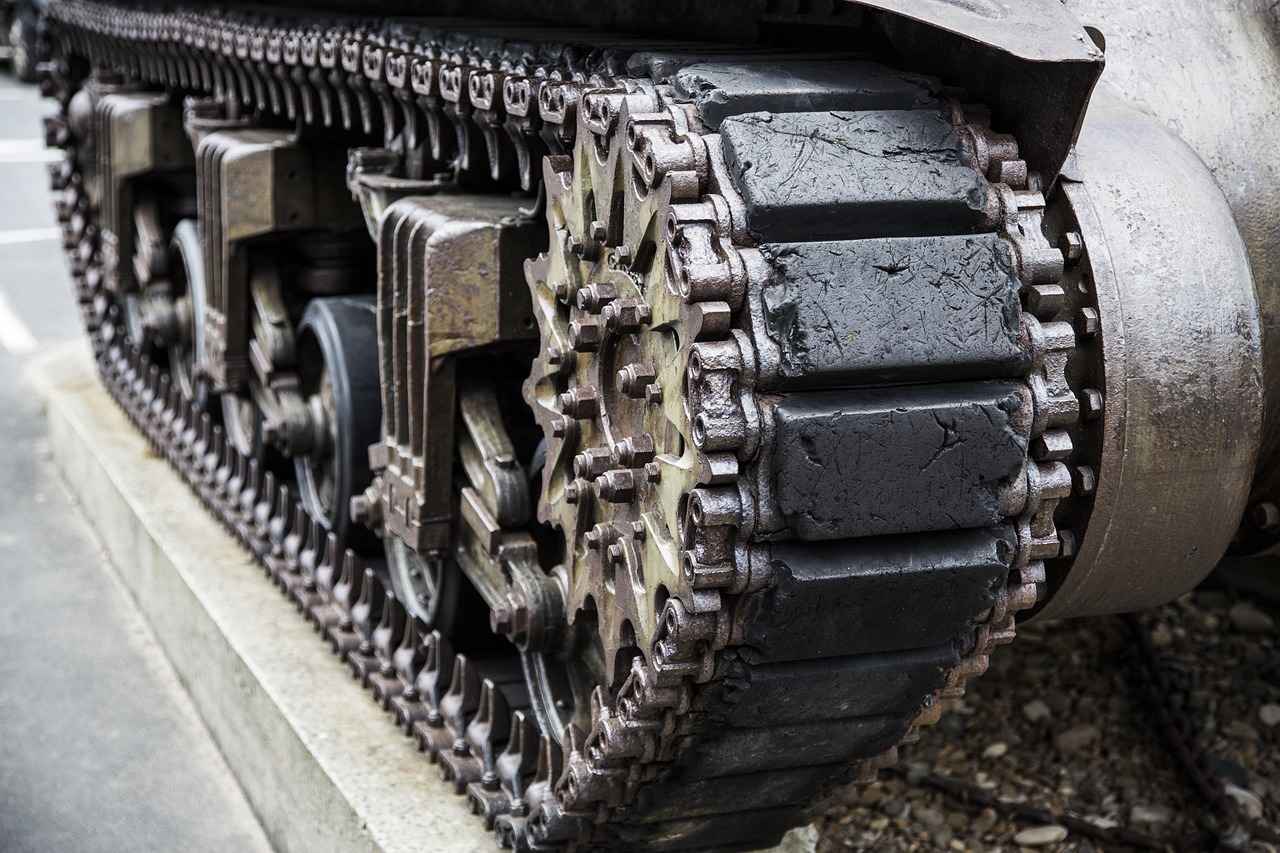
What Post-Casting Processes Are Essential?
Post-casting processes are critical for finishing the turret. These processes ensure that the turret not only meets the required specifications but also adheres to stringent military standards. The steps involved in post-casting are designed to enhance the turret’s functionality, durability, and overall performance.
- Machining: This is the process of removing excess material from the cast turret to achieve precise dimensions. Machining is essential for ensuring that the turret fits perfectly onto the tank and operates efficiently. Techniques such as milling, drilling, and turning are commonly employed to refine the turret’s shape and features.
- Surface Treatment: After machining, surface treatments are applied to enhance the turret’s durability. These treatments can include coatings that provide resistance to corrosion and wear. Options such as anodizing, powder coating, and heat treatment significantly improve the turret’s lifespan and performance in harsh environments.
- Quality Assurance Checks: Rigorous quality assurance checks are vital to ensure that the turret meets military standards. These checks include visual inspections, dimensional measurements, and non-destructive testing methods such as ultrasonic or radiographic testing. These inspections help identify any defects or weaknesses that could compromise the turret’s integrity.
Machining is a precise process that involves the use of various tools to shape the turret accurately. By removing excess material, machinists can achieve the exact specifications required for optimal performance. This step is crucial, as even minor discrepancies can affect the turret’s functionality and its ability to withstand combat conditions. Additionally, machining allows for the creation of features such as mounting points and interfaces that are essential for the turret’s integration with the tank.
Surface treatments play a significant role in enhancing the turret’s resistance to environmental factors. For instance, powder coating provides a robust layer that protects against rust and abrasion, while heat treatment improves the hardness and strength of the material. These treatments not only extend the turret’s life but also ensure that it can withstand the rigors of military operations.
Quality assurance checks are essential for maintaining high standards in turret manufacturing. These checks ensure that every turret produced is free from defects and meets the necessary specifications. By employing various testing methods, manufacturers can guarantee that the turret will perform reliably under combat conditions. This step is crucial for military applications where the safety and effectiveness of personnel and equipment are paramount.
The effectiveness of post-casting processes directly influences the overall performance of the turret. Each step, from machining to surface treatment and quality assurance, contributes to the turret’s ability to function correctly and withstand harsh conditions. By investing time and resources into these processes, manufacturers can ensure that the final product meets the rigorous demands of military applications.
In summary, post-casting processes such as machining, surface treatment, and quality assurance checks are vital for the successful completion of a tank turret. These steps not only enhance the turret’s durability and functionality but also ensure compliance with military standards, ultimately leading to improved performance in the field.
How to Perform Machining on the Cast Turret?
Machining is a crucial process in the manufacturing of a tank turret, as it involves the precise removal of excess material to achieve the desired dimensions and specifications. This step is vital for ensuring that the turret fits perfectly onto the tank, which is essential for operational efficiency and overall performance.
Machining not only refines the turret’s shape but also enhances its functionality. The accuracy achieved through machining is critical for several reasons:
- Precision Fit: A well-machined turret ensures that all components fit together seamlessly, reducing the risk of operational failures.
- Enhanced Performance: Proper machining can improve the turret’s mobility and effectiveness in combat situations.
- Durability: By removing excess material, machining can help in redistributing stress and enhancing the turret’s lifespan.
Several machining techniques are employed to achieve the required specifications for tank turrets:
- Milling: This technique involves using rotating cutters to remove material from the turret. It is particularly useful for creating flat surfaces and complex shapes.
- Turning: In this process, the turret is rotated against a stationary cutting tool to achieve cylindrical shapes and precise dimensions.
- Drilling: This is used to create holes for mounting and assembly purposes, ensuring that all components align correctly.
The machining process for a tank turret follows a systematic approach:
- Preparation: The turret is securely mounted on the machining equipment, ensuring stability during the process.
- Tool Selection: Choosing the right tools is essential for achieving the desired finish and precision. Different materials may require specific cutting tools.
- Machining Operations: The selected machining operations are carried out, with constant monitoring to maintain the correct dimensions.
- Quality Control: After machining, the turret undergoes rigorous quality checks to ensure it meets all specifications before proceeding to surface treatments.
While machining is essential, it does come with challenges that must be managed effectively:
- Material Hardness: Some materials can be difficult to machine, leading to increased tool wear and potential inaccuracies.
- Heat Generation: The machining process can generate significant heat, which may affect the material properties if not controlled properly.
- Cost Management: Precision machining can be expensive, requiring careful planning to stay within budget while achieving high-quality results.
The quality of the machining process directly influences the turret’s performance in the field. A well-machined turret will exhibit:
- Improved Accuracy: Enhanced precision leads to better targeting and operational effectiveness.
- Increased Reliability: A turret that fits correctly on the tank reduces the likelihood of mechanical failures during operations.
- Longer Service Life: Proper machining contributes to the durability of the turret, allowing it to withstand harsh conditions.
In conclusion, machining is a fundamental process that ensures tank turrets are built to the highest standards. By utilizing effective techniques and adhering to strict quality controls, manufacturers can produce turrets that not only meet military specifications but also enhance the overall performance of armored vehicles.
What Surface Treatments Enhance Durability?
When it comes to enhancing the durability of tank turrets, surface treatments play a crucial role. These treatments not only improve the turret’s resistance to wear and corrosion but also significantly extend its operational lifespan. In this section, we will explore various surface treatments, their benefits, and how they contribute to the overall performance of tank turrets.
- Coatings: Coatings are applied to the turret’s surface to create a protective barrier against environmental factors. Common coatings include polyurethane, epoxy, and ceramic options that resist abrasion and corrosion.
- Heat Treatment: This process involves heating the turret material to a specific temperature and then cooling it rapidly. Heat treatment enhances the material’s hardness and strength, making it more resilient under combat conditions.
- Plating: Techniques such as electroplating or hot-dip galvanizing can be utilized to add a layer of metal to the turret. This additional layer provides enhanced corrosion resistance and improves overall durability.
- Anodizing: Anodizing is particularly effective for aluminum turrets. This electrochemical process increases the thickness of the natural oxide layer, providing excellent corrosion resistance and wear protection.
Coatings serve as the first line of defense against harsh environmental conditions. They are designed to withstand extreme temperatures, moisture, and chemical exposure, which are common in battlefield scenarios. The application of a high-quality coating can reduce maintenance costs and downtime by preventing rust and other forms of degradation. For example, a polyurethane coating not only offers excellent wear resistance but also provides a smooth finish that can be easily cleaned, keeping the turret operationally ready.
Heat treatment processes, such as quenching and tempering, significantly enhance the mechanical properties of the turret material. By altering the microstructure of the metal, heat treatment increases hardness and tensile strength, making the turret more resistant to impacts and stress. This treatment is particularly important in combat situations where the turret may face high-velocity projectiles and harsh conditions. The result is a robust turret that maintains its integrity over extended periods of use.
Plating adds a protective layer that can effectively shield the underlying material from corrosive elements. Techniques like zinc plating offer sacrificial protection, meaning the plating will corrode before the turret material does. This process is essential for turrets that may be exposed to saltwater or other corrosive environments. The longevity provided by plating can significantly reduce the need for frequent repairs or replacements.
Anodizing is a vital process for aluminum turrets, as it enhances their natural protective oxide layer. This treatment not only increases corrosion resistance but also improves paint adhesion, allowing for better camouflage and aesthetic finishes. Anodized surfaces are also harder and more scratch-resistant, which is crucial for maintaining the turret’s operational capabilities in rugged terrains.
In summary, the application of surface treatments such as coatings, heat treatment, plating, and anodizing is essential for enhancing the durability of tank turrets. These treatments provide a multifaceted approach to protecting against wear and corrosion, ultimately improving the turret’s longevity and performance in the field. By investing in these processes, military manufacturers can ensure that their equipment remains reliable and effective in various combat scenarios.
Frequently Asked Questions
- What materials are essential for casting a tank turret?
To successfully cast a tank turret, you’ll need a mix of durable materials. Commonly used items include various alloys for strength, sand for mold making, and specialized casting compounds that ensure resilience and longevity.
- What are the main steps involved in the casting process?
The casting process is like a carefully choreographed dance, involving several key steps. From designing the mold to pouring molten metal, each step must be executed with precision to ensure the turret’s quality and performance.
- How do I ensure the quality and integrity of the mold?
Ensuring mold quality is critical! Regular inspections and tests, such as pressure testing and visual checks, can help identify flaws before you start pouring the molten metal, saving you time and resources.
- What safety measures should I take during the casting process?
Safety is a top priority! Always wear appropriate personal protective equipment (PPE) and follow safety protocols to create a secure working environment. After all, a safe workspace is a productive workspace!
- What post-casting processes are necessary for a finished turret?
After casting, several processes are essential to finalize the turret. Machining to remove excess material, applying surface treatments for durability, and conducting quality assurance checks are all vital to meet military standards.