

This article provides essential tips and techniques for effectively cleaning and maintaining an air mattress, ensuring longevity and hygiene for your sleeping surface.
Regular cleaning of your air mattress is crucial for hygiene and longevity. It prevents the buildup of dust mites, allergens, and bacteria, ensuring a healthier sleeping environment. Neglecting this essential task can lead to unpleasant odors and even health issues, particularly for individuals with allergies or respiratory problems.
Gathering the right supplies is essential for effective cleaning. Common items include:
- Mild soap
- Water
- A soft cloth
- A vacuum cleaner for thorough maintenance
Selecting a gentle cleaning solution is vital to avoid damaging the mattress material. Look for non-toxic, mild soaps that won’t cause deterioration or discoloration. Vinegar and baking soda are excellent natural alternatives that can effectively clean without harsh chemicals.
Before cleaning, it’s important to prepare your air mattress properly. Follow these steps:
- Deflate the mattress completely.
- Remove any bedding or accessories.
- Inspect for visible stains or damage.
Following a systematic approach to cleaning will yield the best results. Here’s a detailed step-by-step guide:
Start by completely deflating the air mattress. This makes it easier to clean and prevents any damage to the seams or material during the process.
Using a soft cloth and your chosen cleaning solution, gently wipe down the entire surface of the mattress, paying attention to any stains or spots that require extra care. Rinse the cloth frequently to avoid spreading dirt.
Proper drying techniques are crucial to prevent mold and mildew. Here are effective methods:
Air drying is the safest method for drying an air mattress, as it reduces the risk of damaging the material. Lay it flat in a well-ventilated area away from direct sunlight. Machine drying is not recommended, as it can lead to heat damage.
After drying, always check for any residual moisture. This step is essential to ensure the mattress is completely dry before storing it away or using it again. A damp mattress can promote mold growth, which is harmful to your health.
Regular maintenance can prolong the life of your air mattress. Here are some practical tips:
Conducting regular inspections for leaks or punctures can help you address issues before they become serious problems. Early detection is key to maintaining your mattress’s integrity.
Investing in a mattress protector can shield your air mattress from spills, stains, and wear, making cleaning easier and extending the lifespan of your mattress. Look for a breathable, waterproof protector for the best results.
When not in use, store your air mattress in a cool, dry place. Avoid folding it tightly to prevent creases that could lead to leaks. Instead, roll it up gently and place it in its original bag or a protective cover.

Why is Cleaning Your Air Mattress Important?
Maintaining a clean air mattress is not just about aesthetics; it plays a crucial role in ensuring your health and the longevity of the product. Over time, air mattresses can accumulate dust, dirt, and various allergens that can significantly impact your sleep quality and overall well-being. This article will delve into the importance of regular cleaning, highlighting why it should be a priority for every air mattress owner.
Regular cleaning of your air mattress is crucial for hygiene and longevity. It prevents the buildup of dust mites, allergens, and bacteria, ensuring a healthier sleeping environment. Here are some key reasons why maintaining cleanliness is essential:
- Health Benefits: Dust mites and allergens can trigger respiratory issues and allergies. By keeping your air mattress clean, you minimize the risk of health problems.
- Odor Control: Accumulated dirt and moisture can lead to unpleasant odors. Regular cleaning helps keep your mattress smelling fresh.
- Prolonged Lifespan: Dirt and grime can wear down the materials of your air mattress. A clean mattress is less likely to suffer from wear and tear, extending its usability.
- Enhanced Comfort: A clean sleeping surface contributes to a better night’s sleep. You’ll enjoy a more comfortable experience without the distractions of allergens or odors.
To maintain an optimal sleeping environment, it’s essential to incorporate cleaning into your regular maintenance routine. With simple cleaning methods, you can ensure that your air mattress remains in top condition.
Neglecting to clean your air mattress can lead to a range of issues:
- Health Risks: A dirty mattress can harbor bacteria and allergens, leading to potential health issues such as asthma and skin irritations.
- Reduced Comfort: A buildup of allergens and dirt can create an uncomfortable sleeping surface, affecting your quality of sleep.
- Shortened Lifespan: Dirt and moisture can cause materials to deteriorate faster, leading to leaks or punctures that can render the mattress unusable.
In summary, the importance of regular cleaning cannot be overstated. It not only promotes a healthier sleeping environment but also ensures that your air mattress remains functional for years to come. By adopting a proactive approach to cleaning, you can enjoy the benefits of a fresh, comfortable, and long-lasting air mattress.
What Supplies Do You Need for Cleaning?
When it comes to keeping your air mattress in top condition, gathering the right supplies is absolutely essential. Having the appropriate tools and cleaning agents at your disposal can make a significant difference in the effectiveness of your cleaning routine. Here’s a detailed look at what you need to ensure your air mattress remains clean and hygienic.
To effectively clean your air mattress, consider the following essential items:
- Mild Soap: A gentle, non-toxic soap is crucial for avoiding damage to the mattress material. It helps in removing dirt and stains without causing any harm.
- Warm Water: Using warm water can enhance the cleaning process, making it easier to dissolve dirt and soap.
- Soft Cloths: Microfiber or soft cotton cloths are ideal for wiping the surface. They are gentle enough to prevent scratches while effectively picking up dirt and grime.
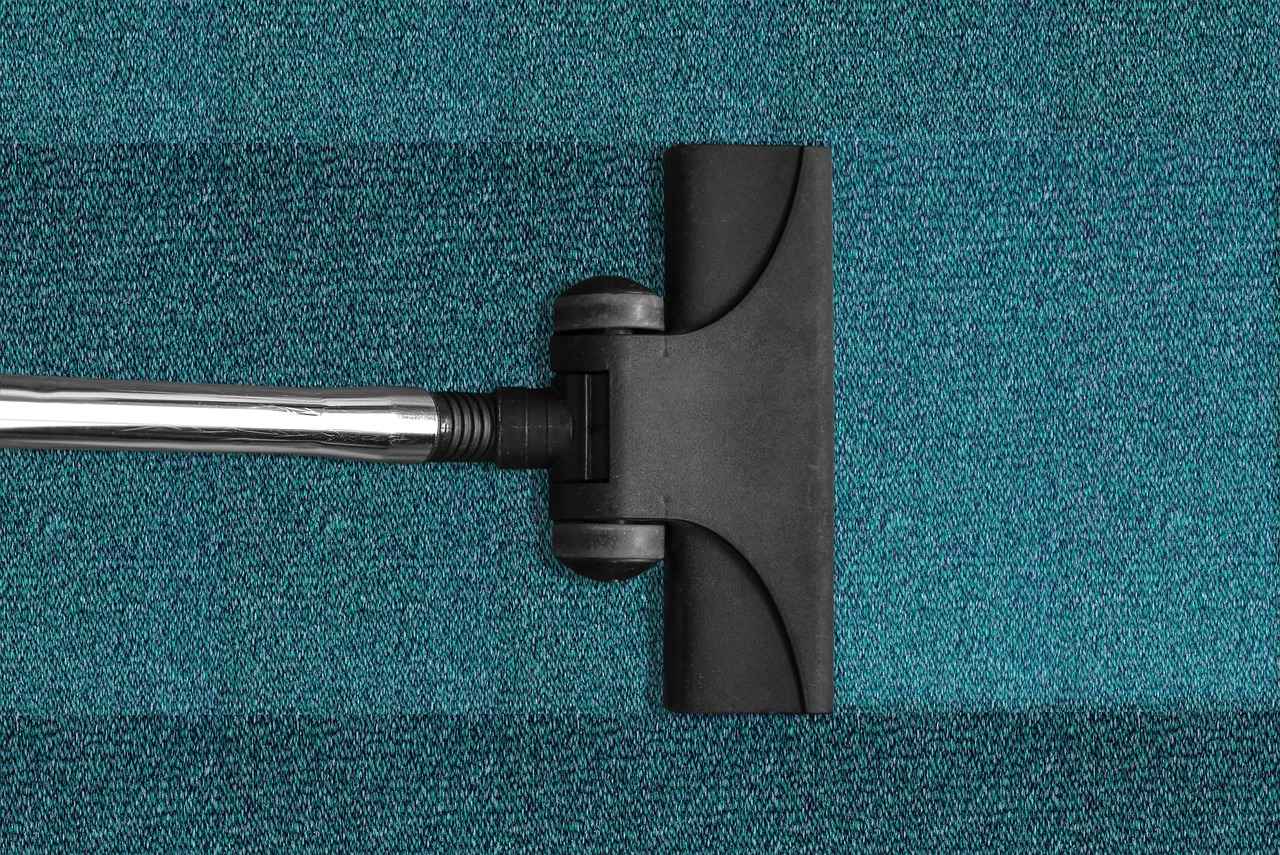
- Vacuum Cleaner: A vacuum cleaner with a hose attachment can help remove dust and debris from the mattress surface, ensuring a thorough clean.
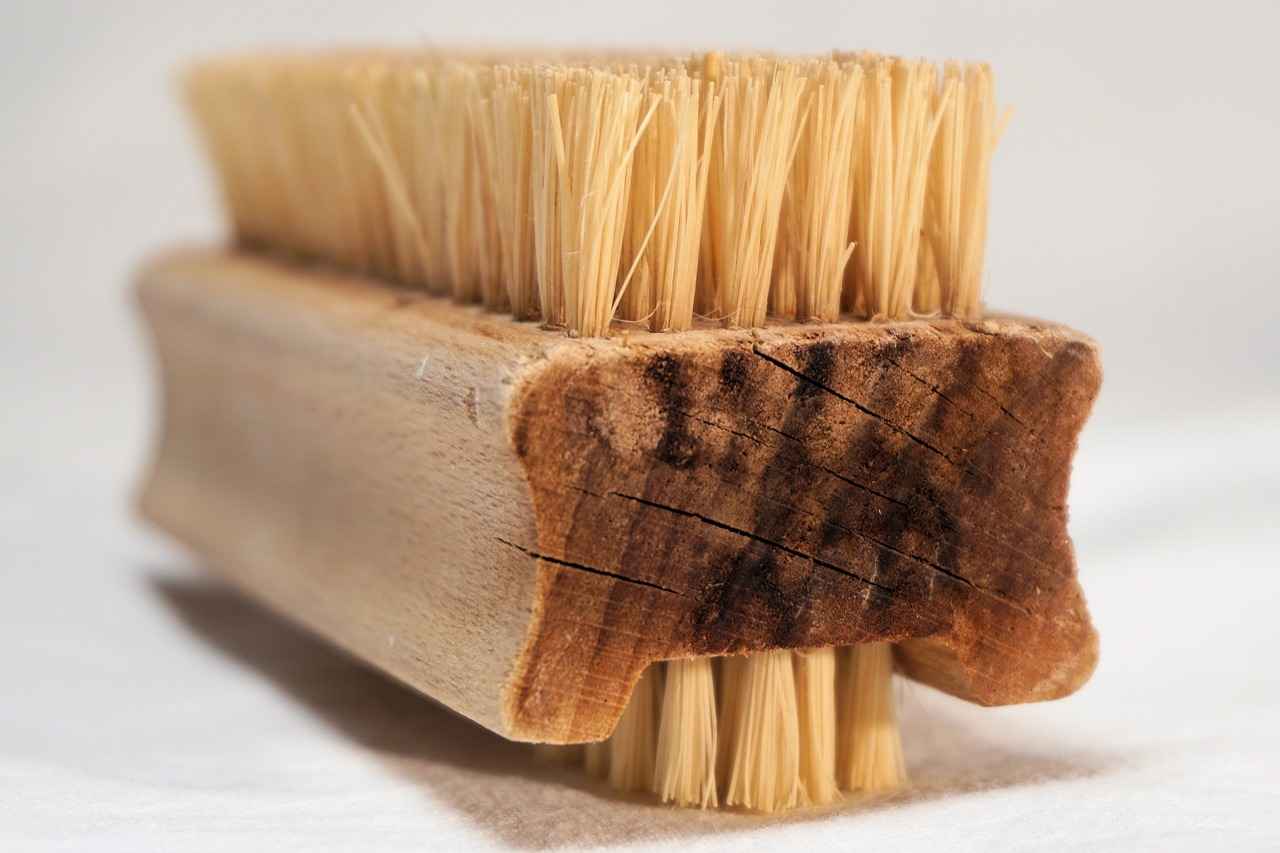
- Brush: A soft-bristled brush can be useful for scrubbing away stubborn stains without damaging the mattress.
- Spray Bottle: This is handy for applying your cleaning solution evenly across the mattress surface.
- Homemade Cleaning Solutions: Mix vinegar and water or baking soda and water to create effective, natural cleaning solutions that can tackle odors and stains.
Having these supplies ready will streamline the cleaning process and help maintain the quality of your air mattress.
Selecting the right cleaning solution is vital to avoid damaging your mattress. Harsh chemicals can degrade the material over time, leading to leaks and reduced lifespan. Always opt for non-toxic and mild soaps, or consider DIY solutions that are both effective and safe.
Before you start cleaning, it’s crucial to prepare your air mattress properly. Here’s how:
- Deflate the Mattress: Ensure the mattress is completely deflated. This not only makes cleaning easier but also prevents any damage to the seams.
- Remove Bedding: Take off all sheets, blankets, and any other accessories. This allows for a comprehensive clean without obstruction.
- Inspect for Damage: Check for any leaks or punctures that may need attention before cleaning.
Once you have gathered your supplies and prepared the mattress, follow these steps for effective cleaning:
- Wipe Down the Surface: Use a soft cloth soaked in your cleaning solution to gently wipe the entire surface of the mattress.
- Focus on Stains: Pay special attention to any stains or spots, using a soft brush if necessary to scrub gently.
- Rinse: After cleaning, use a cloth dampened with plain water to wipe off any soap residue.
By following these steps and using the right supplies, you can ensure your air mattress remains clean, hygienic, and ready for use.
Choosing the Right Cleaning Solution
When it comes to maintaining your air mattress, is essential for preserving its integrity and ensuring a healthy sleeping environment. The materials used in air mattresses can be sensitive, and using harsh chemicals can lead to unwanted damage.
Air mattresses are often made from delicate materials that can degrade with the use of strong detergents or abrasive cleaners. By selecting a gentle cleaning solution, you can avoid issues such as:
- Deterioration of the mattress material
- Discoloration that can affect the appearance
- Compromised seams that lead to leaks
When searching for a cleaning solution, consider the following characteristics:
- Non-toxic ingredients: Ensure that the soap is safe for both you and the environment.
- Mild formulation: Opt for products labeled as gentle or suitable for delicate fabrics.
- No harsh chemicals: Avoid bleach or ammonia-based cleaners that can harm the material.
There are several options available when it comes to cleaning solutions:
- Natural soaps: Look for plant-based soaps that are biodegradable and free from synthetic fragrances.
- Vinegar solution: A mixture of equal parts water and white vinegar can effectively clean without damaging the mattress.
- Baking soda: This can be used to eliminate odors and can be sprinkled on the mattress before vacuuming.
If you prefer a DIY approach, creating your own cleaning solution can be both effective and economical. Here’s a simple recipe:
Ingredients:- 1 cup of white vinegar- 1 cup of water- A few drops of mild dish soapInstructions:1. Mix the ingredients in a spray bottle.2. Spray the solution onto the mattress surface.3. Wipe with a soft cloth.
Once you have chosen your cleaning solution, follow these steps:
- Deflate the mattress completely to allow easy access to all areas.
- Use a soft cloth or sponge to apply the cleaning solution gently, focusing on stains or heavily soiled areas.
- Rinse with a damp cloth to remove any soap residue, ensuring no moisture remains.
In summary, selecting the right cleaning solution for your air mattress is crucial for maintaining its longevity and hygiene. By opting for non-toxic, mild soaps and considering homemade alternatives, you can keep your mattress in excellent condition without risking damage. Regular maintenance with the right products will not only ensure a healthier sleeping surface but also extend the life of your air mattress.
Homemade Cleaning Solutions
Cleaning your air mattress doesn’t have to involve expensive and harsh commercial products. In fact, can be both cost-effective and safe for your sleeping surface. Utilizing common household items not only helps you save money but also ensures a healthier environment for you and your family.
Many commercial cleaners contain chemicals that can irritate the skin and respiratory system. By opting for homemade solutions, you can avoid these risks. Additionally, these natural alternatives are often just as effective at tackling stains and odors, making them a practical choice.
- Vinegar and Water Mixture: Combine equal parts of white vinegar and water in a spray bottle. This solution is excellent for disinfecting and deodorizing your air mattress.
- Baking Soda Paste: Mix baking soda with a small amount of water to create a paste. This can be applied directly to tough stains. Let it sit for a few minutes before wiping it away.
- Essential Oils: Adding a few drops of essential oils, such as lavender or tea tree oil, to your vinegar solution can provide a pleasant scent and additional antibacterial properties.
To effectively utilize these homemade solutions, follow these steps:
- Prepare the Mattress: Start by completely deflating the air mattress and removing any bedding or accessories.
- Apply the Cleaning Solution: Use a soft cloth or sponge to apply your chosen homemade cleaner to the surface of the mattress. Be sure to focus on areas with visible stains.
- Let it Sit: Allow the solution to sit for a few minutes to penetrate the stains and odors.
- Wipe Clean: After letting it sit, use a clean, damp cloth to wipe away the solution, ensuring no residue remains.
Using homemade cleaning solutions offers numerous benefits:
- Cost Savings: Most ingredients are likely already in your pantry, reducing the need for additional purchases.
- Environmentally Friendly: Homemade solutions are often biodegradable and less harmful to the environment.
- Customizable: You can adjust the mixture based on your preferences, adding different scents or properties as needed.
While homemade solutions are generally safe, it’s essential to take some precautions:
- Test First: Before applying any solution, test it on a small, inconspicuous area of the mattress to ensure it does not cause discoloration.
- Ventilation: Ensure the area is well-ventilated while cleaning to avoid inhaling any fumes, even from natural ingredients.
- Storage: Store any leftover cleaning solutions in a labeled container, keeping them out of reach of children and pets.
In conclusion, creating your own cleaning solutions can be an effective and safe way to maintain your air mattress. By using simple ingredients like vinegar and baking soda, you can easily eliminate stains and odors while ensuring a healthy sleeping environment.
Commercial Cleaners vs. DIY Solutions
When it comes to cleaning, you may find yourself torn between using commercial cleaners and opting for DIY solutions. Understanding the pros and cons of each approach can significantly influence your decision, tailored to your specific cleaning needs and preferences.
Commercial cleaners are professionally formulated products designed for various cleaning tasks. They often boast powerful ingredients that promise deep cleaning and quick results. However, they may contain harsh chemicals that can be detrimental to both health and the environment.
- Effectiveness: Commercial cleaners are engineered to tackle tough stains and grime efficiently.
- Convenience: These products are readily available and often come with specific instructions, making them easy to use.
- Variety: There is a wide range of commercial cleaners available, tailored for different surfaces and cleaning needs.
- Health Risks: Many commercial cleaners contain harmful chemicals that can cause respiratory issues or skin irritations.
- Environmental Concerns: The chemicals in these products can be harmful to the environment, contributing to pollution.
- Cost: Regular use of commercial cleaners can become expensive over time.
DIY cleaning solutions utilize common household ingredients to create effective cleaning agents. These solutions are often more cost-effective and environmentally friendly.
- Cost-Effective: Most DIY solutions use ingredients you likely already have at home, reducing costs.
- Eco-Friendly: Many DIY recipes rely on natural ingredients, minimizing environmental impact.
- Customizable: You can easily adjust DIY recipes to suit your specific cleaning needs.
- Effectiveness: Some DIY solutions may not be as powerful as commercial cleaners, especially for tough stains.
- Time-Consuming: Creating your own cleaning solutions can take time, especially if you need to research recipes.
- Inconsistency: Results can vary based on the ingredients and proportions used.
When deciding between commercial cleaners and DIY solutions, consider the following:
- Your Cleaning Needs: Assess the type of cleaning required. For heavy-duty tasks, commercial products may be more effective.
- Health and Safety: If you have allergies or sensitivities, DIY solutions may be a safer option.
- Environmental Impact: Consider the ecological footprint of the products you choose.
Ultimately, the choice between commercial cleaners and DIY solutions comes down to your individual preferences and circumstances. By weighing the pros and cons of each option, you can make an informed decision that aligns with your values and cleaning requirements.
Preparing Your Air Mattress for Cleaning
Cleaning your air mattress is a crucial task to ensure its longevity and maintain a healthy sleeping environment. Proper preparation is essential before diving into the cleaning process. One of the first steps is to deflate the mattress completely. This not only makes it easier to handle but also prevents potential damage to the seams and material during cleaning.
Deflating the mattress allows you to access every part of its surface. When the mattress is inflated, certain areas may be difficult to reach, making it challenging to clean thoroughly. Moreover, a deflated mattress is lighter and more manageable, making the cleaning process smoother.
Before you start cleaning, ensure that you remove all bedding, pillows, and accessories from the air mattress. This step is vital as it allows you to focus solely on the mattress itself. By removing these items, you can prevent any accidental spills or stains during the cleaning process. Additionally, it ensures that you can clean the entire surface without obstruction.
Having the right supplies on hand will make the cleaning process more efficient. Common items you will need include:
- Mild soap or a gentle cleaning solution
- Soft cloths or sponges for wiping
- Warm water for mixing with soap
- Vacuum cleaner for removing dust and debris
By preparing these supplies beforehand, you can streamline the cleaning process and ensure that you have everything you need at your disposal.
Prior to cleaning, it’s wise to inspect the air mattress for any signs of damage, such as leaks or punctures. Identifying these issues early can save you from further complications down the line. If you notice any damage, consider patching it up before you begin the cleaning process.
When it comes to cleaning solutions, it’s crucial to select a gentle, non-toxic option. Harsh chemicals can damage the material of the air mattress, leading to discoloration or deterioration. A simple mixture of warm water and mild soap is often effective for general cleaning. For tougher stains, consider using a solution of vinegar and water, which is both safe and effective.
Establishing a regular cleaning routine for your air mattress can significantly enhance its lifespan. Aim to clean your mattress every few months or more frequently if it’s used regularly. Consistency is key to maintaining a hygienic sleeping surface.
In conclusion, preparing your air mattress for cleaning involves deflating it, removing any bedding, gathering the right supplies, inspecting for damage, and choosing a suitable cleaning solution. Following these steps will ensure a thorough and effective cleaning process, ultimately contributing to the longevity and hygiene of your air mattress.
How to Clean Your Air Mattress Step-by-Step
Cleaning your air mattress is essential for maintaining its hygiene and extending its lifespan. A systematic approach to cleaning will yield the best results. Here’s a detailed step-by-step guide to ensure your mattress is spotless.
Following a methodical cleaning process is crucial for achieving optimal results. Here’s how to do it:
- Mild soap or a gentle cleaning solution
- Soft cloths or sponges
- Vacuum cleaner for dust removal
- Spray bottle for homemade solutions
Start by deflating the air mattress entirely. This step is crucial as it allows for easier handling and prevents damage to the seams during cleaning.
Take off all bedding, pillows, and any accessories. This ensures a thorough cleaning process and prevents any items from getting wet or dirty.
Using a vacuum cleaner, remove any dust, dirt, or debris from the surface of the mattress. This step is essential for eliminating allergens and preparing the surface for deeper cleaning.
You can use a store-bought cleaner or create a homemade solution. A mixture of equal parts water and vinegar or a few tablespoons of baking soda dissolved in water can effectively tackle stains and odors.
Using a soft cloth or sponge, apply your cleaning solution to the surface of the mattress. Gently wipe down the entire area, paying special attention to any stains or spots. Avoid using abrasive materials that may scratch or damage the surface.
After cleaning, use a damp cloth with plain water to wipe off any soap residue. It’s important to ensure no cleaning solution remains, as this can lead to irritation during use.
Proper drying techniques are crucial to prevent mold and mildew. Air drying is the safest method. Lay the mattress flat in a well-ventilated area, or hang it up if possible. If you must use a machine, opt for a low-heat setting.
After drying, always check for any residual moisture. This step is essential to ensure the mattress is completely dry before storing it away or using it again.
Once the mattress is clean and dry, store it in a cool, dry place. Avoid folding it tightly to prevent creases or damage to the material.
By following these steps, you can maintain a clean and hygienic air mattress, ensuring a comfortable sleeping experience every time you use it.
Deflating the Mattress
When it comes to cleaning your air mattress, one of the most critical steps is the process of deflating it completely. This essential action not only simplifies the cleaning procedure but also helps in maintaining the integrity of the mattress. In this section, we will explore the importance of properly deflating your mattress and the best practices to follow.
Deflating your air mattress is crucial for several reasons:
- Ease of Cleaning: A deflated mattress lies flat, allowing you to access every inch of its surface without the hindrance of air pockets. This ensures a thorough cleaning process.
- Preventing Damage: Keeping the mattress inflated during cleaning can lead to unnecessary strain on the seams and material. By fully deflating, you reduce the risk of tears or punctures.
- Storage Efficiency: Once cleaned, a deflated mattress takes up less space, making it easier to store away until the next use.
Deflating your air mattress is a straightforward process. Follow these steps for effective deflation:
- Locate the Valve: Find the air valve, which is typically located at one end of the mattress.
- Open the Valve: Twist or pull the valve to open it, allowing air to escape. Make sure you are in a well-ventilated area to facilitate airflow.
- Press Down on the Mattress: As the air begins to escape, gently press down on the mattress to help release trapped air. This will speed up the deflation process.
- Ensure Complete Deflation: Continue pressing until you can no longer hear air escaping. This ensures that the mattress is entirely flat and ready for cleaning.
Once your air mattress is fully deflated, you can proceed with the cleaning process. Here are some tips to keep in mind:
- Remove Bedding and Accessories: Take off any sheets, pillows, or additional items to prevent them from getting wet or soiled during cleaning.
- Inspect for Damage: Take this opportunity to check for any leaks or punctures. Early detection can save you from more significant issues down the line.
- Prepare Your Cleaning Supplies: Gather your cleaning solution, soft cloths, and any other supplies you need to ensure a thorough and effective cleaning.
Cleaning your air mattress regularly not only enhances its lifespan but also contributes to a healthier sleeping environment. A clean mattress minimizes allergens, dust mites, and bacteria, ensuring a safe and comfortable sleep experience. By following the proper deflation and cleaning procedures, you can maintain your mattress in excellent condition for years to come.
In summary, deflating your air mattress is a vital first step in the cleaning process. It prepares the mattress for a thorough clean while also protecting its material and seams. By following the steps outlined above, you can ensure that your air mattress remains in optimal condition, providing you with a comfortable sleeping surface whenever you need it.
Wiping Down the Surface
When it comes to maintaining your air mattress, one of the most crucial steps is . This not only helps in keeping the mattress clean but also extends its lifespan. Here’s a detailed guide on how to effectively wipe down your air mattress.
Regularly wiping down your air mattress is vital for several reasons:
- Hygiene: It prevents the accumulation of dust mites, allergens, and bacteria.
- Longevity: Keeping the surface clean helps maintain the material’s integrity.
- Comfort: A clean surface enhances your overall sleeping experience.
Before you begin, gather the following supplies:
- A soft cloth: Microfiber cloths are ideal as they are gentle on the surface.
- Your chosen cleaning solution: A mild soap mixed with water or a homemade vinegar solution works well.
- A vacuum cleaner: For an initial dust removal before wiping.
Follow these steps for an effective cleaning process:
- Deflate the Mattress: Ensure the mattress is completely deflated before cleaning. This allows for easier access to all areas.
- Vacuum the Surface: Use a vacuum cleaner to remove any loose dirt or debris. This step is essential to avoid scratching the surface while wiping.
- Prepare Your Cleaning Solution: Mix a small amount of mild soap with warm water or use a vinegar-water solution. Avoid harsh chemicals that can damage the material.
- Wipe Down the Surface: Dampen your soft cloth with the cleaning solution and gently wipe the entire surface of the mattress. Pay special attention to any stains or spots that may require extra care.
- Rinse the Cloth: After wiping, rinse the cloth in clean water, wring it out, and wipe the mattress again to remove any soap residue.
- Dry the Surface: Allow the mattress to air dry completely before using it again. This helps prevent mold and mildew growth.
To ensure you clean effectively, avoid these common pitfalls:
- Using harsh chemicals: They can degrade the material of your mattress.
- Skipping the vacuuming step: This can lead to dirt being ground into the surface during wiping.
- Not checking for damage: Always inspect your mattress for leaks or punctures before cleaning.
It’s recommended to wipe down your air mattress every few months, or more frequently if it’s used regularly or exposed to spills. Regular cleaning not only maintains hygiene but also keeps your mattress looking new.
By following these steps and tips, you can ensure that your air mattress remains clean and comfortable for years to come. Remember, a well-maintained mattress contributes significantly to a good night’s sleep.

How to Dry Your Air Mattress Properly?
Drying your air mattress properly is essential to maintain its integrity and hygiene. Improper drying can lead to the growth of mold and mildew, which can compromise your health and the lifespan of the mattress. Here are some effective methods to ensure your air mattress dries thoroughly after cleaning.
When you clean your air mattress, it’s crucial to remove all moisture. Mold and mildew thrive in damp environments, and if your mattress retains moisture, it can develop unpleasant odors and health risks. Ensuring a thorough drying process is vital to keep your sleeping surface fresh and safe.
- Air Drying: The safest method for drying your air mattress is to air dry it outdoors. Place the mattress in a well-ventilated area, preferably under direct sunlight. The sun’s UV rays help eliminate bacteria and odors.
- Using Fans: If outdoor drying isn’t an option, set up fans around the mattress to improve air circulation. This can significantly reduce drying time and help eliminate moisture.
- Indoor Drying: If drying indoors, ensure the room is well-ventilated. Open windows and doors to promote airflow, and consider using a dehumidifier to absorb excess moisture.
While drying your air mattress, there are several practices you should avoid:
- Avoid Machine Drying: Using a dryer can damage the materials of your air mattress, leading to tears or loss of shape.
- Don’t Rush the Process: Ensure that the mattress is completely dry before rolling it up or storing it. Rushing can lead to moisture retention, which can cause mold growth.
After the drying process, it’s essential to check for any residual moisture. Here’s how:
- Touch Test: Run your hand over the surface of the mattress. If it feels cool or damp, it needs more drying time.
- Smell Test: A musty odor can indicate moisture presence. If you detect any odor, allow additional drying time.
Once your air mattress is completely dry, store it properly to maintain its condition:
- Roll It Up: Avoid folding the mattress, as this can create creases and weaken the seams. Roll it up gently to maintain its shape.
- Use a Storage Bag: Keep your mattress in a breathable storage bag to protect it from dust and moisture during storage.
By following these proper drying techniques, you can ensure your air mattress remains in excellent condition and ready for use whenever needed. Regular maintenance and careful drying practices will help extend the life of your mattress, providing you with a comfortable and hygienic sleeping surface.
Air Drying vs. Machine Drying
When it comes to drying your air mattress, understanding the best methods is crucial to maintaining its quality and longevity. Two common drying techniques are air drying and machine drying, each with distinct advantages and disadvantages. This article will delve into these methods, helping you make an informed decision to protect your investment.
Air drying is widely regarded as the safest method for drying an air mattress. This technique involves laying the mattress flat in a well-ventilated area, allowing natural airflow to remove moisture. Here are some key benefits:
- Prevents Damage: Air drying minimizes the risk of heat exposure that can warp or damage the materials of your mattress.
- Mold Prevention: By allowing the mattress to dry completely, you reduce the risk of mold and mildew growth.
- Cost-Effective: This method requires no additional resources, making it an economical choice.
While machine drying may seem like a quick solution, it comes with significant risks. Here are some reasons to be cautious:
- Heat Damage: The high temperatures in dryers can cause the seams to weaken or the material to shrink, leading to irreversible damage.
- Loss of Shape: Machine drying can distort the shape of your air mattress, affecting its comfort and usability.
- Warranty Issues: Many manufacturers recommend against machine drying, and doing so may void your warranty.
To maximize the effectiveness of air drying, follow these best practices:
- Choose the Right Location: Find a dry, sunny spot with good airflow. Avoid damp or enclosed spaces to prevent moisture buildup.
- Lay Flat: Ensure the mattress is laid flat to allow even drying. Avoid folding or stacking to prevent trapped moisture.
- Turn Occasionally: If possible, flip the mattress periodically to ensure all sides receive equal exposure to air.
If you must use a machine dryer, take precautions to minimize potential damage:
- Low Heat Setting: Always use the lowest heat setting available to reduce the risk of damage.
- Short Intervals: Dry in short intervals, checking frequently to avoid overheating.
- Use a Drying Rack: If available, use a drying rack instead of a tumble dryer to allow air circulation while gently removing moisture.
In summary, while both air drying and machine drying are options for drying your air mattress, air drying is the safest and most effective method to protect your investment. By understanding the risks associated with machine drying and following best practices for air drying, you can ensure your air mattress remains in excellent condition for years to come. Regular maintenance and proper drying techniques will enhance your sleeping experience while prolonging the lifespan of your mattress.
Checking for Residual Moisture
When it comes to maintaining your air mattress, one of the most critical steps is after cleaning and drying. This process is essential to ensure that your mattress is not only clean but also safe for storage or immediate use.
Residual moisture can lead to a variety of problems, including the growth of mold and mildew, which can compromise the integrity of the mattress and pose health risks. These fungi thrive in damp environments, and if your air mattress retains moisture, it may become a breeding ground for allergens and bacteria.
To ensure your air mattress is completely dry, follow these steps:
- Visual Inspection: Start by visually inspecting the entire surface of the mattress. Look for any signs of dampness or discoloration.
- Touch Test: Run your hand over the surface. If it feels cool or damp, it is likely that moisture is still present.
- Smell Test: A musty odor can indicate trapped moisture. If you detect this smell, further drying is necessary.
If you discover any moisture, it’s crucial to take immediate action:
- Air Dry: Place the mattress in a well-ventilated area, preferably outdoors, to allow it to air dry completely.
- Use a Fan: Position a fan nearby to enhance airflow, which will help speed up the drying process.
- Recheck: After a few hours, repeat the inspection process to ensure that all moisture has evaporated.
To avoid dealing with residual moisture in the future, consider the following tips:
- Drying Location: Always dry your mattress in a location that has good air circulation. Avoid damp basements or enclosed spaces.
- Use Towels: After cleaning, use dry towels to blot excess moisture before air drying.
- Store Properly: When storing your air mattress, ensure it’s completely dry and consider using a breathable storage bag to prevent moisture buildup.
Checking for residual moisture is a simple yet vital step in maintaining your air mattress. By ensuring that your mattress is completely dry, you can extend its lifespan and create a healthier sleeping environment. Regular inspections and proper drying techniques will go a long way in keeping your air mattress in optimal condition.

Tips for Maintaining Your Air Mattress
Maintaining an air mattress is essential for ensuring its longevity and comfort. With proper care, your air mattress can last for many years, providing a reliable sleeping surface for guests or outdoor adventures. Below are some practical tips that will help you keep your air mattress in optimal condition.
Regular maintenance not only prolongs the lifespan of your air mattress but also ensures a healthier sleeping environment. Dust mites, allergens, and bacteria can accumulate over time, leading to hygiene issues. By following a consistent maintenance routine, you can prevent these problems and enjoy a clean, comfortable mattress.
- Check for Leaks: Regularly inspect your air mattress for any leaks or punctures. A simple way to do this is by inflating the mattress and listening for hissing sounds. You can also apply soapy water to the seams and look for bubbles.
- Inspect for Wear and Tear: Look for any signs of wear, such as frayed edges or weak spots. Addressing these issues early can prevent more significant problems down the line.
Investing in a mattress protector is one of the best decisions you can make for your air mattress. A quality protector will shield your mattress from spills, stains, and general wear. This not only makes cleaning easier but also helps maintain the integrity of the mattress material.
When not in use, proper storage of your air mattress is crucial. Here are some key points to consider:
- Deflate Completely: Always deflate your air mattress completely before storing it. This prevents creasing and damage to the seams.
- Store in a Cool, Dry Place: Avoid storing your mattress in damp or humid areas, as this can lead to mold and mildew growth. A cool, dry closet is ideal.
- Avoid Sharp Objects: Ensure that the storage area is free from sharp objects that could puncture the mattress.
Cleaning is a vital part of maintenance. Here are some tips for effective cleaning:
- Use Mild Detergents: When cleaning, opt for mild, non-toxic detergents to avoid damaging the material. Harsh chemicals can lead to deterioration over time.
- Spot Clean Stains: For any stains, use a soft cloth with a cleaning solution to gently wipe the affected area. Avoid soaking the mattress.
It’s a good idea to perform a thorough maintenance check at the start of each season. This ensures that your air mattress is ready for use, whether for summer camping trips or winter guest visits. During these checks, repeat the inspection for leaks, wear and tear, and ensure it is clean and dry.
By following these maintenance tips, you can significantly extend the life of your air mattress. Regular inspections, proper storage, and cleaning will keep your mattress in excellent condition, ensuring a comfortable sleeping experience whenever you need it. Taking these simple steps will not only preserve your investment but also enhance your overall sleeping environment.
Regular Inspections for Damage
When it comes to maintaining your air mattress, play a crucial role in ensuring its longevity and functionality. By conducting these inspections, you can identify potential issues such as leaks or punctures early on, preventing them from escalating into more serious problems.
Regular inspections are vital for several reasons:
- Early Detection: Identifying small leaks or punctures early can save you from the hassle of dealing with a completely deflated mattress in the middle of the night.
- Cost-Effective: Addressing minor issues promptly can prevent costly repairs or the need for a complete replacement.
- Maintaining Comfort: A well-maintained mattress ensures a comfortable sleeping experience, free from unexpected deflation.
To ensure that your air mattress remains in optimal condition, follow these steps during your inspection:
- Visual Check: Examine the entire surface of the mattress for any visible signs of wear, such as small tears or punctures.
- Feel for Air Leaks: Run your hands over the surface to detect any areas where air may be escaping. Pay close attention to seams and valves.
- Inflate and Listen: Inflate the mattress fully and listen carefully for any hissing sounds that may indicate a leak.
- Water Test: If you suspect a leak, apply soapy water to the area. Bubbles will form at the site of any punctures.
If your inspection reveals any damage, it’s essential to act quickly:
- Patch Kits: Invest in a high-quality patch kit designed specifically for air mattresses. Follow the instructions carefully to ensure a proper seal.
- Sealant Application: For small leaks, a sealant can be applied to the damaged area. Ensure the surface is clean and dry before application.
- Professional Repair: If the damage is extensive or you’re unsure how to proceed, consider seeking professional repair services.
It’s recommended to conduct these inspections at least once every few months, or more frequently if the mattress is used regularly. Additionally, always inspect the mattress before and after any significant use, such as camping trips or guest visits.
Alongside regular inspections, consider these maintenance tips for your air mattress:
- Keep It Clean: Regularly clean the surface to prevent the buildup of dirt and allergens.
- Store Properly: When not in use, store your mattress in a cool, dry place to avoid damage from moisture and temperature extremes.
- Use a Mattress Protector: A protector can help shield against spills and dirt, reducing the need for frequent inspections.
In conclusion, regular inspections are a key component of air mattress maintenance. By taking the time to check for damage and addressing issues promptly, you can extend the life of your mattress and ensure a comfortable sleeping experience.
Using a Mattress Protector
When it comes to maintaining the quality and longevity of your air mattress, is a smart investment. A mattress protector serves as a barrier against various hazards that can compromise your sleeping surface. From accidental spills to daily wear and tear, this protective layer can significantly enhance your mattress’s lifespan.
- Protection Against Spills: Whether it’s a late-night drink or a playful pet, accidents happen. A mattress protector can shield your air mattress from unwanted spills, making cleanup a breeze.
- Stain Resistance: Over time, stains can become permanent if not addressed promptly. A mattress protector acts as a first line of defense, preventing stains from setting in.
- Ease of Cleaning: Most mattress protectors are machine washable, allowing for easy maintenance. This means you can keep your sleeping surface fresh without much effort.
- Extended Lifespan: By safeguarding your mattress from wear and tear, a protector can help you get more years out of your investment, ultimately saving you money in the long run.
- Allergen Protection: Many mattress protectors are designed to be hypoallergenic, preventing dust mites and allergens from accumulating, which is especially beneficial for allergy sufferers.
A mattress protector typically consists of a waterproof layer that prevents liquids from penetrating the mattress. This layer is often combined with breathable materials to ensure comfort. The protector fits snugly over your air mattress, providing both protection and comfort.
When selecting a mattress protector, consider the following factors:
- Material: Look for breathable fabrics that allow air circulation while providing waterproof capabilities.
- Fit: Ensure the protector is compatible with your air mattress size and type for optimal protection.
- Ease of Care: Choose a protector that is machine washable and easy to maintain.
Installing a mattress protector is a straightforward process. Simply place it over your deflated air mattress before inflating. Ensure it fits tightly to avoid slipping. For maintenance, wash the protector regularly according to the manufacturer’s instructions to keep it in top condition.
- They Make the Mattress Uncomfortable: Many modern protectors are designed to be soft and breathable, ensuring comfort is not sacrificed for protection.
- They Are Only for Children or Pets: While they are beneficial in households with kids or pets, everyone can benefit from the added protection a mattress protector provides.
In summary, investing in a mattress protector is a proactive step in maintaining your air mattress. It not only protects against spills and stains but also contributes to a healthier sleeping environment. With various options available, finding the right protector for your needs can enhance your overall sleep experience.
Frequently Asked Questions
- How often should I clean my air mattress?
It’s recommended to clean your air mattress at least once every few months, or more frequently if it sees heavy use. Regular cleaning helps maintain hygiene and prolongs its lifespan.
- Can I use bleach to clean my air mattress?
No, using bleach can damage the material of your air mattress. Stick to mild soaps or homemade solutions like vinegar and water for safe cleaning.
- What should I do if my air mattress has a leak?
If you suspect a leak, conduct a thorough inspection to locate it. You can use a patch kit specifically designed for air mattresses to fix small punctures.
- Is it safe to machine dry my air mattress?
Machine drying is generally not recommended as it can damage the mattress. Air drying is the safest method to ensure it retains its shape and integrity.
- How can I prevent mold on my air mattress?
To prevent mold, ensure your air mattress is completely dry before storing it. Using a mattress protector can also help keep moisture and spills at bay.