

This article serves as a comprehensive guide on effectively cleaning oil off brake pads using lacquer thinner. Keeping your braking system in optimal condition is crucial for safety and performance. Oil contamination can significantly impair the functionality of brake pads, leading to reduced braking efficiency and potential safety hazards.
Lacquer thinner is an excellent choice for cleaning brake pads due to its strong solvent properties. It effectively dissolves oil, grease, and grime, making it easier to restore the brake pads to their original condition. Additionally, lacquer thinner evaporates quickly, leaving minimal residue, which is essential for maintaining brake pad performance.
Before starting the cleaning process, gather the necessary materials to ensure a smooth operation. Here’s a list of essential items:
- Lacquer Thinner – the primary cleaning agent.
- Brushes – for scrubbing the brake pads.
- Rags – for wiping and drying.
- Containers – to hold lacquer thinner safely.
- Gloves – to protect your hands.
- Goggles – to shield your eyes from splashes.
- Mask – to prevent inhalation of fumes.
Follow these steps to effectively clean your brake pads:
Start by removing the brake pads from your vehicle. Inspect them for any signs of damage or excessive wear. This is crucial as damaged pads should not be reused.
In a well-ventilated area, pour a small amount of lacquer thinner into a container. Use a brush to apply the thinner directly onto the contaminated areas of the brake pads. Scrub gently but thoroughly, ensuring that you cover all surfaces where oil has accumulated. Be cautious not to apply too much pressure, as this can damage the pads.
Once you have cleaned the brake pads, proper aftercare is essential. Here’s what to do:
After cleaning, examine the brake pads closely for any remaining oil or signs of wear. This step is vital to ensure that the pads are safe for reinstallation.
When reinstalling the brake pads, follow the manufacturer’s guidelines closely. Ensure that all components are properly aligned and secured. Double-check that no tools or materials are left in the brake assembly.
In conclusion, cleaning brake pads with lacquer thinner is a straightforward process that can significantly enhance the performance and longevity of your braking system. By following the steps outlined in this guide, you can ensure that your brake pads remain effective and safe for use.
Why Use Lacquer Thinner for Brake Pad Cleaning?
When it comes to maintaining your vehicle, ensuring that your brake pads are free from oil and grime is crucial for optimal performance. One effective solution for this task is lacquer thinner. But why should you consider using lacquer thinner for brake pad cleaning? This article delves into the numerous benefits of lacquer thinner, highlighting its effectiveness in enhancing your braking system’s performance and longevity.
Understanding the benefits of lacquer thinner can significantly improve your appreciation for its cleaning capabilities. Here are some key reasons:
- Powerful Solvent Properties: Lacquer thinner is renowned for its ability to dissolve oils, grease, and grime. Its potent solvent action ensures that even the toughest residues are effectively removed from brake pads.
- Fast Evaporation Rate: One of the standout features of lacquer thinner is its rapid evaporation. This means that after application, it dries quickly, allowing for a faster turnaround in your maintenance routine.
- Cost-Effective Solution: Compared to specialized brake cleaning products, lacquer thinner is often more affordable and readily available, making it a practical choice for DIY enthusiasts.
- Versatile Use: Beyond brake pads, lacquer thinner can be used for various cleaning tasks in automotive maintenance, making it a versatile addition to your toolkit.
Using lacquer thinner not only cleans your brake pads but also contributes to better braking performance. When brake pads are free from contaminants, they can grip the rotors more effectively, leading to shorter stopping distances and improved safety. Additionally, clean brake pads experience less wear and tear, enhancing their longevity.
Moreover, the effective removal of oil and grime can prevent brake fade, a condition that occurs when brakes overheat and lose effectiveness. By maintaining clean brake pads, you ensure that your vehicle’s braking system operates at its best, providing peace of mind during your drives.
However, it’s essential to use lacquer thinner responsibly. Always ensure proper ventilation when using this solvent, as the fumes can be harmful if inhaled. Wearing appropriate safety gear, such as gloves and goggles, is also recommended to protect yourself during the cleaning process.
In summary, the use of lacquer thinner for cleaning brake pads offers numerous benefits that enhance both safety and performance. Its powerful cleaning properties, quick evaporation, and cost-effectiveness make it an excellent choice for anyone looking to maintain their vehicle’s braking system.
What You Need for the Cleaning Process
Cleaning brake pads effectively is an essential task for maintaining vehicle safety and performance. In this section, we will explore , focusing on the crucial materials and equipment required to clean brake pads with lacquer thinner.
Gathering the right materials is crucial for a successful cleaning. Below is a detailed list of essential tools and safety gear required for cleaning brake pads with lacquer thinner:
- Safety Gear: Protecting yourself is the first step in any cleaning process. Ensure you have the following:
- Safety Goggles: To shield your eyes from harmful fumes and splashes.
- Gloves: Chemical-resistant gloves to prevent skin contact with lacquer thinner.
- Respirator Mask: To avoid inhaling toxic vapors during the cleaning process.
- Essential Tools: The right tools can make the job easier and more effective. Consider including:
- Brushes: A variety of brushes (soft and stiff bristle) for scrubbing the brake pads.
- Containers: Use a chemical-resistant container for holding lacquer thinner and soaking the pads.
- Rags: Clean, lint-free rags for wiping down the brake pads after cleaning.
- Scraper: A plastic scraper can help remove stubborn residue without damaging the pads.
- Cleaning Supplies: In addition to lacquer thinner, gather the following supplies:
- Lacquer Thinner: A high-quality lacquer thinner is essential for dissolving oil and grime.
- Soaking Solution: Prepare a solution of lacquer thinner in a container for soaking the brake pads.
By ensuring you have all these materials ready before starting the cleaning process, you can work efficiently and safely. Remember, proper preparation is key to achieving the best results when cleaning brake pads with lacquer thinner.
In the next sections, we will delve into the specific steps for cleaning brake pads, applying lacquer thinner correctly, and ensuring optimal performance after the cleaning process. Stay tuned for expert tips and detailed guidance!
Essential Tools for the Job
Having the correct tools can significantly enhance the efficiency and effectiveness of your cleaning process when dealing with brake pads. Using the right equipment not only makes the task smoother but also ensures that you can handle potentially hazardous materials like lacquer thinner safely. Below is a comprehensive list of essential tools and supplies you will need:
- Brushes: Various types of brushes, including stiff-bristle brushes for scrubbing away tough grime and soft-bristle brushes for delicate areas, are crucial. They help in effectively removing oil without damaging the brake pad material.
- Gloves: Protect your hands from harsh chemicals by wearing disposable nitrile gloves. These gloves provide a barrier against skin irritation and chemical burns when handling lacquer thinner.
- Containers: Use spill-proof containers to safely hold lacquer thinner. This prevents accidental spills and ensures safe storage of the chemical when not in use.
- Rags: Keep a supply of lint-free rags handy. These are essential for wiping away excess lacquer thinner and oil from the brake pads without leaving behind residue.
- Safety Goggles: Protect your eyes from splashes and fumes by wearing safety goggles. This is especially important when working with volatile solvents like lacquer thinner.
- Face Mask: To avoid inhaling harmful fumes, use a respirator mask or a mask rated for organic vapors. This will help you breathe safely while working in less-than-ideal ventilation conditions.
- Drop Cloth: Lay down a drop cloth to protect your workspace from spills. This will make cleanup easier and prevent damage to your garage floor or driveway.
Using these tools not only facilitates a more efficient cleaning process but also enhances your safety. Remember, effective cleaning of brake pads is not just about removing oil; it’s about maintaining the integrity of the braking system for optimal performance.
When you gather these essential tools, you set yourself up for success in cleaning your brake pads effectively and safely. Always prioritize safety and take your time to ensure that each step is performed correctly, leading to the best results.
Safety Gear: Protecting Yourself
When it comes to cleaning brake pads with lacquer thinner, ensuring your safety is paramount. The process involves handling chemicals that can be harmful if proper precautions are not taken. Therefore, wearing appropriate safety gear is not just a suggestion; it is a necessity.
The primary safety gear you should consider includes:
- Goggles: Protect your eyes from splashes and harmful fumes. Lacquer thinner emits strong vapors that can irritate the eyes.
- Gloves: Use chemical-resistant gloves to prevent skin contact. Lacquer thinner can cause skin irritation and absorb through the skin, leading to potential health risks.
- Respirator Masks: A mask designed to filter out organic vapors is essential. This will help prevent inhalation of the toxic fumes released during the cleaning process.
In addition to these essentials, consider wearing a protective apron or old clothing that you don’t mind getting stained. Lacquer thinner can damage clothing and skin, so it’s wise to cover up as much as possible.
Furthermore, ensure that you work in a well-ventilated area. This will help dissipate any harmful fumes and reduce the risk of inhalation. If possible, perform the cleaning outdoors or in a garage with open doors and windows.
It’s also beneficial to have a first aid kit nearby. In case of accidental exposure, having basic medical supplies can be crucial. Familiarize yourself with the first aid measures for chemical exposure, such as rinsing affected skin or eyes with water.
By taking these precautions seriously, you can significantly reduce the risks associated with using lacquer thinner. Always remember that your safety is the top priority when engaging in any DIY cleaning project, especially when dealing with strong solvents.
Cleaning Supplies: What to Prepare
When it comes to cleaning oil off brake pads, having the right cleaning supplies is essential for achieving effective results. While lacquer thinner is an excellent solvent for breaking down oils and grime, the tools and materials you use alongside it play a crucial role in the cleaning process. Below is a detailed guide on what you need to prepare for a successful brake pad cleaning.
- Lacquer Thinner: This is your primary cleaning agent. It effectively dissolves oil and grease, making it easier to clean brake pads.
- Rags: Soft, absorbent rags are essential for wiping down the brake pads and removing excess oil. Choose lint-free rags to avoid leaving fibers behind.
- Brushes: A variety of brushes, such as nylon or bristle brushes, can help scrub away stubborn grime. Make sure to select brushes that are firm yet gentle enough to avoid damaging the brake pad surface.
- Containers: Use containers to hold lacquer thinner and to safely dispose of used rags. This helps in managing spills and maintaining a clean workspace.
- Protective Gear: Safety should always come first. Equip yourself with gloves, goggles, and a mask to protect against harmful fumes and skin contact.
By preparing these essential supplies, you can ensure a smooth and efficient cleaning process. Here’s a closer look at each item:
- Lacquer Thinner: This solvent is not only effective but also quick-drying, allowing for faster cleaning. However, it’s important to use it in a well-ventilated area to minimize exposure to fumes.
- Rags: Opt for multiple rags, as you’ll likely need several during the cleaning process. They can be used for different stages, such as initial wiping and final touch-ups.
- Brushes: Consider having brushes of different sizes. A small brush can reach tight areas, while a larger brush can cover more surface area quickly.
- Containers: A shallow container works best for soaking rags in lacquer thinner. Make sure it has a secure lid to prevent evaporation and accidental spills.
- Protective Gear: Investing in high-quality protective gear is crucial. Look for gloves that are resistant to chemicals and goggles that provide a tight seal around your eyes.
With these supplies in hand, you’re well on your way to effectively cleaning oil off your brake pads. The right tools not only enhance your cleaning efficiency but also ensure your safety during the process. As you prepare to dive into the cleaning, remember that a little preparation can go a long way in achieving optimal results.

Where to Use Lacquer Thinner Effectively
When it comes to cleaning brake pads, knowing the right areas to apply lacquer thinner can significantly enhance the cleaning process. This is crucial for ensuring optimal braking performance and longevity of your brake pads. Here are some key areas to focus on:
- Contact Surfaces: The most important area to target is the contact surface of the brake pads. This is where oil and grime tend to accumulate the most, affecting the friction needed for effective braking. Apply lacquer thinner directly to these surfaces and use a brush to gently scrub away any residue.
- Backing Plates: The backing plates of the brake pads can also collect oil and dirt. These areas may not be in direct contact with the rotor, but they can still impact overall performance. Make sure to clean these thoroughly to prevent any buildup that could lead to uneven wear.
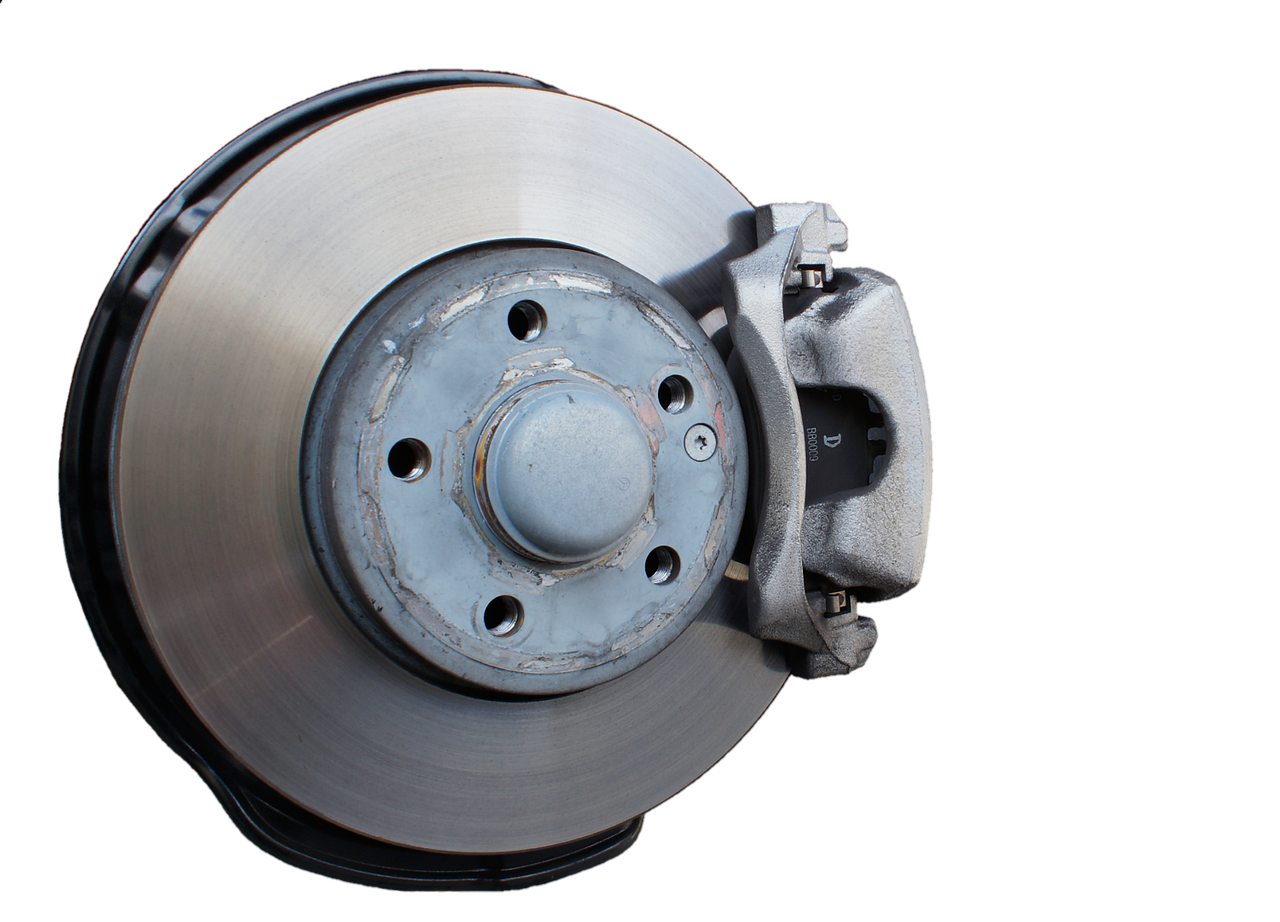
- Calipers: While cleaning the brake pads, it’s also beneficial to clean the brake calipers. Lacquer thinner can help remove any oil or debris that may have splashed onto the calipers during operation. This ensures that the entire braking system remains free from contaminants.
- Brake Lines: Although not directly part of the brake pads, the brake lines should be inspected and cleaned as well. Any oil or residue on the lines can affect the hydraulic pressure and, subsequently, the performance of the brake system. A light application of lacquer thinner can help maintain these components.
- Surrounding Areas: Don’t forget to clean the surrounding areas of the brake pads. Dust and dirt can easily accumulate around the brake assembly, which may inadvertently affect the brake pads. Use lacquer thinner on a rag to wipe down these areas, ensuring a comprehensive clean.
When applying lacquer thinner, it’s important to use it sparingly. A little goes a long way, and excessive use can lead to damage to the brake pads or other components. Always ensure that you are in a well-ventilated area and wearing appropriate safety gear, such as gloves and goggles, to protect yourself from fumes.
By focusing on these specific areas, you can effectively remove oil and grime, thus enhancing the performance and longevity of your brake pads. Remember, the goal is to create a clean surface that allows for maximum friction and efficient braking.
Step-by-Step Guide to Cleaning Brake Pads
Cleaning brake pads is an essential maintenance task for any vehicle owner. Over time, brake pads can accumulate oil, dirt, and grime, which can adversely affect braking performance. This step-by-step guide will walk you through the process of cleaning brake pads using lacquer thinner, ensuring that you follow safe and effective methods.
To achieve optimal results, it is crucial to follow a systematic approach when cleaning brake pads. Below, we outline the essential steps to ensure a thorough cleaning process.
- Lacquer Thinner – This powerful solvent effectively removes oil and grime.
- Gloves – Protect your hands from chemicals.
- Safety Goggles – Shield your eyes from splashes.
- Brushes – Use stiff-bristled brushes for scrubbing.
- Rags – For wiping and drying the brake pads.
Before cleaning, remove the brake pads from the vehicle. Inspect them for any visible damage or excessive wear. If the pads are significantly worn, consider replacing them instead of cleaning.
In a well-ventilated area, pour a small amount of lacquer thinner into a container. Dip a brush into the thinner and apply it generously to the brake pads, focusing on areas with heavy oil accumulation. Be careful not to soak the pads; a little goes a long way.
Using a stiff-bristled brush, scrub the brake pads in a circular motion. This helps to lift the oil and grime effectively. Ensure that you cover all surfaces, including the backing plate and the friction material. After scrubbing, use a rag to wipe away any excess lacquer thinner and debris.
After scrubbing, it is important to rinse the brake pads with clean water to remove any residue from the lacquer thinner. Allow the pads to air dry completely before reinstalling them. This step is crucial to avoid any moisture-related issues that could affect braking performance.
Once the brake pads are dry, conduct a thorough inspection. Look for any signs of wear or damage. If they appear to be in good condition, they can be reinstalled. If not, it may be time to invest in a new set.
When reinstalling, ensure that the pads are positioned correctly in the caliper. Follow the manufacturer’s guidelines for installation to guarantee proper function. Tighten any bolts or clips securely to prevent movement while driving.
By following these steps, you can effectively clean your brake pads and maintain their performance. Regular cleaning not only enhances the longevity of your brake pads but also ensures safer driving conditions. Remember to always prioritize safety by wearing appropriate gear and working in a well-ventilated area.
Preparing the Brake Pads for Cleaning
When it comes to maintaining your vehicle, ensuring that your brake system functions optimally is paramount. One of the critical steps in this maintenance process is cleaning brake pads, especially when they have accumulated oil or grime. Before applying lacquer thinner, it’s essential to prepare the brake pads properly. This preparation involves several crucial steps to ensure both safety and effectiveness during the cleaning process.
The first step in preparing brake pads for cleaning is to remove them from the vehicle. This process may vary depending on the make and model of your vehicle, but generally involves:
- Jack up the vehicle and secure it with jack stands.
- Remove the wheel to access the brake assembly.
- Carefully detach the brake caliper and slide it off the rotor.
- Extract the brake pads from their housing.
Always consult your vehicle’s manual for specific instructions related to your model.
Once the brake pads are removed, it’s crucial to inspect them for any signs of damage. Look for:
- Cracks or chips in the pad material.
- Uneven wear, which can indicate improper installation or alignment issues.
- Excessive thinning of the pads, which can compromise braking performance.
If any damage is detected, it may be necessary to replace the brake pads rather than clean them. This step is vital for ensuring the safety and reliability of your braking system.
Before you start cleaning, it’s important to prepare your work area. Make sure you have:
- A well-ventilated space to minimize inhalation of fumes from the lacquer thinner.
- All necessary tools and materials within reach, including gloves, goggles, and rags.
- A container for the lacquer thinner to avoid spills and ensure safe handling.
Using lacquer thinner can be hazardous if proper safety precautions are not taken. Always wear protective gear such as:
- Safety goggles to protect your eyes from splashes.
- Gloves to prevent skin contact with the chemical.
- A mask to avoid inhaling harmful vapors.
Taking these precautions will help ensure that your cleaning process is both effective and safe.
By following these steps to prepare your brake pads, you not only set the stage for effective cleaning but also ensure that your braking system operates safely and efficiently. Proper preparation is key to achieving the best results when using lacquer thinner on brake pads.
Applying Lacquer Thinner: Best Practices
When it comes to cleaning brake pads, using lacquer thinner can be an effective solution for removing oil and contaminants. However, to achieve the best results without damaging the brake pads, it’s essential to follow certain best practices. This guide will walk you through the techniques for applying lacquer thinner effectively.
Understanding the Right Amount of Lacquer Thinner to Use
One of the most important aspects of using lacquer thinner is knowing how much to apply. Using too much can lead to damage, while too little may not be effective. A small amount—roughly the size of a quarter—should be sufficient for most cleaning tasks. Always start with a minimal amount and add more if necessary.
Techniques for Effective Scrubbing
- Use Soft Brushes: Opt for a soft-bristled brush to scrub the brake pads gently. This minimizes the risk of scratching or damaging the material.
- Apply Gentle Pressure: When scrubbing, apply light pressure. You want to remove the oil and grime without compromising the integrity of the brake pads.
- Focus on Contaminated Areas: Pay special attention to areas where oil tends to accumulate. This is usually around the edges and the surface that comes into contact with the rotor.
Safety Precautions While Applying Lacquer Thinner
Before diving into the cleaning process, it’s crucial to prioritize safety:
- Work in a Well-Ventilated Area: Ensure that you are in a space with good airflow to avoid inhaling harmful fumes.
- Wear Protective Gear: Always wear gloves, goggles, and a mask to protect your skin and eyes from splashes and fumes.
Step-by-Step Process for Applying Lacquer Thinner
1. **Preparation:** Remove the brake pads from the vehicle and inspect them for any visible damage.2. **Application:** Place a small amount of lacquer thinner onto a clean cloth or directly onto the brush.3. **Scrubbing:** Gently scrub the brake pad surface, focusing on areas with oil buildup. Use circular motions to effectively lift grime.4. **Rinsing:** If needed, wipe the pads with a clean, dry cloth to remove any residue from the lacquer thinner.5. **Drying:** Allow the brake pads to dry completely before reinstalling them in the vehicle.
Final Considerations
After applying lacquer thinner and cleaning the brake pads, it’s essential to let them dry thoroughly. This ensures that no residual solvent remains, which could affect braking performance. Additionally, inspect the brake pads for any signs of wear or damage before reinstallation.
By following these best practices, you can effectively clean your brake pads with lacquer thinner while maintaining their integrity and ensuring optimal performance. Remember, proper cleaning not only enhances the longevity of your brake system but also contributes to your overall driving safety.
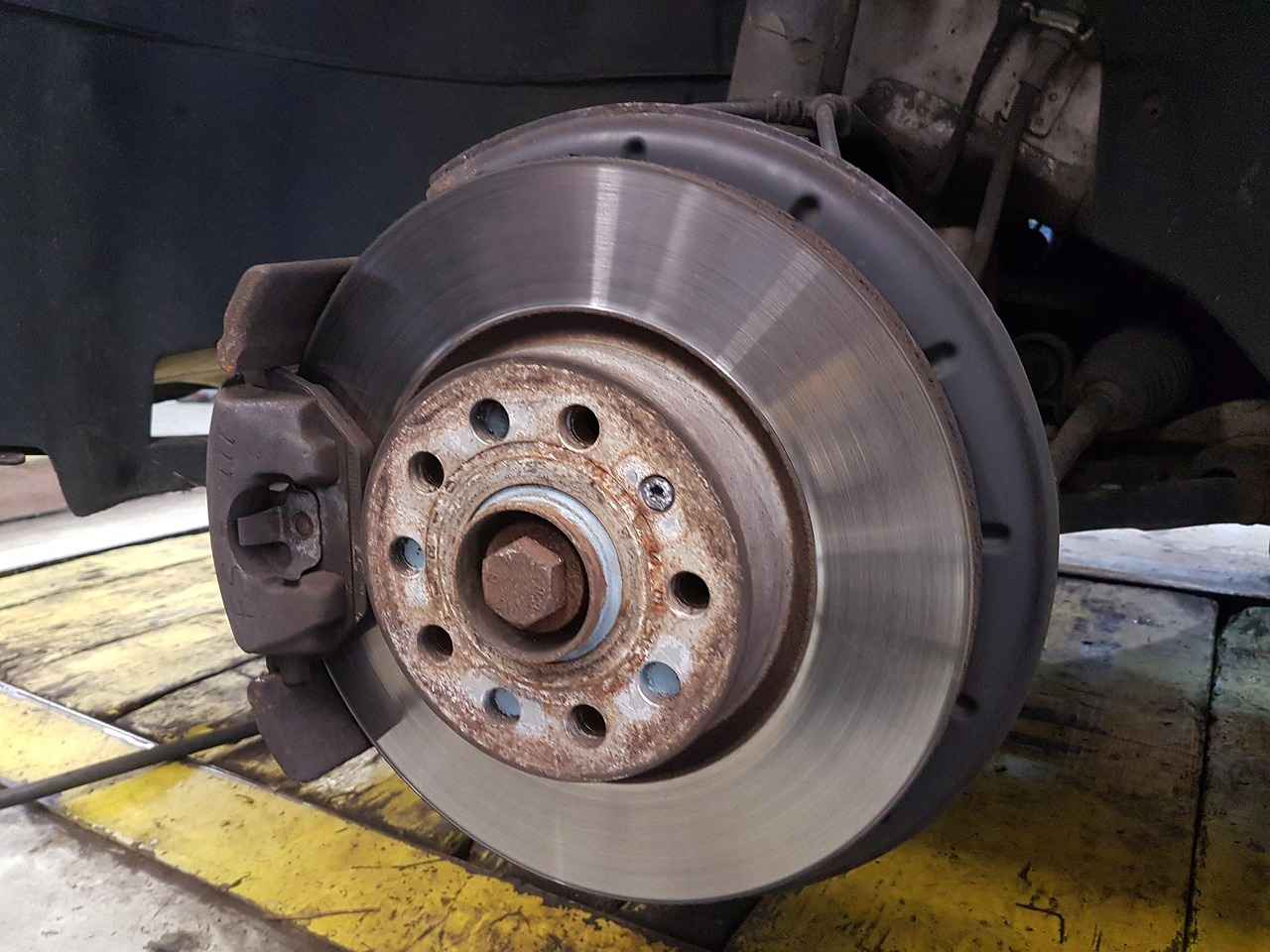
Aftercare: Ensuring Optimal Performance
After cleaning your brake pads, proper aftercare is essential for ensuring their optimal performance and longevity. Neglecting this important step can lead to decreased braking efficiency and potential safety hazards. This section outlines the necessary steps to take post-cleaning to maintain brake pad integrity and functionality.
Aftercare is crucial because it helps to preserve the effects of the cleaning process. Freshly cleaned brake pads are free from oil and grime, but they can quickly accumulate debris if not handled properly. Regular maintenance ensures that your brake pads perform effectively, enhancing your vehicle’s overall safety.
- Inspect the Brake Pads: After cleaning, inspect the brake pads thoroughly for any signs of wear or damage. Look for cracks, uneven wear, or any foreign material that might have been missed during cleaning. If any issues are detected, consider replacing the pads to ensure safety.
- Allow to Dry Completely: Ensure that the brake pads are completely dry before reinstalling them. Moisture can interfere with braking performance and may cause the pads to wear unevenly. Place them in a well-ventilated area to facilitate drying.
- Apply Brake Pad Lubricant: Using a suitable brake pad lubricant can help reduce noise and improve performance. Apply a thin layer to the back of the brake pads, avoiding the friction surface to maintain effective braking.
- Check Brake Hardware: Inspect the brake hardware, including clips and shims, for signs of wear. Replacing worn hardware can prevent issues during braking and ensure a secure fit for the pads.
- Reinstall Carefully: When reinstalling the brake pads, follow the manufacturer’s guidelines. Ensure that the pads are seated properly in the calipers and that all hardware is tightened to the specified torque settings.
- Test the Brakes: After reinstalling the brake pads, conduct a test drive in a safe area. Pay attention to any unusual noises or vibrations, as these may indicate improper installation or other issues.
To ensure that your brake pads perform optimally, avoid these common mistakes:
- Skipping the Inspection: Failing to inspect the pads can lead to overlooking critical issues that could compromise safety.
- Reinstalling While Wet: Installing wet brake pads can lead to poor performance and uneven wear.
- Using the Wrong Lubricant: Not all lubricants are suitable for brake pads. Ensure that you use products specifically designed for brake systems.
Regular maintenance is key to prolonging the life of your brake pads. Schedule periodic checks and cleaning to keep them in optimal condition. Additionally, pay attention to your driving habits, as aggressive driving can lead to quicker wear of brake components.
In summary, aftercare is an integral part of brake pad maintenance. By following these steps, you can ensure that your brake pads remain effective, safe, and long-lasting. Remember that your vehicle’s braking system is vital for safety, so prioritize proper aftercare to avoid potential hazards on the road.
Inspecting Brake Pads Post-Cleaning
After cleaning your brake pads, it’s essential to conduct a thorough inspection to ensure their integrity and functionality. This crucial step not only enhances the safety of your vehicle but also contributes to its overall performance.
During the inspection, you should look for several key indicators of wear or damage:
- Thickness: Check the thickness of the brake pads. If they are worn down to less than 3mm, they should be replaced immediately to avoid compromising braking efficiency.
- Cracks or Chips: Inspect the surface of the pads for any visible cracks or chips. These can significantly affect the braking performance and may lead to further damage if not addressed.
- Glazing: Look for a shiny or glazed surface on the brake pads, which can occur due to overheating. Glazed pads can lead to reduced friction and longer stopping distances.
- Uneven Wear: Examine the wear pattern on the pads. Uneven wear can indicate issues with the brake calipers or alignment, which may require further investigation.
- Contamination: Ensure there are no residual oils or contaminants remaining on the pads after cleaning. Any foreign substances can severely impact braking performance.
It’s also advisable to inspect the brake rotors during this process. Look for signs of scoring, warping, or excessive wear, as these can directly affect how well your brake pads function. If the rotors appear damaged, they may need to be resurfaced or replaced to maintain optimal braking performance.
After completing the inspection, if you identify any issues, it’s best to consult a professional mechanic. They can provide expert advice and solutions tailored to your specific situation. Remember, the condition of your brake pads is vital for your safety on the road.
In summary, inspecting brake pads post-cleaning is a critical step that should never be overlooked. By paying attention to wear indicators, ensuring proper thickness, and checking for any damage, you can help ensure that your vehicle remains safe and performs optimally.
Reinstalling Brake Pads Safely
is a critical step in ensuring your vehicle’s braking system functions optimally. After cleaning the brake pads, it is essential to approach the reinstallation process with meticulous attention to detail. This section provides practical tips to help you correctly reinstall brake pads, thereby maintaining optimal braking performance.
Reinstalling brake pads incorrectly can lead to various issues, including uneven wear, reduced braking efficiency, and potential safety hazards. Ensuring that the brake pads are securely and correctly positioned can prevent these problems and extend the lifespan of your braking components.
- 1. Inspect the Brake Components: Before reinstalling the brake pads, examine the rotors and calipers for any signs of damage or excessive wear. This step is crucial to ensure that all components are in good working condition.
- 2. Clean the Caliper and Rotor: Use a brake cleaner to remove any dust or debris from the caliper and rotor surfaces. This will help ensure a proper fit and reduce the chances of contamination affecting braking performance.
- 3. Apply Brake Grease: Apply a thin layer of brake grease to the backing of the brake pads and the caliper slides. This will help prevent squeaking and ensure smooth operation.
- 4. Position the Brake Pads: Carefully place the brake pads into the caliper bracket. Ensure that they are seated correctly and aligned with the rotor.
- 5. Reattach the Caliper: Once the pads are in place, reattach the caliper over the brake pads. Make sure to tighten the caliper bolts to the manufacturer’s specifications to avoid any loosening during operation.
- 6. Pump the Brake Pedal: After installation, pump the brake pedal a few times to seat the brake pads against the rotor. This action ensures that the pads are properly positioned and ready for use.
Before taking your vehicle for a test drive, perform the following checks:
- Check for Unusual Noises: Listen for any grinding or squeaking sounds when you first drive the vehicle. If you hear anything unusual, stop and inspect the brake system.
- Monitor Brake Feel: Pay attention to how the brake pedal feels. It should feel firm and responsive. If it feels spongy or goes to the floor, further inspection is necessary.
- Inspect for Fluid Leaks: After reinstalling the brake pads, check for any signs of brake fluid leaks around the calipers and lines.
In conclusion, reinstalling brake pads requires careful attention to detail and following proper procedures. By taking the time to inspect, clean, and correctly position your brake pads, you can ensure that your vehicle maintains optimal braking performance and safety on the road. Remember, if you ever feel uncertain about the process, consulting a professional mechanic can provide peace of mind and ensure your vehicle’s braking system is in top condition.
Frequently Asked Questions
- Can I use lacquer thinner on all types of brake pads?
Not all brake pads are created equal! While lacquer thinner is effective for many, it’s essential to check the manufacturer’s recommendations. Some pads may have coatings that can be damaged by solvents.
- How long should I let the lacquer thinner sit on the brake pads?
A quick splash and scrub is usually enough! Generally, letting it sit for about 5-10 minutes is sufficient to break down the oil. Just be sure to follow up with a thorough scrub to remove any residue.
- Is it safe to use lacquer thinner indoors?
Safety first! Using lacquer thinner indoors is a no-go unless you have excellent ventilation. The fumes can be harmful, so always work in a well-ventilated area or outdoors if possible.
- What should I do if I accidentally spill lacquer thinner?
Uh-oh! If you spill lacquer thinner, quickly absorb it with rags or paper towels. Make sure to dispose of them properly, and ventilate the area to disperse any lingering fumes.
- How can I ensure my brake pads last after cleaning?
After cleaning, inspect for any wear and tear. Proper reinstallation and regular maintenance will also extend their life. Think of it as giving your brakes a spa day!