

This article provides a comprehensive guide on cutting aluminum sheets, focusing on effective tools and techniques. Whether you are a beginner or an experienced user, this guide aims to equip you with practical insights and expert advice to achieve precise cuts.
Understanding the right tools for cutting aluminum is crucial for achieving clean and accurate results. The following tools are commonly used:
- Band Saws: Ideal for straight cuts and can handle various thicknesses.
- Jigsaws: Perfect for intricate shapes and curves.
- Shears: Best for quick, straight cuts on thinner sheets.
- Rotary Tools: Versatile and suitable for detailed work.
Selecting the appropriate cutting technique is essential for a clean cut. Here are some methods to consider:
- Sawing: Provides precision and is suitable for various thicknesses.
- Shearing: A fast method for straight cuts, ideal for thinner sheets.
- Using Rotary Tools: Offers flexibility for detailed and intricate designs.
Band saws are versatile tools that excel in cutting aluminum sheets. Their benefits include:
- Precision: They allow for accurate cuts, minimizing waste.
- Versatility: Capable of handling various thicknesses effectively.
- Speed: Efficient for both straight and curved cuts.
Proper setup is vital for optimal performance. Follow these steps:
1. Adjust the blade speed to suit aluminum.2. Ensure blade tension is appropriate.3. Use a suitable blade type for aluminum cutting.4. Secure the aluminum sheet to prevent movement.
Choosing the right blade can significantly impact your cutting results. Consider the following:
- Bi-Metal Blades: Durable and effective for aluminum.
- High-Speed Steel Blades: Good for thin sheets.
- Carbide-Tipped Blades: Ideal for thicker materials.
Jigsaws offer flexibility and ease of use for cutting aluminum. Their strengths include:
- Portability: Easy to transport for on-site projects.
- Adaptability: Can handle intricate cuts and curves.
Safety is paramount when working with cutting tools. Essential safety measures include:
- Personal Protective Equipment (PPE): Always wear gloves, goggles, and hearing protection.
- Workspace Organization: Keep your area clean to prevent accidents.
Handling and storing aluminum sheets correctly can prevent damage and ensure safety. Here are some tips:
- Store sheets flat to avoid warping.
- Use protective covers to prevent scratches.
- Handle with care to avoid bending or denting.
Avoiding common pitfalls can enhance your cutting experience. Key mistakes to sidestep include:
- Using the wrong blade for the thickness of the sheet.
- Neglecting to secure the material properly.
- Overheating the blade, which can dull it quickly.
After cutting aluminum sheets, finishing techniques can enhance appearance and functionality. Consider:
- Deburring: Essential for safety and aesthetics.
- Polishing: Improves the look of your aluminum sheets.
Deburring is essential for achieving smooth edges. Effective techniques include:
- Using a deburring tool or file.
- Sandpaper for finer finishes.
Polishing can significantly improve the look of your aluminum sheets. Recommended methods include:
- Mechanical Polishing: Using polishing machines for a high shine.
- Chemical Polishing: Utilizing chemical solutions for a smooth finish.
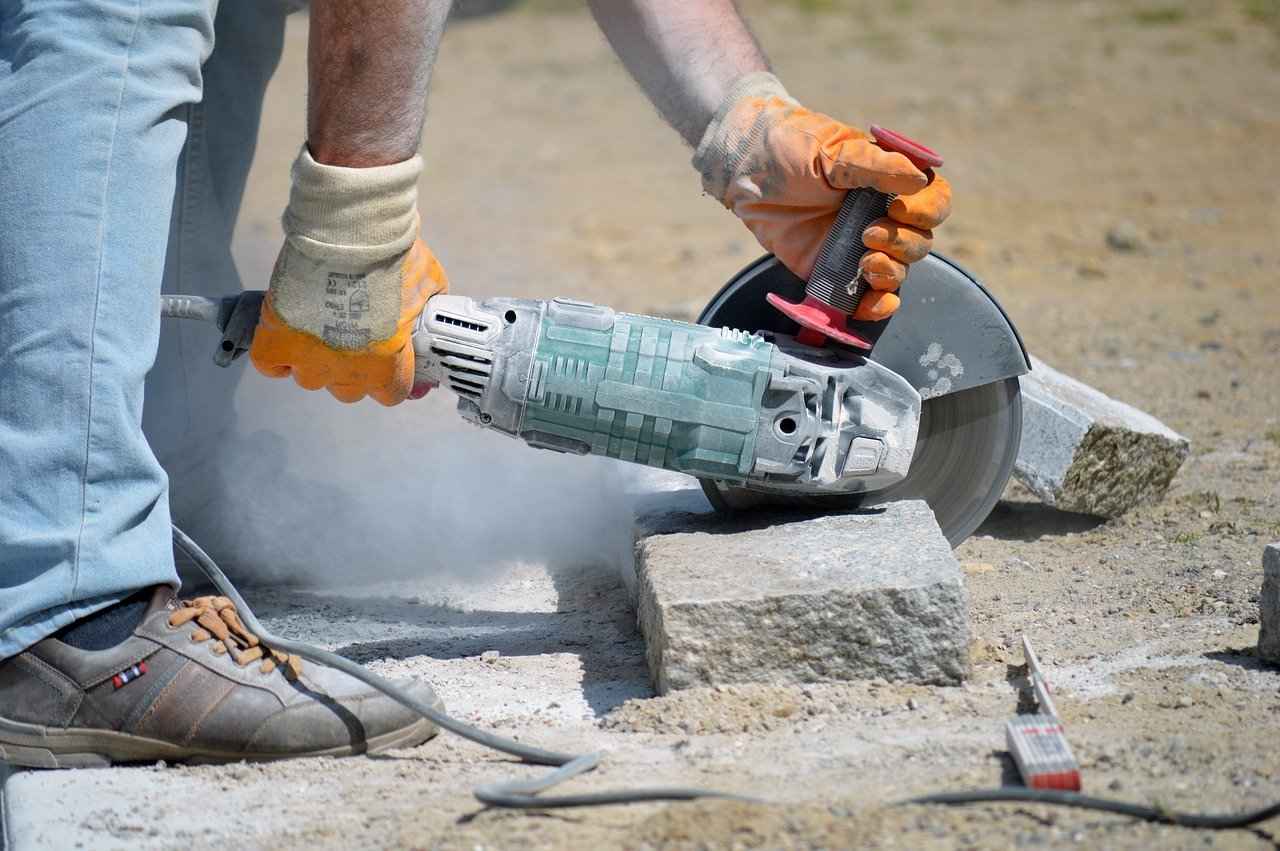
What Tools Do You Need to Cut Aluminum Sheet?
When embarking on a project that involves cutting aluminum sheets, having the right tools is essential for achieving precision and efficiency. Aluminum is a lightweight yet durable material, making it a popular choice in various industries, including automotive, aerospace, and construction. In this section, we will explore the various tools available for cutting aluminum, helping you make an informed decision based on your specific needs.
Understanding the right tools for cutting aluminum is crucial. The choice of tool can significantly impact the quality of your cut and the overall success of your project. Below are some of the most effective cutting tools:
- Saws: Various types of saws can be used to cut aluminum, including:
- Band Saws: These are excellent for making straight cuts and can handle various thicknesses of aluminum. They provide precision and are ideal for both straight and curved cuts.
- Table Saws: Equipped with a proper blade, table saws can efficiently cut aluminum sheets, especially for larger pieces.
- Jigsaws: These are versatile and portable, making them suitable for intricate cuts and curves in aluminum sheets.
- Shears: Manual and power shears are designed specifically for cutting sheet metal, including aluminum. They provide clean cuts and are particularly useful for thinner sheets.
- Rotary Tools: Tools like Dremels can be used for detailed cutting and engraving on aluminum, making them perfect for small projects or intricate designs.
- Circular Saws: With the right blade, circular saws can cut through aluminum sheets quickly and efficiently. They are suitable for straight cuts and can handle thicker materials.
When selecting a tool, consider the thickness of the aluminum sheet and the type of cut you need to make. For example, if you are working with thicker sheets, a band saw or circular saw might be more appropriate, while thinner sheets can be effectively cut with shears or jigsaws.
Additionally, using the correct blade is vital. Blades specifically designed for cutting aluminum often have fewer teeth and are made from materials that reduce friction, allowing for smoother cuts and less heat buildup. Always ensure that your tools are well-maintained and that you follow the manufacturer’s guidelines for optimal performance.
In conclusion, the right tools can make a significant difference in your aluminum cutting project. Whether you choose saws, shears, or rotary tools, each has its advantages and specific applications. By understanding these tools and their uses, you can enhance your cutting experience and achieve professional results.
How to Choose the Right Cutting Technique?
When it comes to cutting aluminum sheets, selecting the appropriate cutting technique is crucial for achieving a clean and precise cut. Different methods can yield varying results, and understanding these techniques can significantly enhance your project outcomes. Below, we explore several popular cutting techniques, including sawing, shearing, and the use of rotary tools, detailing their advantages and ideal use cases.
- Sawing: One of the most common methods for cutting aluminum sheets, sawing can be done using various types of saws, including band saws and circular saws. This technique is particularly effective for straight cuts and can handle thicker sheets with ease.
- Shearing: Shearing involves using a shearing machine that applies a significant amount of pressure to cut through the aluminum. This method is excellent for making clean, straight cuts on thinner sheets and is often faster than sawing.
- Rotary Tools: Rotary tools, such as die grinders or Dremels, are versatile options for cutting aluminum sheets. They are especially useful for intricate shapes and curves, providing flexibility that other methods may lack.
Understanding the advantages of each cutting method can help you make an informed decision:
| Method | Advantages | Best Use Cases |
|---|---|---|
| Sawing | Precision and ability to cut various thicknesses | Thicker aluminum sheets and straight cuts |
| Shearing | Speed and clean edges | Thin sheets and repetitive cuts |
| Rotary Tools | Flexibility for intricate designs | Curved cuts and detailed work |
When deciding on a cutting technique, consider the following factors:
- Material Thickness: Thicker materials may require more robust tools like band saws, while thinner sheets can be effectively cut with shears.
- Type of Cut: For straight cuts, sawing or shearing is ideal. For curves or detailed shapes, rotary tools are preferable.
- Project Scale: For large-scale projects, speed and efficiency are key, making shearing a great option. For smaller, detailed projects, precision tools like jigsaws or rotary tools may be more appropriate.
In addition to these considerations, always remember to prioritize safety. Use appropriate personal protective equipment (PPE) and ensure your workspace is organized to avoid accidents.
By carefully selecting the right cutting technique based on your specific needs, you can achieve optimal results and enhance the overall quality of your aluminum sheet projects.
What Are the Benefits of Using a Band Saw?
When it comes to cutting aluminum sheets, band saws are among the most versatile and efficient tools available. They are particularly well-suited for this task due to their unique design and functionality. This section will explore the numerous benefits of using a band saw for cutting aluminum, highlighting its precision, versatility, and ability to handle various thicknesses.
One of the most significant advantages of using a band saw is its ability to provide precise cuts. The continuous blade allows for smooth, clean cuts, reducing the need for additional finishing work. This precision is especially beneficial when working on intricate designs or when tight tolerances are required. The adjustable speed settings on many band saws also enable users to optimize their cutting process based on the specific thickness and type of aluminum being used.
Band saws are capable of cutting through a wide range of aluminum thicknesses, making them an ideal choice for various projects. Whether you are working with thin sheets or thicker plates, a band saw can handle the job efficiently. This versatility means that you can use the same tool for different applications, saving both time and money in the long run.
Another benefit of using a band saw for cutting aluminum sheets is the reduction of waste. The design of the blade allows for narrow cuts, which minimizes the amount of material lost during the cutting process. This is particularly important for those looking to conserve resources or reduce costs on larger projects.
Modern band saws come equipped with various safety features that enhance user protection. These may include blade guards, automatic shut-off switches, and adjustable speed controls. Such features help to minimize the risk of accidents while ensuring that the cutting process remains efficient and effective.
Band saws are generally user-friendly, making them accessible for both beginners and experienced users. The setup process is straightforward, and many models offer adjustable settings that allow users to customize their cutting experience. This ease of use is particularly advantageous for those who may not have extensive experience with cutting tools.
While the initial investment in a band saw may seem significant, its long-term benefits make it a cost-effective choice. The durability of band saws means they can withstand heavy use over time, reducing the need for frequent replacements. Additionally, their ability to handle various materials and thicknesses means that you can tackle multiple projects without needing to invest in additional tools.
In summary, band saws offer a multitude of benefits for cutting aluminum sheets, including precision, versatility, and safety. Their ability to handle different thicknesses and reduce waste makes them an invaluable tool for both professionals and hobbyists alike. Whether you are embarking on a DIY project or working in a professional setting, a band saw is a worthy investment that can enhance your cutting experience.
How to Set Up a Band Saw for Aluminum Cutting?
Setting up a band saw correctly is crucial for achieving optimal performance when cutting aluminum. Proper adjustments can significantly affect the quality of your cuts, ensuring they are smooth and precise. Below, we provide a step-by-step guide on how to adjust blade speed and tension effectively.
Before diving into the setup process, it’s essential to understand why proper setup is vital. The right adjustments can help you avoid issues such as:
- Excessive Wear on Blades: Incorrect tension can lead to premature blade wear.
- Inaccurate Cuts: Improper blade speed may result in jagged edges or uneven cuts.
- Safety Hazards: A poorly set up band saw can pose safety risks to the operator.
Adjusting the blade speed is the first step in setting up your band saw for aluminum cutting:
- Consult the Manufacturer’s Guidelines: Refer to your band saw’s manual for recommended speed settings for aluminum.
- Adjust the Speed: Most band saws have a variable speed option. Set the speed between 300 to 500 feet per minute for optimal aluminum cutting.
- Test the Speed: Run a test cut on a scrap piece of aluminum to ensure the speed is appropriate.
Blade tension is another critical factor in achieving clean cuts:
- Loosen the Blade: Start by loosening the blade tension before making adjustments.
- Adjust the Tension: Use the tensioning mechanism to increase the tension. A good rule of thumb is to tighten it until the blade has a slight deflection when pressed.
- Check Alignment: Ensure the blade is aligned properly with the wheels. Misalignment can cause the blade to bind or break.
Here are some extra tips to enhance your cutting experience:
- Use a Proper Blade: Select a blade specifically designed for cutting aluminum. This can improve cutting efficiency and reduce wear.
- Cooling Lubricants: Consider using a cutting lubricant to reduce heat and friction during the cutting process, which will prolong blade life.
- Regular Maintenance: Keep your band saw clean and well-maintained to ensure consistent performance.
By following these steps, you can set up your band saw for cutting aluminum effectively. Proper setup not only enhances the quality of your cuts but also ensures a safer working environment. With practice and the right adjustments, you’ll be able to achieve smooth, precise cuts in aluminum sheets.
What Blade Types Work Best with Band Saws?
When it comes to cutting aluminum sheets, the choice of blade is crucial. The right blade not only affects the quality of the cut but also the overall efficiency of the cutting process. In this section, we will explore various blade types suitable for use with band saws, highlighting their characteristics and ideal applications.
Choosing the right blade can significantly impact your cutting results. A blade that is not suited for aluminum can lead to poor cuts, increased wear, and even damage to the material. Understanding the specific requirements of aluminum cutting will help you make an informed decision on the best blade for your project.
- Bi-Metal Blades: These blades are made from two types of metal, typically high-speed steel teeth welded to a flexible backing. They are highly durable and can handle the heat generated during cutting, making them ideal for aluminum sheets.
- Carbide Tipped Blades: Featuring tips made from carbide, these blades are perfect for heavy-duty cutting. They provide excellent longevity and maintain sharpness over extended use, allowing for clean cuts in thicker aluminum sheets.
- High-Speed Steel (HSS) Blades: HSS blades are suitable for lighter cutting tasks. While they may not last as long as bi-metal or carbide tipped blades, they are effective for thin aluminum sheets and offer a cost-effective solution for smaller projects.
When selecting a blade for your band saw, consider the following factors:
- Tooth Count: A higher tooth count provides a smoother finish but may cut slower. Conversely, a lower tooth count allows for faster cuts but can leave rough edges.
- Blade Width: The width of the blade affects the cutting radius. Wider blades are better for straight cuts, while narrower blades can handle curves and intricate designs.
- Tooth Geometry: Different tooth shapes (hook, skip, or regular) are optimized for specific cutting tasks. Hook teeth are aggressive and ideal for fast cuts, while skip teeth are better for thicker materials.
For optimal results when cutting aluminum sheets, consider the following specifications:
- Tooth Pitch: A pitch of 3 to 4 teeth per inch (TPI) is generally recommended for aluminum. This helps prevent the teeth from loading up with material.
- Blade Speed: Operating at a higher speed can enhance cutting efficiency. Ensure your band saw is set to the appropriate speed for aluminum to minimize heat buildup.
To prolong the life of your blades and maintain cutting performance, follow these maintenance tips:
- Regular Cleaning: Remove any aluminum shavings and debris from the blade after use to prevent buildup that can dull the teeth.
- Proper Storage: Store blades in a dry, cool place to avoid rust and damage.
- Periodic Sharpening: Sharpen blades as needed to maintain cutting efficiency and prevent overheating.
By understanding the various blade types and their applications, you can enhance your cutting experience and achieve professional results when working with aluminum sheets.
Why Use a Jigsaw for Cutting Aluminum Sheets?
When it comes to cutting aluminum sheets, jigsaws are a popular choice among DIY enthusiasts and professionals alike. Their versatility and ease of use make them an excellent tool for various projects, especially when intricate cuts are required. This section delves into the reasons why using a jigsaw can be advantageous for cutting aluminum, highlighting its unique strengths and capabilities.
One of the primary benefits of using a jigsaw for cutting aluminum sheets is its portability. Unlike larger saws that may require a dedicated workspace, jigsaws are lightweight and can be easily transported to different job sites. This feature is particularly useful for contractors or hobbyists who need to work in various locations.
Jigsaws excel in making intricate cuts due to their design. The ability to use various blade types allows users to adapt the tool for different cutting needs. For example, fine-toothed blades can be employed for detailed work, while more aggressive blades can handle thicker sections of aluminum. This adaptability makes jigsaws a go-to choice for projects that require precision and flexibility.
Many modern jigsaws come equipped with variable speed settings, which enable users to adjust the cutting speed according to the material being cut. Slower speeds are ideal for delicate aluminum sheets, preventing the metal from warping or overheating. This feature enhances control and accuracy, ensuring clean and smooth cuts.
Selecting the appropriate blade is crucial when cutting aluminum with a jigsaw. Here are some key points to consider:
- Tooth Count: Higher tooth counts provide smoother cuts and are better for intricate designs.
- Material: Blades specifically designed for metal cutting are more effective and durable.
- Length: Ensure the blade length is compatible with your jigsaw model for optimal performance.
When using a jigsaw to cut aluminum, safety should always be a top priority. Here are some essential safety tips:
- Always wear protective eyewear to shield your eyes from metal shavings.
- Use gloves to protect your hands from sharp edges and hot surfaces.
- Ensure your workspace is organized and free from distractions to maintain focus while cutting.
In addition to aluminum, jigsaws are versatile enough to cut through a variety of materials, including wood, plastic, and composites. This multi-functionality makes them a valuable addition to any toolkit, allowing users to take on diverse projects without needing multiple specialized tools.
In summary, jigsaws offer a unique combination of flexibility, portability, and precision when cutting aluminum sheets. Their ability to handle intricate designs and varying material thicknesses makes them an essential tool for anyone looking to achieve professional results in their projects.
What Safety Precautions Should You Take?
When working with cutting tools, particularly when handling materials like aluminum sheets, safety is of utmost importance. This section outlines essential safety precautions that every worker should adhere to in order to minimize risks and ensure a secure working environment.
Prioritizing safety not only protects you but also enhances the quality of your work. Here are some fundamental safety measures to consider:
- Personal Protective Equipment (PPE): Always wear appropriate PPE, including safety glasses to protect your eyes from flying debris, gloves to shield your hands from sharp edges, and hearing protection if you’re using loud machinery. Steel-toed boots are also recommended to protect your feet from heavy materials.
- Workspace Organization: A cluttered workspace can lead to accidents. Keep your area clean and organized, ensuring that all tools and materials are stored properly. This practice not only prevents tripping hazards but also allows for better focus on the task at hand.
- Tool Inspection: Regularly inspect your cutting tools for any signs of wear or damage. Dull blades can cause accidents or result in poor cutting performance. Ensure that all tools are in good working condition before use.
- Proper Handling Techniques: When lifting or moving aluminum sheets, use proper lifting techniques to avoid injury. Always lift with your legs, not your back, and seek assistance for larger sheets to prevent strain or accidents.
- Safe Cutting Practices: When cutting aluminum, secure the sheet properly using clamps to prevent movement. Always cut away from your body and keep your hands clear of the cutting path. If using power tools, ensure you follow the manufacturer’s instructions.
- Emergency Preparedness: Familiarize yourself with the location of first aid kits and emergency exits. In case of an accident, knowing how to respond quickly can make a significant difference.
Incorporating these safety measures into your routine not only protects you but also enhances your efficiency and productivity while working with aluminum sheets. Remember, a safe workspace fosters creativity and innovation.
Personal Protective Equipment is a critical component of workplace safety. It serves as the first line of defense against potential hazards. By wearing the right gear, you significantly reduce the risk of injury from accidents. For instance, safety glasses can prevent serious eye injuries caused by flying metal shavings, while gloves protect against cuts and abrasions during handling.
Maintaining a safe workspace involves more than just cleaning up. It includes organizing tools and materials in a way that minimizes hazards. Consider implementing a system for tool storage that allows for easy access while ensuring that everything is put away after use. Additionally, marking walkways and work areas can help remind everyone to stay aware of their surroundings.
By prioritizing safety through these measures, you not only protect yourself but also contribute to a culture of safety that benefits everyone in the workspace. Remember, it only takes a moment to ensure safety, but the benefits last a lifetime.
How to Properly Handle and Store Aluminum Sheets?
Proper handling and storage of aluminum sheets are essential for maintaining their integrity and ensuring safety during use. Aluminum is a lightweight yet durable material, making it a popular choice in various industries. However, improper handling can lead to damage, safety hazards, and increased costs. This section outlines practical tips to manage aluminum sheets effectively before and after cutting.
Aluminum sheets can be susceptible to dents, scratches, and warping if not handled correctly. These imperfections can affect the overall quality of your project. Additionally, sharp edges can pose a safety risk to handlers. Thus, understanding the best practices for handling aluminum is crucial.
Storing aluminum sheets properly can prevent damage and facilitate ease of access. Here are some effective storage solutions:
- Use Flat Surfaces: Always store aluminum sheets on flat surfaces to avoid bending or warping.
- Stacking Techniques: If stacking sheets, place a protective layer, such as cardboard, between them to prevent scratches.
- Environment Considerations: Store aluminum in a dry and cool environment to avoid corrosion.
- Vertical Storage: For smaller sheets, consider vertical storage options to save space and minimize damage.
Before cutting aluminum sheets, proper handling techniques are vital:
- Wear Protective Gear: Always wear gloves and safety goggles to protect against sharp edges and metal shavings.
- Use Proper Lifting Techniques: When lifting heavy sheets, use your legs instead of your back to avoid injury.
- Use Tools for Assistance: Utilize carts or hoists to move large sheets, reducing the risk of accidents.
After cutting, the handling process continues to be critical:
- Deburring Edges: Always deburr sharp edges immediately after cutting to prevent cuts and injuries.
- Proper Disposal: Dispose of scrap pieces responsibly to maintain a safe working environment.
- Organizing Cut Pieces: Store cut pieces in labeled containers to avoid confusion and ensure easy access for future use.
To ensure safe handling and storage, avoid these common mistakes:
- Ignoring Protective Gear: Never handle sheets without appropriate safety gear.
- Improper Stacking: Avoid stacking sheets without protective layers, as this can lead to scratches and dents.
- Neglecting Environment: Do not store aluminum sheets in damp or humid areas, as this can lead to corrosion.
In summary, handling and storing aluminum sheets correctly is crucial for maintaining their quality and ensuring safety. By following these practical tips, you can minimize damage and enhance the overall efficiency of your aluminum cutting projects.
What Are Common Mistakes to Avoid When Cutting Aluminum?
When it comes to cutting aluminum, avoiding common pitfalls can significantly enhance your overall cutting experience. Whether you are a beginner or a seasoned professional, being aware of frequent mistakes can save you time, materials, and frustration. Here, we will highlight some of the most common errors encountered during aluminum cutting and provide effective strategies to sidestep them for a successful project.
One of the most prevalent mistakes is selecting an inappropriate tool for cutting aluminum. Each tool has its specific advantages, and using a tool that is not designed for aluminum can lead to poor results. For instance, using a wood saw can result in jagged edges and material waste. Instead, opt for tools specifically designed for metal, such as:
- Band Saws – Ideal for straight cuts.
- Jigsaws – Great for intricate shapes.
- Shears – Perfect for thin sheets.
Safety should always be your top priority. Many users overlook the importance of personal protective equipment (PPE) such as gloves, goggles, and ear protection. Not wearing the appropriate safety gear can lead to serious injuries. Always ensure your workspace is organized to minimize hazards.
Another common mistake is not properly securing the aluminum sheet before cutting. If the material shifts during the cutting process, it can lead to inaccurate cuts and potential accidents. Use clamps or a vise to hold the aluminum sheet firmly in place while you work.
Cutting aluminum at an incorrect speed can lead to overheating and damage to both the material and the cutting tool. If you are using a band saw, for example, ensure that you adjust the blade speed according to the thickness of the aluminum. Slower speeds are generally recommended for thicker sheets to prevent excessive heat buildup.
The choice of blade can significantly impact your cutting performance. Using a blade that is too coarse can cause rough edges, while a blade that is too fine may not cut effectively. Ensure that the blade is specifically designed for cutting metal and is suitable for the thickness of aluminum you are working with.
Many users forget to apply lubrication when cutting aluminum. Lubrication reduces friction and heat build-up, leading to cleaner cuts and prolonging the life of your cutting tool. Use cutting oil or a suitable lubricant to enhance your cutting efficiency.
After cutting aluminum, it’s crucial to deburr the edges to remove sharp and jagged pieces. Skipping this step can result in injuries during handling. Use a deburring tool or a file to smooth the edges, ensuring safety and a professional finish.
By being aware of these common mistakes and taking proactive measures, you can enhance your aluminum cutting experience, resulting in cleaner cuts and safer practices. Remember, preparation and attention to detail are key to achieving the best results in your projects.

What Finishing Techniques Should You Consider?
When working with aluminum sheets, the cutting process is only the first step in achieving a polished and professional look. Finishing techniques play a crucial role in enhancing both the appearance and functionality of the material. This section delves into various methods that can be employed after cutting aluminum, such as deburring and polishing, to ensure that the final product meets the highest standards.
Deburring is the process of removing sharp edges and irregularities from the cut surfaces of aluminum sheets. This is not merely an aesthetic choice; it is essential for safety and functionality. Sharp edges can pose risks of injury during handling and can also affect the performance of the finished product. By deburring, you not only enhance the visual appeal but also improve the usability of the aluminum sheets.
- Manual Deburring: Using a hand file or a deburring tool can be effective for small projects or intricate shapes. This method allows for precision and control.
- Power Tools: For larger sheets or more extensive projects, power tools like angle grinders or rotary tools equipped with deburring bits can speed up the process. However, care should be taken to avoid excessive heat buildup, which can damage the aluminum.
- Chemical Deburring: In some cases, chemical solutions can be used to remove burrs effectively, especially for complex geometries. This method is less common but can be useful in specific applications.
Polishing aluminum sheets can significantly improve their visual appeal by creating a shiny, reflective surface. There are several methods to achieve this:
- Mechanical Polishing: This involves the use of polishing wheels and compounds. By using a buffing wheel attached to a power tool, you can achieve a high-gloss finish. It’s important to use the right polishing compound designed specifically for aluminum to avoid scratches.
- Chemical Polishing: Chemical methods can also be employed to enhance the surface finish. These typically involve using acidic solutions that etch the surface to create a smooth finish. While this method is effective, it requires careful handling and safety precautions.
- Electropolishing: This advanced technique involves submerging the aluminum in a chemical bath that removes a thin layer from the surface. This process not only polishes the aluminum but also improves its corrosion resistance.
The choice of finishing technique largely depends on the intended use of the aluminum sheets and the desired aesthetic outcome. For projects where appearance is critical, mechanical polishing may be the best choice. However, if the sheets will be used in environments prone to corrosion, electropolishing could be more beneficial. Always consider factors such as cost, time, and the specific properties of the aluminum alloy being used.
Safety should always be a priority when working with finishing tools and chemicals. Here are some essential precautions:
- Always wear protective gloves and goggles to protect against sharp edges and flying debris.
- Ensure proper ventilation when using chemical solutions to avoid inhaling harmful fumes.
- Follow the manufacturer’s instructions for all tools and chemicals to ensure safe handling and application.
By employing the right finishing techniques, you can significantly enhance the quality and durability of your aluminum sheets. Whether through deburring, polishing, or a combination of methods, these finishing touches will ensure your project stands out.
How to Deburr Edges After Cutting?
After cutting aluminum sheets, achieving a smooth finish is crucial for both safety and aesthetic appeal. Sharp edges can pose serious risks, while a polished appearance enhances the overall quality of your project. In this section, we will explore effective deburring techniques that can help you smooth out those sharp edges efficiently.
Deburring is the process of removing sharp edges or burrs that are created during cutting. These burrs can be dangerous, leading to cuts or injuries during handling, and can also affect the fit and finish of assembled parts. By deburring, you not only improve workplace safety but also enhance the visual appeal of your aluminum sheets.
- Hand Files: One of the simplest and most effective methods is to use hand files. They allow for precise control and are ideal for small areas.
- Deburring Tools: Specialized deburring tools are designed for this purpose and can quickly remove burrs with minimal effort. These tools often come with interchangeable blades for different applications.
- Power Tools: For larger projects, using power tools like angle grinders or rotary tools can significantly speed up the deburring process. Equip them with deburring attachments or sanding discs for optimal results.
- Sandpaper: A simple yet effective method is to use sandpaper. Choose a finer grit to achieve a smooth finish without damaging the aluminum surface.
- Vibratory Tumblers: For mass deburring, vibratory tumblers can be used. They are especially useful for small parts and can deburr multiple pieces simultaneously.
Here’s a practical guide to deburring aluminum edges effectively:
1. Gather your tools: Choose the appropriate deburring tool based on your project size and requirements.2. Secure the aluminum sheet: Ensure that the sheet is stable and won’t move during the deburring process.3. Start deburring: Using your chosen method, gently run the tool along the sharp edges. For hand files, use long, even strokes.4. Check your work: Regularly inspect the edges to ensure that all burrs are removed.5. Finish with sandpaper: For a polished look, lightly sand the edges with fine-grit sandpaper.
While deburring is essential, it is equally important to prioritize safety. Always wear protective gloves to prevent cuts, and consider using safety goggles to protect your eyes from metal shavings. Ensure your workspace is organized and free from clutter to avoid accidents.
Deburring is a vital step in the process of working with aluminum sheets. By employing the right techniques and tools, you can ensure both safety and a professional finish. Whether you choose hand tools for precision or power tools for efficiency, the end result will enhance the quality of your work significantly.
What Polishing Methods Are Recommended for Aluminum?
Polishing aluminum sheets is an essential step in enhancing their visual appeal and durability. By employing various polishing methods, you can achieve a high-gloss finish that not only looks professional but also protects the surface from corrosion and wear. This section will explore both mechanical and chemical polishing techniques that can significantly improve the appearance of your aluminum sheets.
Mechanical polishing involves the use of physical means to achieve a shiny surface. This can include the use of tools and abrasives to remove imperfections and create a smooth finish.
- Buffing: This method uses a rotating buffing wheel along with polishing compounds to achieve a mirror-like finish. It is particularly effective for larger aluminum sheets.
- Sanding: Using sandpaper or sanding pads, you can gradually remove surface imperfections. Start with a coarser grit and progress to finer grits for the best results.
- Grinding: For more significant surface defects, grinding can be employed. It is important to use the right grinding wheel to avoid damaging the aluminum.
Chemical polishing, on the other hand, uses chemical solutions to achieve a smooth and shiny surface. This method is often preferred for its ability to reach intricate areas that mechanical methods might miss.
- Acid Polishing: A common chemical method involves using acid solutions to remove the oxide layer and achieve a shiny finish. Care must be taken to follow safety guidelines when using acids.
- Electropolishing: This advanced technique involves immersing the aluminum in an electrolyte solution and applying an electric current. It results in a highly polished surface and is often used in industries requiring sanitary finishes.
The choice between mechanical and chemical polishing methods depends on several factors, including the desired finish, the size of the aluminum sheet, and the specific application. Mechanical methods are ideal for larger surfaces and when a quick finish is needed, while chemical methods are better for intricate designs and achieving a high-gloss finish.
Polishing aluminum sheets not only enhances their appearance but also provides several functional benefits:
- Corrosion Resistance: A polished surface is less likely to corrode, extending the lifespan of the aluminum.
- Aesthetic Appeal: Polished aluminum has a reflective quality that can elevate the overall look of any project.
- Improved Cleanliness: Smooth surfaces are easier to clean and maintain, making polished aluminum ideal for various applications.
In conclusion, whether you choose mechanical or chemical polishing methods, the key is to select the technique that best fits your project requirements. With the right approach, you can achieve stunning results that enhance both the functionality and appearance of your aluminum sheets.
Frequently Asked Questions
- What tools are best for cutting aluminum sheets?
When it comes to cutting aluminum sheets, band saws, jigsaws, and shears are among the top tools recommended. Each has its unique advantages, so your choice should depend on the thickness of the aluminum and the type of cut you need.
- How do I choose the right cutting technique?
Choosing the right cutting technique is crucial for achieving a clean finish. Band saws are great for straight cuts, while jigsaws excel at intricate designs. Assess your project needs to determine the best method for you!
- What safety precautions should I take?
Safety is key when cutting aluminum. Always wear personal protective equipment (PPE) like gloves and goggles. Ensure your workspace is organized to avoid accidents, and never rush the cutting process!
- How can I prevent mistakes while cutting aluminum?
Common mistakes include using the wrong blade or not securing the sheet properly. Always double-check your setup, and take your time to avoid mishaps that could ruin your project or cause injury.
- What finishing techniques are recommended after cutting?
After cutting, consider deburring to smooth sharp edges, and polishing for a professional look. These finishing touches not only enhance aesthetics but also improve safety!