
This article provides essential safety tips and effective methods for extinguishing gas fires, ensuring you are well-prepared to handle such emergencies safely and efficiently.
Understanding the common causes of gas fires can help in prevention and preparedness. Gas leaks, faulty appliances, and improper handling of flammable materials are significant contributors. It’s crucial to identify potential hazards in your home. Regularly check for:
- Damaged gas lines
- Loose fittings
- Defective appliances
Recognizing the signs of a gas fire is crucial for prompt action. Look for unusual odors, such as a rotten egg smell, hissing sounds, or flames that appear blue or yellow, which indicate incomplete combustion. Early detection can significantly reduce the risk of severe damage.
Using the right safety gear can protect you during a gas fire. Essential items include:
- Fire-resistant gloves
- Safety goggles
- A fire blanket to shield against flames
Having these items readily accessible can make a significant difference in your safety.
Knowing the appropriate methods to extinguish a gas fire is vital. Never use water; instead, follow these steps:
- Turn off the gas supply immediately.
- Use a fire extinguisher rated for flammable gases, such as a Class B extinguisher.
- If the fire is small and manageable, cover it with a fire blanket.
Always prioritize your safety first. If the fire escalates, evacuate the area.
Recognizing when to call for professional help can save lives. If the fire is uncontrollable or if there’s a gas leak, evacuate immediately and contact emergency services. Do not attempt to handle large fires alone. Your safety and the safety of others should always come first.
Prevention is better than cure. Regular maintenance of gas appliances, using detectors, and adhering to safety guidelines can significantly reduce the risk of gas fires in your home. Here are some preventive measures:
- Schedule regular inspections of your gas appliances.
- Install gas detectors in key areas of your home.
- Educate your family about gas safety and emergency procedures.
Being proactive can help you avoid dangerous situations.
By following these guidelines, you can ensure a safer environment in your home and be well-prepared to handle gas fire emergencies effectively.
What Causes Gas Fires?
Understanding the common causes of gas fires is essential for effective prevention and preparedness. By identifying these risks, you can take proactive measures to safeguard your home and loved ones. Let’s explore the main contributors to gas fires:
- Gas Leaks: One of the most significant causes of gas fires is a leak in the gas line or appliances. These leaks can occur due to corrosion, wear and tear, or improper installation. The presence of gas in the air can create a highly flammable environment, leading to potential ignition sources causing a fire.
- Faulty Appliances: Appliances that run on gas, such as stoves, heaters, and water heaters, can become hazardous if they are not maintained correctly. Issues like malfunctioning thermostats, broken ignition systems, or cracked hoses can lead to gas accumulation and fire hazards.
- Improper Handling of Flammable Materials: The presence of flammable materials near gas appliances can significantly increase the risk of a fire. Items such as paper, cloth, and chemicals should be stored safely away from gas sources to prevent accidental ignition.
- Negligence During Cooking: Cooking is a common activity that can lead to gas fires if not monitored. Leaving cooking appliances unattended, especially when using gas, can result in flames or explosions if a gas leak occurs.
- Improper Ventilation: Inadequate ventilation in areas where gas appliances are used can lead to the accumulation of gas. Proper ventilation is crucial to disperse any gas that may leak and prevent it from reaching ignition sources.
- Old or Damaged Gas Lines: Over time, gas lines can become corroded or damaged due to environmental factors. Regular inspections and maintenance are necessary to identify and replace any compromised lines before they lead to a fire.
To mitigate these risks, it is crucial to implement regular safety checks and maintenance routines. Installing gas detectors can also provide an early warning system for leaks, allowing for timely intervention. By being aware of these common causes, you can take steps to ensure a safer living environment, significantly reducing the risk of gas fires in your home.
How to Identify a Gas Fire?
Identifying a gas fire promptly is essential for ensuring safety and minimizing damage. Understanding the signs can help you take immediate action and prevent a small issue from escalating into a dangerous situation. Here are some key indicators to watch for:
- Unusual Odors: One of the most recognizable signs of a gas leak is a distinctive smell, often described as similar to rotten eggs. This odor is intentionally added to natural gas to help in detection. If you notice this smell, it’s crucial to act quickly.
- Hissing Sounds: Listen for any hissing or whistling noises near gas appliances or pipelines. These sounds can indicate escaping gas and should be taken seriously.
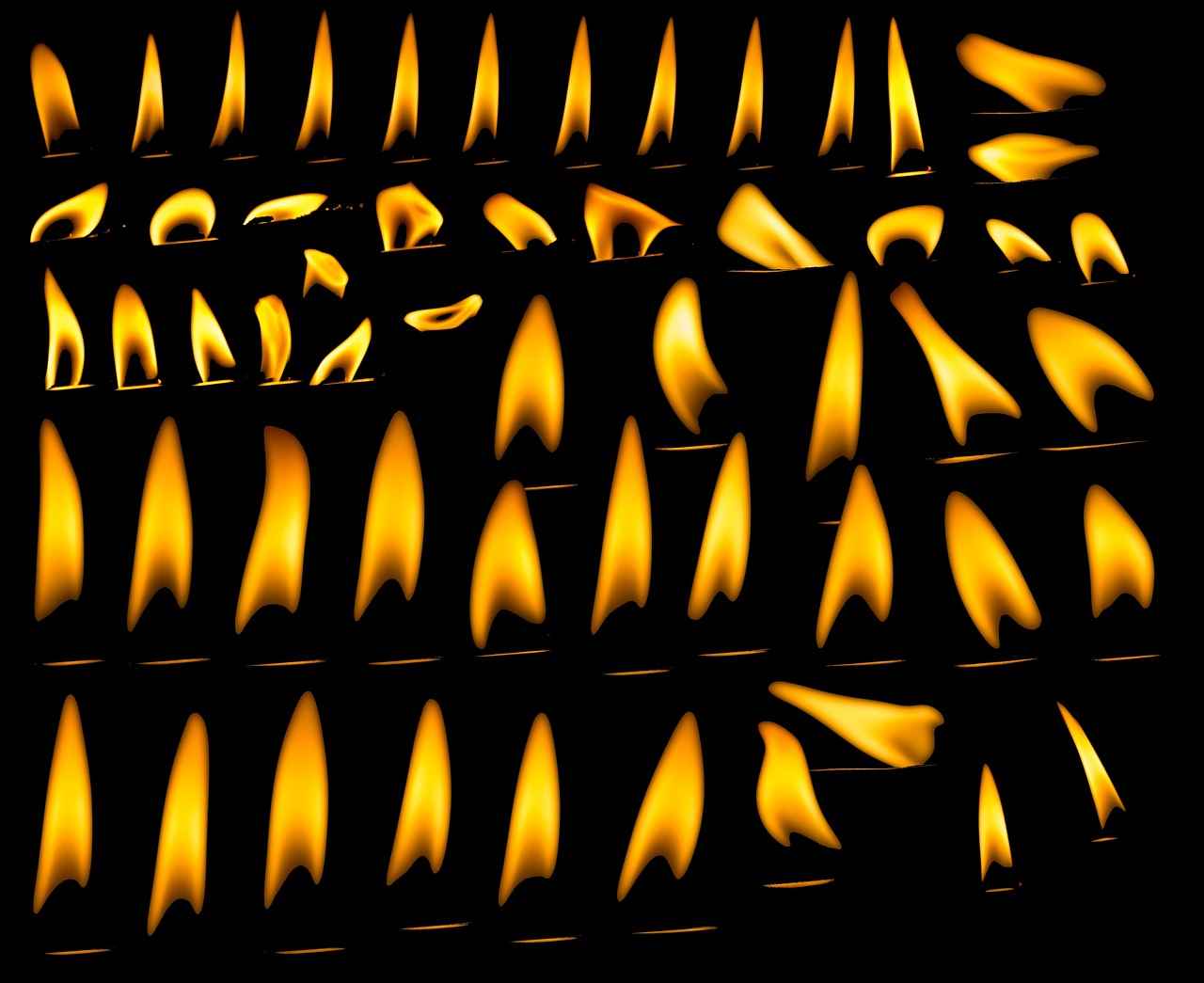
- Flame Color: Flames that appear yellow or orange instead of the typical blue can be a sign of incomplete combustion, which may indicate a gas fire. This color change suggests that the gas is not burning properly, potentially leading to dangerous conditions.
- Visible Flames: If you see flames emanating from gas appliances or fixtures, it is critical to act immediately. Flames should be contained and not spreading beyond their immediate vicinity.
- Heat Waves: If you notice heat waves or an unusual increase in temperature around gas appliances, this could indicate a fire that is not yet visible.
- Burning Smell: A burning smell, especially when combined with any of the above signs, can indicate that materials are igniting due to a gas fire.
In addition to these signs, it is essential to be aware of the environment around gas appliances. Regularly inspect your gas lines and appliances for signs of wear or damage. Any leaks or issues should be addressed by a professional immediately.
Furthermore, having a gas detector installed in your home can provide an additional layer of safety. These devices can alert you to the presence of gas in the air, allowing for a quicker response in case of a leak.
In summary, recognizing the signs of a gas fire involves being vigilant about unusual odors, sounds, and visual cues. If you suspect a gas fire, evacuate the area immediately and contact emergency services. Your safety is the top priority, and taking swift action can prevent serious harm.
What Safety Gear Should You Use?
When dealing with gas fires, the importance of using the right safety gear cannot be overstated. In emergency situations, having the appropriate protective equipment can mean the difference between safety and severe injury. Below, we explore essential safety gear that everyone should consider in the event of a gas fire.
Safety gear is crucial because it provides protection against the intense heat and flames associated with gas fires. In addition, it helps minimize the risk of inhaling harmful smoke or toxic fumes. By wearing the right gear, you can increase your chances of escaping a dangerous situation unharmed.
- Fire-Resistant Gloves: These gloves are designed to withstand high temperatures and protect your hands from burns. Look for gloves made from materials like Kevlar or Nomex, which offer excellent heat resistance.
- Safety Goggles: Protecting your eyes is vital during a gas fire. Safety goggles can shield your eyes from smoke, debris, and intense heat. Ensure they fit snugly to prevent any particles from entering.
- Fire Blanket: A fire blanket is an invaluable tool that can be used to smother flames. It can also provide a protective layer when moving through a fire-affected area. Ensure it is easily accessible in case of emergencies.
- Fire-Resistant Clothing: Wearing clothing made from fire-resistant materials can offer additional protection. Avoid synthetic fabrics, as they can melt and stick to the skin. Instead, opt for natural fibers like cotton or wool.
- Respiratory Protection: In situations where smoke and toxic gases are present, a respirator or mask can be crucial. Look for masks that filter out harmful particulates and gases.
Simply having safety gear is not enough; knowing how to use it effectively is equally important. Here are some tips:
- Always wear gloves and goggles: Before attempting to extinguish a fire, ensure you are wearing protective gloves and goggles.
- Keep the fire blanket accessible: Place your fire blanket in a visible and easily reachable location. Practice using it so you can act quickly in an emergency.
- Familiarize yourself with your gear: Regularly check and maintain your safety gear to ensure it is in good condition. Replace any damaged items immediately.
Storing your safety gear in a designated area can save precious time during an emergency. Consider the following storage tips:
- Designated Safety Kit: Create a safety kit that includes all essential gear. Keep it in a known location, such as a kitchen cabinet or a garage, where family members can easily access it.
- Regular Checks: Schedule regular checks to ensure that all gear is intact and ready for use. This includes checking expiration dates on items like fire extinguishers.
In conclusion, being prepared with the right safety gear can significantly enhance your safety during a gas fire. By investing in quality protective equipment and ensuring that everyone in your household knows how to use it, you can increase your chances of safely navigating a dangerous situation. Remember, preparation is key to safety.
How to Extinguish a Gas Fire Safely?
When it comes to dealing with a gas fire, understanding the correct techniques to extinguish it is crucial for your safety and the safety of those around you. Gas fires can escalate quickly, making it essential to act promptly and effectively. This article will guide you through the necessary steps to safely extinguish a gas fire.
Why is Water Not an Option? Using water to extinguish a gas fire can be extremely dangerous. Water can spread the flames or even cause an explosion if it comes into contact with the burning gas. Instead, it is vital to use the appropriate methods to manage the situation safely.
Steps to Extinguish a Gas Fire
- Turn Off the Gas Supply: The first step in handling a gas fire is to locate the gas shut-off valve and turn it off. This action will help stop the flow of gas and prevent the fire from spreading further.
- Use a Fire Extinguisher: It is essential to have a fire extinguisher that is rated for flammable gases, such as a Class B extinguisher. Aim the extinguisher at the base of the flames and use a sweeping motion to extinguish the fire.
- Evacuate the Area: If the fire becomes uncontrollable or if you feel unsafe, evacuate the area immediately. Ensure that everyone is accounted for and move to a safe distance.
- Call Emergency Services: If the fire cannot be extinguished quickly, do not hesitate to call emergency services. Provide them with clear information about the situation, including the presence of gas.
What Safety Gear Should You Wear? It’s important to protect yourself while attempting to extinguish a gas fire. Wear fire-resistant gloves and safety goggles to shield yourself from heat and debris. A fire blanket can also be useful to cover yourself if flames approach.
Recognizing the Signs of a Gas Fire Before attempting to extinguish a gas fire, you must identify its presence. Look for signs such as:
- Unusual gas odors or a strong smell of rotten eggs, which may indicate a leak.
- Hissing sounds that suggest gas escaping from a line or appliance.
- Flames exhibiting a blue or yellow color, indicating incomplete combustion.
When to Seek Professional Help? If you find that the fire is too large or you are unsure about your ability to extinguish it safely, evacuate immediately and contact emergency services. It is always better to err on the side of caution when dealing with gas fires.
How to Prevent Gas Fires in the Future? Prevention is key to avoiding gas fires altogether. Regular maintenance of gas appliances, checking for leaks, and installing gas detectors can significantly reduce the risk. Always follow safety guidelines when using gas appliances and ensure proper ventilation in areas where gas is used.
By understanding how to extinguish a gas fire safely and knowing the correct procedures, you can protect yourself and others in the event of an emergency. Always prioritize safety and be prepared to act quickly and effectively.

When to Call Emergency Services?
When it comes to handling emergencies, especially those involving gas fires, knowing when to call emergency services is crucial. Recognizing the signs of a serious situation can mean the difference between life and death. In this section, we will explore the circumstances under which you should seek professional assistance and the steps you should take to ensure your safety.
First and foremost, if you encounter a situation where the fire is uncontrollable, it is imperative to evacuate the premises immediately. Fires can escalate quickly, and what may seem manageable can turn into a raging inferno in a matter of moments. If you find yourself in this situation, do not hesitate to call emergency services from a safe location.
Another critical scenario is the detection of a gas leak. If you smell gas or hear a hissing noise, these are clear indicators that you may be facing a dangerous situation. In such cases, it is essential to act swiftly:
- Evacuate: Leave the area immediately, ensuring that everyone in the vicinity is aware of the danger.
- Avoid ignition sources: Do not use matches, lighters, or any electrical devices that could spark a flame.
- Contact emergency services: Once you are in a safe location, call your local emergency number to report the leak.
Additionally, if you find yourself battling a gas fire that you cannot extinguish with a fire extinguisher rated for flammable gases, it is vital to prioritize your safety. Never attempt to fight a fire that is too large or aggressive. Instead, evacuate and call for professional help.
In cases where you are unsure about the severity of the situation, it is always better to err on the side of caution. Emergency responders are trained to handle these types of incidents, and they can assess the situation more accurately. If you are feeling overwhelmed or unsure of what to do, calling for help is a wise decision.
Moreover, if you experience symptoms such as dizziness, nausea, or headaches while near a suspected gas leak or fire, these could be signs of carbon monoxide poisoning. In such instances, evacuate immediately and seek medical attention. This is another scenario where contacting emergency services is not just advisable, but necessary.
In summary, knowing when to call emergency services during a gas fire or leak can save lives. Always prioritize your safety and the safety of those around you. If you encounter an uncontrollable fire, detect a gas leak, or experience health symptoms related to gas exposure, evacuate and call for professional help without delay. Your quick action can prevent a tragedy.
How to Prevent Gas Fires?
Preventing gas fires is essential for ensuring the safety of your home and loved ones. By taking proactive measures, you can significantly decrease the likelihood of a gas fire occurring. Here are some crucial steps to consider:
- Regular Maintenance of Gas Appliances: Schedule routine inspections for all gas appliances, including stoves, heaters, and water boilers. Qualified technicians should check for leaks, wear, and tear, and ensure that appliances are functioning properly.
- Install Gas Detectors: Equip your home with gas detectors that can alert you to the presence of hazardous gases. These detectors should be installed near sleeping areas and in common spaces to provide early warnings.
- Adhere to Safety Guidelines: Familiarize yourself with the safety guidelines provided by manufacturers and local authorities. This includes understanding how to operate appliances safely and knowing the signs of a gas leak.
- Check for Gas Leaks: Regularly inspect your home for any signs of gas leaks, such as a rotten egg smell or hissing sounds. If you suspect a leak, evacuate the area immediately and contact a professional.
- Use Appliances Correctly: Always follow the manufacturer’s instructions when using gas appliances. Avoid using them in ways that they were not designed for, as this can lead to dangerous situations.
- Keep Flammable Materials Away: Store flammable materials, such as cleaning products and paper goods, away from gas appliances. This will minimize the risk of ignition in case of a gas fire.
- Educate Your Family: Ensure that all family members understand the dangers of gas fires and know how to respond in case of an emergency. Conduct regular fire drills to reinforce safety practices.
- Install Fire Extinguishers: Keep fire extinguishers rated for flammable gases in easily accessible locations throughout your home. Make sure everyone knows how to use them properly.
By implementing these preventive measures, you can create a safer living environment and significantly reduce the risk of gas fires. Remember, prevention is always better than cure. Regular maintenance of gas appliances, using detectors, and adhering to safety guidelines can significantly reduce the risk of gas fires in your home.
In addition to these preventive strategies, it is vital to stay informed about the latest safety practices and technologies in gas safety. Consider subscribing to safety newsletters or following reputable organizations that provide updates and tips on gas safety. This ongoing education can further empower you to protect your home and family from the dangers of gas fires.
Frequently Asked Questions
- What should I do if I smell gas?
If you smell gas, it’s crucial to act quickly. First, don’t turn on any electrical switches or flames. Evacuate the area immediately and call your local gas company or emergency services from a safe location. Remember, safety first!
- Can I use water to extinguish a gas fire?
No, using water on a gas fire can worsen the situation and spread the flames. Instead, turn off the gas supply if it’s safe to do so, and use a fire extinguisher that’s rated for flammable gases.
- How often should I check my gas appliances?
It’s a good practice to check your gas appliances at least once a year. Regular maintenance ensures they’re functioning safely and efficiently, reducing the risk of gas fires.
- What type of fire extinguisher is best for gas fires?
Look for a fire extinguisher rated for Class B fires, which are suitable for flammable liquids and gases. Always check the label to ensure it’s appropriate for gas fires.
- When should I call emergency services during a gas fire?
If the fire is beyond your control or if there’s a significant gas leak, evacuate immediately and call emergency services. Don’t hesitate; it’s better to be safe than sorry!