Owning a dirt bike at the age of 14 can be an exciting adventure for many teenagers. However, it is essential to understand the legal requirements and practical tips that ensure a safe and enjoyable riding experience. This article will guide you through the necessary steps to make informed decisions about dirt bike ownership.
When it comes to owning a dirt bike, legal requirements can vary significantly by region. Most states have specific age restrictions, and it is crucial for young riders to familiarize themselves with local laws. Generally, individuals under 18 may need to adhere to certain regulations, including:
- Age restrictions: Many states allow 14-year-olds to own a dirt bike but may have restrictions on where they can ride.
- Licensing requirements: Some regions may require teenagers to obtain a motorcycle permit or license.
- Registration: Depending on local laws, registering the dirt bike may be necessary.
One of the most common questions among young riders is whether a motorcycle license or permit is needed. In many states, a permit is required for those under 18. The process often involves:
- Passing a written test on motorcycle safety and laws.
- Completing a practical riding test.
Obtaining a motorcycle permit typically involves several steps:
1. Check your state's specific requirements.2. Gather necessary documents (e.g., identification, proof of residency).3. Complete a motorcycle safety course if required.4. Schedule and take the written test.5. Pass the practical riding test, if applicable.
Many states recommend or require training courses for young riders. These courses can significantly enhance safety and riding skills. Benefits include:
- Learning essential riding techniques.
- Understanding the importance of safety gear.
- Gaining confidence on the bike.
Understanding the financial aspects is crucial. The costs associated with obtaining a motorcycle permit can vary widely, but typically include:
- Application fees: These can range from $10 to $50.
- Course fees: Motorcycle safety courses may cost between $100 and $300.
Insurance is a vital aspect of owning a dirt bike. Most states require liability coverage to protect against damages or injuries. Young riders should consider:
- Finding affordable insurance options.
- Understanding the types of coverage needed.
Selecting the appropriate dirt bike is crucial for safety. Factors to consider include:
- Size: The bike should fit the rider’s height and weight.
- Engine capacity: Choosing a bike with an engine suitable for a beginner is essential.
Wearing the right safety gear is non-negotiable. Essential items include:
- Helmet: A DOT-approved helmet is vital for protection.
- Protective clothing: Long sleeves, gloves, and padded gear can prevent injuries.
Regular maintenance is key to ensuring a dirt bike lasts. Basic tasks include:
- Oil changes: Regularly changing the oil keeps the engine running smoothly.
- Tire checks: Inspecting tire pressure and tread can prevent accidents.
By understanding these legal requirements and practical tips, teenagers can safely navigate the exciting world of dirt biking. With the right preparation and knowledge, young riders can enjoy their dirt bike adventures while ensuring their safety and compliance with the law.
What Are the Legal Requirements for Owning a Dirt Bike at 14?
When it comes to owning a dirt bike at the age of 14, understanding the legal requirements is essential. Different regions have varying laws regarding age restrictions, licensing, and registration, which can significantly affect young riders. This section aims to clarify these requirements, ensuring that young enthusiasts can enjoy their dirt biking experience safely and legally.
Age Restrictions: In most areas, the minimum age for operating a dirt bike is 14, but this can vary. Some states may allow younger riders to operate smaller bikes under certain conditions or with parental supervision. It’s crucial for young riders and their guardians to check local regulations to ensure compliance.
Licensing Requirements: Many regions require young riders to obtain a motorcycle permit before they can legally operate a dirt bike. This often involves passing a written test that covers basic motorcycle laws and safety practices. In some states, riders must also complete a motorcycle safety course to qualify for a permit. These courses not only provide valuable knowledge but can also enhance riding skills, making them a worthwhile investment.
Registration: In addition to licensing, registering the dirt bike is another legal requirement in many areas. This process typically involves providing proof of ownership, such as a bill of sale, and paying a registration fee. Riders should be aware that unregistered bikes may lead to fines or penalties, so it’s important to complete this step before hitting the trails.
Insurance Considerations: While not always mandatory, obtaining insurance for a dirt bike is highly recommended. Insurance can protect young riders from financial liability in the event of an accident. Some states may require at least basic liability coverage, so checking local laws is advisable.
Variations by Region: The legal landscape for dirt bike ownership can differ significantly from one region to another. For example, some states have stricter regulations regarding where dirt bikes can be ridden, while others may have designated off-road areas. Understanding these nuances is crucial for ensuring compliance and safety.
In summary, young riders looking to own a dirt bike at 14 must navigate a variety of legal requirements. This includes understanding age restrictions, obtaining the necessary licenses or permits, registering their bikes, and considering insurance options. By staying informed and adhering to local laws, young riders can enjoy their passion for dirt biking while ensuring their safety and legality on the trails.
Do You Need a Motorcycle License or Permit?
This section provides a detailed look into the question of whether a motorcycle license or permit is necessary for 14-year-olds. The requirements can vary significantly across different states, making it essential for young riders and their guardians to be well-informed about the legalities involved.
In many states, individuals under the age of 16 are not permitted to obtain a full motorcycle license. However, a learner’s permit is often available for those aged 14 and older, allowing them to practice riding under certain restrictions. This permit typically requires the rider to be supervised by a licensed adult, ensuring safety during the learning phase.
To better understand the varying requirements, here’s a breakdown of the motorcycle licensing landscape across several states:
| State | Minimum Age for Permit | Supervision Required | Full License Age |
|---|---|---|---|
| California | 15.5 | Yes | 16 |
| Texas | 15 | Yes | 16 |
| Florida | 16 | No | 16 |
| New York | 16 | No | 17 |
As shown in the table, some states allow 14-year-olds to obtain a permit, while others set the minimum age at 15 or 16. It is crucial to check local regulations to ensure compliance. In addition to age restrictions, applicants often need to pass a written test covering traffic laws and safe riding practices.
What Documents Are Required? Generally, applicants will need to provide identification, proof of residency, and sometimes, parental consent. Some states also require proof of completion of a motorcycle safety course, which not only aids in obtaining the permit but also enhances the rider’s skills and safety awareness.
How to Apply for a Motorcycle Permit? The application process usually involves visiting a local Department of Motor Vehicles (DMV) office or its equivalent. Here’s a simplified step-by-step guide:
- Check your state’s requirements and gather necessary documents.
- Complete a motorcycle safety course if required.
- Visit the DMV and fill out the application form.
- Take the written test.
- Pay any applicable fees.
After obtaining the permit, it’s important to adhere to the restrictions, which may include riding only during daylight hours and avoiding highways. These regulations are designed to promote safety for young and inexperienced riders.
In summary, while a motorcycle license is generally not available for 14-year-olds, many states offer a learner’s permit with specific conditions. Understanding the local laws and following the proper procedures will help young riders embark on their motorcycling journey safely and legally.
What Are the Steps to Obtain a Motorcycle Permit?
Obtaining a motorcycle permit is an essential step for young riders eager to hit the trails or roads safely. The process may vary by state or region, but it generally includes several key steps that every aspiring motorcyclist should be aware of. In this section, we will explore the age requirements, the necessary documentation, and the testing procedures involved in securing a motorcycle permit.
To obtain a motorcycle permit, riders typically need to be at least 14 years old, although some states may have different age limits. It is crucial to check local regulations, as age requirements can vary significantly. In many places, riders under 18 may need parental consent to apply for a permit.
When applying for a motorcycle permit, applicants must gather specific documents. These usually include:
- Proof of Identity: A government-issued ID, such as a birth certificate or passport.
- Residency Verification: Documents that prove you live in the state where you are applying.
- Parental Consent: For riders under 18, a signed consent form from a parent or guardian may be required.
It’s advisable to check with your local Department of Motor Vehicles (DMV) for a complete list of required documents.
Once you have the necessary documentation, the next step is to prepare for the testing procedures. Typically, this includes:
- Written Test: Most states require applicants to pass a written exam that covers road signs, traffic laws, and safe riding practices.
- Vision Test: A vision screening ensures that the rider can see adequately to operate a motorcycle safely.
- Skill Test: Some regions may require a practical skills test, where applicants demonstrate their ability to handle a motorcycle safely.
Many states recommend or require young riders to complete a motorcycle safety course. These courses not only help fulfill permit requirements but also teach essential riding skills and safety measures. Completing a training course can also provide valuable knowledge about:
- Defensive Riding: Techniques to avoid accidents and stay safe on the road.
- Maintenance Basics: Understanding how to care for your motorcycle.
Additionally, successfully completing a recognized motorcycle safety course may exempt riders from taking the skills test, making the permit process smoother.
The cost of obtaining a motorcycle permit varies by state and may include fees for:
- Application Fee: A standard fee for processing your application.
- Testing Fees: Charges for taking the written and skills tests.
- Training Course Fees: If you choose to enroll in a motorcycle safety course, be prepared for additional costs.
Understanding these costs upfront can help you budget effectively for your motorcycle permit.
In summary, obtaining a motorcycle permit involves understanding age requirements, gathering necessary documentation, and completing testing procedures. By being well-prepared and knowledgeable about the process, young riders can embark on their motorcycling journey with confidence and safety.
Are There Specific Training Courses to Consider?
When it comes to young riders, safety is paramount. This is why many regions require or recommend training courses for young riders. Engaging in these courses not only enhances riding skills but also significantly boosts safety awareness. In this section, we will explore the various benefits of training courses and how they can shape a responsible rider.
What Are the Benefits of Training Courses?
- Skill Development: Training courses are designed to teach essential riding techniques and skills. Young riders learn how to handle different terrains, navigate obstacles, and control their bikes effectively.
- Safety Awareness: These courses emphasize the importance of safety gear and proper riding practices. Riders are educated on how to minimize risks and respond to potential hazards.
- Confidence Building: With proper training, young riders gain confidence in their abilities. This confidence translates into safer riding as they are more equipped to handle various situations.
- Legal Compliance: In many areas, completing a training course is a requirement for obtaining a motorcycle permit or license. This ensures that all riders have a foundational understanding of safe riding practices.
- Insurance Benefits: Some insurance companies offer discounts for riders who have completed certified training courses. This can help young riders and their families save money on insurance premiums.
What Types of Training Courses Are Available?
Training programs vary widely, but they generally fall into two categories:
- Beginner Courses: These are tailored for novice riders, focusing on basic skills, safety protocols, and introductory riding techniques. They are often conducted in controlled environments, allowing for a safe learning experience.
- Advanced Courses: For those who have some riding experience, advanced courses refine skills and introduce more complex techniques. These courses often include off-road riding, cornering techniques, and emergency response tactics.
How to Choose the Right Course?
When selecting a training course, consider the following:
- Certification: Ensure the course is recognized by local authorities or national organizations. Certification indicates that the course meets specific safety and quality standards.
- Instructor Experience: Research the qualifications and experience of the instructors. Experienced instructors can provide valuable insights and practical tips.
- Course Structure: Look for a course that balances theoretical knowledge with practical riding time. A well-structured course will ensure that riders can apply what they learn.
- Location and Accessibility: Consider the location of the training facility and whether it is easily accessible. Convenient locations can encourage consistent attendance.
Conclusion
Investing time in training courses can make a significant difference in a young rider’s experience and safety. By enhancing their skills and awareness, these courses not only prepare them for the challenges of riding but also instill a lifelong respect for safety on the road. As parents and guardians, encouraging participation in these programs can lead to more responsible and confident riders.
What Is the Cost of Obtaining a Permit?
When considering the financial aspects of obtaining a motorcycle permit, it is essential to understand the various costs involved. This section aims to provide a detailed overview of the potential expenses that young riders may encounter while pursuing their motorcycle permit.
First and foremost, the **application fee** is a primary cost. This fee can vary significantly depending on the state or region in which you reside. Typically, this fee ranges from $10 to $50. It’s advisable to check with your local Department of Motor Vehicles (DMV) or relevant authority to get the most accurate information.
In addition to the application fee, many states require aspiring riders to complete a **motorcycle safety course**. These courses are designed to equip young riders with the knowledge and skills necessary for safe riding. The cost of these courses can vary widely, generally falling between $100 and $300. While this may seem like a significant investment, completing a safety course can often lead to discounts on insurance premiums and may even waive the need for a road test in some areas.
| Cost Component | Estimated Cost |
|---|---|
| Application Fee | $10 – $50 |
| Motorcycle Safety Course | $100 – $300 |
| Testing Fees | $20 – $60 |
Moreover, if you do not pass the written or road test on your first attempt, you may incur additional **testing fees** for retakes. These fees typically range from $20 to $60 per attempt. Therefore, it is beneficial to prepare thoroughly for the tests to avoid these extra costs.
Another important financial aspect to consider is the **cost of insurance**. While not directly related to obtaining a permit, insurance is a necessary expense for any dirt bike owner. Young riders should research various insurance providers to find affordable options that offer adequate coverage. The cost of insurance can vary based on factors such as the rider’s age, the type of bike, and the coverage selected, but it’s crucial to factor this into your overall budget.
Lastly, consider the **maintenance and gear costs**. Although these are not directly related to obtaining a permit, they are essential for safe riding. Investing in quality safety gear, including a helmet, gloves, and protective clothing, can cost anywhere from $100 to $600 depending on the quality and brand. Regular maintenance of the dirt bike itself is also vital for safety and can incur additional costs over time.
In summary, understanding the financial implications of obtaining a motorcycle permit is crucial for young riders and their guardians. By being aware of the various fees associated with the application process, safety courses, testing, insurance, and gear, aspiring riders can better prepare financially for this exciting journey.
What Are the Insurance Requirements for Dirt Bikes?
When it comes to owning a dirt bike, insurance is not just a legal requirement; it is also a crucial aspect of responsible ownership. Having the right insurance coverage can protect young riders and their families from financial burdens in case of accidents or damages. This section breaks down the essential types of insurance needed for dirt bike owners, particularly focusing on liability coverage and affordable options available for young riders.
Types of Insurance Needed for Dirt Bikes
- Liability Coverage: This is the most basic and essential type of insurance for any dirt bike owner. Liability coverage protects the rider in case they are held responsible for causing injury to another person or damaging someone else’s property while riding. It is crucial for young riders, as it helps shield their families from potential lawsuits.
- Comprehensive Coverage: This type of insurance covers damages to the dirt bike itself, which can occur from theft, vandalism, or natural disasters. For young riders, who may not have the financial means to replace a stolen or damaged bike, comprehensive coverage can provide peace of mind.
- Collision Coverage: This insurance pays for damages to the dirt bike resulting from a collision with another vehicle or object. Young riders often face more accidents due to inexperience, making this coverage important.
Finding Affordable Insurance Options
For young riders and their families, affordability is a significant concern when it comes to insurance. Here are some tips to find affordable insurance options:
- Shop Around: Always compare quotes from multiple insurance providers. Different companies offer varying rates, and some may have special discounts for young riders.
- Consider Bundling: If the family already has insurance policies (like auto or home insurance), bundling them with dirt bike insurance can lead to significant discounts.
- Take a Safety Course: Many insurance providers offer discounts for riders who complete a certified safety course. This not only enhances riding skills but can also lower insurance premiums.
- Increase Deductibles: Opting for a higher deductible can lower monthly premiums. However, it is essential to ensure that the deductible is an amount the family can afford in case of a claim.
Legal Requirements for Insurance
In many regions, having at least some form of liability insurance is a legal requirement for dirt bike riders. It is essential to check local laws to understand the specific requirements in your area. Some states may mandate additional coverage types, so being informed can help avoid legal issues.
In summary, securing the right insurance for a dirt bike is a vital step for young riders. Understanding the types of coverage available, actively searching for affordable options, and complying with legal requirements can lead to a safer and more enjoyable riding experience. By prioritizing insurance, young riders can focus on what truly matters—having fun and honing their skills on the dirt trails.
How to Choose the Right Dirt Bike for a 14-Year-Old?
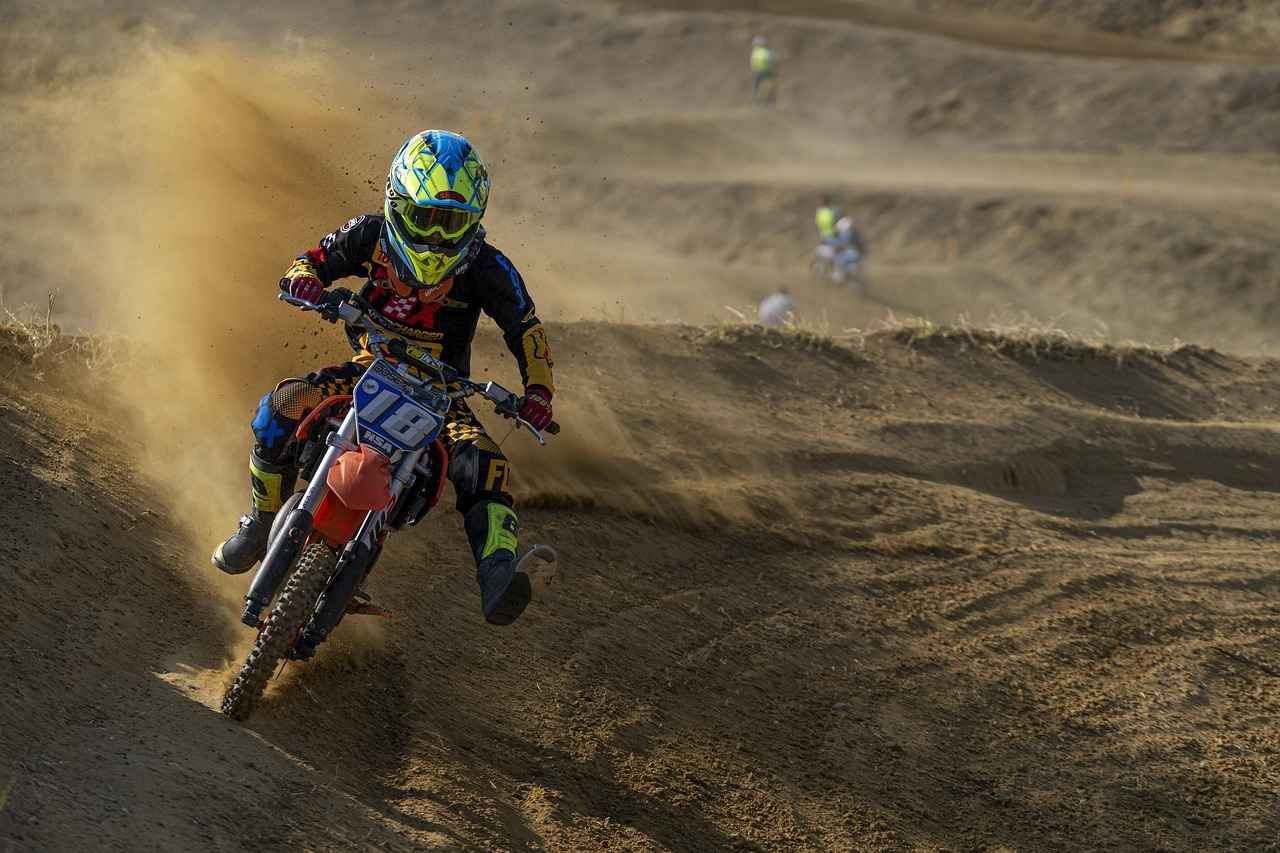
Choosing the right dirt bike for a 14-year-old is a critical decision that can significantly impact their safety and enjoyment while riding. With numerous options available in the market, it is essential to consider various factors, including size, engine capacity, and the rider’s experience. This guide aims to provide practical insights and recommendations to help make an informed choice.
When selecting a dirt bike, size is one of the most important factors to consider. A bike that is too large can be difficult to control, while one that is too small may not provide adequate power or stability. Generally, dirt bikes for teenagers range from 80cc to 125cc engines. Here are some guidelines:
- Height: The rider should be able to touch the ground with both feet while seated.
- Weight: Ensure the bike can support the rider’s weight without compromising performance.
- Comfort: The rider should feel comfortable reaching the handlebars and controls.
Several brands are known for producing reliable dirt bikes suitable for young riders. Some popular options include:
- Yamaha: Models like the Yamaha YZ85 are well-regarded for their durability and performance.
- Honda: The Honda CRF125F is a great choice for beginners, offering a smooth ride and user-friendly controls.
- Kawasaki: The Kawasaki KX100 provides a balance of power and control, making it ideal for teens looking for a bit more thrill.
Researching and reading reviews can also help identify the best model that fits the rider’s needs and preferences.
Engine capacity plays a significant role in determining the bike’s performance. For a 14-year-old, a bike with an engine capacity of 110cc to 125cc is often recommended. This range provides a good balance of power and manageability. Consider the following:
- Experience Level: New riders should start with smaller engines to build confidence and skills.
- Terrain: If riding on varied terrains, a bike with a slightly larger engine may be beneficial for better handling.
Understanding the rider’s experience level is crucial in selecting the right dirt bike. Beginners may benefit from a bike that is easier to handle, while more experienced riders might prefer a bike with advanced features. Here are some tips:
- Training: Consider enrolling the rider in a dirt bike training course to assess their skills.
- Test Rides: Allow the rider to test different bikes to see which one feels most comfortable and manageable.
Safety should always be a top priority when selecting a dirt bike. Look for features such as:
- Braking System: Ensure the bike has reliable brakes for effective stopping power.
- Suspension: Good suspension can absorb shocks and provide a smoother ride.
- Lighting: If riding in low-light conditions, having lights can enhance visibility.
In conclusion, choosing the right dirt bike for a 14-year-old involves careful consideration of size, engine capacity, rider experience, and safety features. By taking the time to evaluate these factors, parents and young riders can ensure a safe and enjoyable dirt biking experience.
What Size Dirt Bike Should You Consider?
When it comes to choosing the right size dirt bike for a 14-year-old rider, several factors play a crucial role in ensuring both comfort and control. Selecting a bike that matches the rider’s physical stature and skill level is essential for a safe and enjoyable experience. Below, we delve into the key considerations that will help you make an informed decision.
The size of a dirt bike significantly affects the rider’s ability to maneuver and control the bike. An appropriately sized bike allows for better balance, making it easier to handle and reducing the risk of accidents. If a bike is too large, it may be difficult for a young rider to reach the ground, leading to instability. Conversely, a bike that is too small can hinder performance and growth in skills.
- Rider Height: A rider’s height is one of the most important factors. A general rule of thumb is that the rider should be able to sit on the bike with both feet flat on the ground.
- Inseam Length: The inseam measurement helps determine how comfortably a rider can straddle the bike. A longer inseam typically allows for a taller bike.
- Weight: The weight of the rider can also influence the choice of bike. Heavier riders may need a bike with a more powerful engine and sturdier frame.
- Experience Level: Beginners should start with smaller, less powerful bikes to build confidence and skills before transitioning to larger models.
For 14-year-olds, the recommended bike sizes typically range from 85cc to 125cc. Here’s a breakdown:
| Engine Size | Rider Height (Approx.) | Skill Level |
|---|---|---|
| 85cc | 4’8″ to 5’2″ | Beginner to Intermediate |
| 125cc | 5’0″ and taller | Intermediate to Advanced |
Before making a purchase, it’s advisable to test ride the dirt bike. Here are some tips:
- Stand Over the Bike: Ensure that the rider can comfortably stand over the bike with both feet flat on the ground.
- Sitting Position: The rider should be able to sit comfortably without feeling cramped or stretched out.
- Reach the Controls: Check that the rider can easily reach the handlebars and controls while seated.
If you are considering a used dirt bike, it’s essential to inspect it thoroughly. Look for signs of wear and tear, check the engine condition, and ensure that all parts are functioning correctly. A well-maintained bike can be a great option for a young rider.
In summary, choosing the right size dirt bike for a 14-year-old requires careful consideration of various factors, including height, inseam, weight, and experience level. By taking the time to assess these elements, you can ensure that the rider enjoys a safe and thrilling experience on their new dirt bike.
Are There Specific Brands or Models Recommended for Teens?
When it comes to choosing the right dirt bike for young riders, specific brands and models stand out for their reliability, performance, and suitability for teenagers. These bikes are designed with features that cater to the needs of younger, less experienced riders while ensuring safety and ease of handling. Below, we review some of the most popular options that are well-suited for teens.
- Honda CRF125F: Known for its durability and user-friendly design, the Honda CRF125F is an excellent choice for young riders. With a 125cc engine, it provides enough power without being overwhelming, allowing beginners to build their confidence.
- Kawasaki KLX140: The KLX140 is another fantastic option, featuring a low seat height and a smooth power delivery. Its lightweight frame makes it easy for younger riders to handle, while the 144cc engine offers a good balance of speed and control.
- Yamaha TT-R125: This model is revered for its reliability and versatility. The TT-R125 comes with a 125cc engine and is equipped with features that enhance comfort and stability, making it ideal for teens who are just starting.
- Suzuki DR-Z125: With its aggressive styling and solid performance, the DR-Z125 is perfect for young riders looking to make an impression. This bike is equipped with a 125cc engine and is known for its easy handling, making it suitable for beginners.
- Husqvarna TC 85: For teens who are a bit more experienced and looking for a competitive edge, the Husqvarna TC 85 is a great choice. This bike features a powerful 85cc engine, offering a thrilling ride while still being manageable for younger riders.
When selecting a dirt bike for a teenager, it’s essential to consider factors such as engine size, weight, and seat height. Ensuring that the bike is the right fit will not only enhance the riding experience but also promote safety. Additionally, many of these brands offer great support and availability of parts, making maintenance easier for young riders and their parents.
It’s also advisable to seek out bikes that come with a good warranty and are known for their resale value. This can be particularly beneficial as young riders grow and may want to upgrade to a more powerful bike in the future. Overall, choosing the right dirt bike for teens involves careful consideration of their skill level, the bike’s specifications, and the overall riding environment.
In summary, the Honda CRF125F, Kawasaki KLX140, Yamaha TT-R125, Suzuki DR-Z125, and Husqvarna TC 85 are all excellent choices for young riders. Each of these models has been selected for their performance, reliability, and ease of use, making them perfect for teenagers eager to embark on their dirt biking journey.

What Safety Gear Is Essential for Young Riders?
Safety gear is not just an accessory for dirt bike riders; it is a necessity, particularly for younger enthusiasts. As the popularity of dirt biking grows among teenagers, understanding the importance of protective gear becomes paramount. This section will detail the essential safety equipment that every young rider should wear to ensure maximum protection while enjoying their ride.
- Helmet: A quality helmet is the most critical piece of safety gear. It protects the head from potential injuries during falls or collisions. Look for helmets that meet safety standards, such as DOT or Snell certifications. Full-face helmets offer the best protection, covering the entire head and face.
- Gloves: Riding gloves provide grip and protect the hands from abrasions and impacts. They should be made from durable materials and fit snugly to ensure control over the bike.
- Protective Clothing: Wearing long-sleeved shirts and pants made from durable materials helps shield the skin from scrapes and cuts. Specialized motocross gear is designed to withstand the rigors of dirt biking while offering comfort and protection.
- Chest Protector: A chest protector is essential for safeguarding the torso against impacts and falls. It can be worn over or under the jersey, providing an extra layer of safety.
- Knee and Elbow Pads: These pads are crucial for protecting joints during falls. They absorb shock and prevent injuries, allowing young riders to ride with confidence.
- Boots: Sturdy, high-top boots are essential for protecting the feet and ankles. They should be made from tough materials, providing support and grip while riding.
- Goggles: Clear vision is vital for safe riding. Goggles protect the eyes from dust, debris, and branches, ensuring that young riders can see clearly as they navigate trails.
Each piece of safety gear plays a vital role in reducing the risk of injury while riding. It is crucial for parents and guardians to ensure that young riders are properly equipped before hitting the trails. Investing in high-quality gear not only enhances safety but also boosts the rider’s confidence, allowing them to focus on improving their skills.
Moreover, it is essential to regularly check the condition of the safety gear. Worn-out or damaged equipment should be replaced immediately to maintain optimal protection. Encourage young riders to take responsibility for their gear, as this fosters a sense of accountability and awareness about safety.
In conclusion, ensuring that young riders are equipped with the right safety gear is fundamental to a safe and enjoyable dirt biking experience. By prioritizing safety, parents and guardians can help cultivate a lifelong love for the sport while minimizing the risks associated with it.
What Type of Helmet Is Best for Dirt Biking?
When it comes to dirt biking, safety should always be the top priority. One of the most critical pieces of equipment for any rider is the helmet. Choosing the right helmet can save lives. In this section, we will explore the different types of helmets available and the essential features to consider when selecting a quality dirt bike helmet.
Dirt bike helmets come in various styles, each designed for specific riding conditions and preferences. Here are the main types:
- Full-Face Helmets: These helmets provide maximum protection, covering the entire head and face. They are ideal for off-road riding, as they shield against impacts and debris.
- Open-Face Helmets: Offering more ventilation and visibility, open-face helmets protect the head but leave the face exposed. They are better suited for casual rides but do not offer the same level of safety as full-face options.
- Modular Helmets: These helmets combine features of both full-face and open-face helmets. They allow the rider to flip up the front for easier communication while still providing full protection when closed.
- Motocross Helmets: Specifically designed for motocross, these helmets are lightweight and feature a visor for sun and debris protection. They are typically full-face helmets with enhanced ventilation.
When choosing a helmet, consider the following features to ensure safety and comfort:
- Certification Standards: Look for helmets that meet safety standards such as DOT (Department of Transportation) or Snell certifications. These ensure the helmet has undergone rigorous testing.
- Fit and Comfort: A well-fitting helmet should snugly fit without being too tight. It should not move when you shake your head. Try on various sizes and styles to find the one that feels best.
- Ventilation: Proper airflow is essential, especially during long rides. Look for helmets with adjustable vents to help regulate temperature and keep you comfortable.
- Weight: A lighter helmet reduces fatigue during rides. However, ensure that the lightweight design does not compromise safety.
- Inner Padding: High-quality padding enhances comfort and absorbs sweat. Look for removable and washable liners for easy maintenance.
Investing in a quality dirt bike helmet is not just about compliance; it’s about ensuring your safety on the trails. A helmet that fits well and is designed for your specific riding style can significantly reduce the risk of head injuries in the event of an accident. Additionally, many high-quality helmets come with advanced features that improve visibility and comfort, making your riding experience more enjoyable.
In conclusion, when selecting a dirt bike helmet, prioritize safety, fit, and comfort. By understanding the types of helmets available and the essential features to look for, you can make an informed decision that will enhance your riding experience while keeping you safe on the trails.
What Other Protective Gear Should Be Worn?
When it comes to dirt biking, safety should always be the top priority, especially for young riders. While a quality helmet is essential for head protection, it is equally important to equip oneself with other protective gear that can significantly reduce the risk of injuries. This section focuses on the various types of protective gear that every young rider should consider wearing.
- Gloves: Protective gloves are crucial for maintaining grip and control of the bike. They also provide cushioning for the hands during falls and protect against abrasions. Look for gloves made from durable materials that offer both flexibility and protection.
- Boots: A good pair of motocross boots is designed to protect the feet and ankles. These boots should have reinforced areas to guard against impacts and should provide ankle support to prevent injuries during rides. Ensure they fit well and are comfortable for extended wear.
- Knee and Elbow Pads: These pads are vital for protecting the joints during falls. They should fit snugly and be made from lightweight materials that do not restrict movement. Knee and elbow pads can absorb shocks and prevent serious injuries, making them an essential part of a rider’s gear.
- Chest Protectors: A chest protector shields the upper body from impacts and branches while riding. It is especially useful for off-road riding where obstacles are common. Look for a lightweight option that allows for easy movement without compromising safety.
- Neck Braces: Neck braces can help protect against neck injuries, which can be severe in dirt biking accidents. They work by stabilizing the neck and reducing the risk of hyperextension during a crash. Investing in a good neck brace can be a lifesaver.
- Goggles: Protecting the eyes from dust, debris, and UV rays is crucial for maintaining visibility while riding. Goggles should fit comfortably and provide a clear field of vision. Look for options with anti-fog features to ensure optimal performance.
In addition to the gear mentioned above, it is essential to ensure that all protective equipment fits properly. Ill-fitting gear can hinder mobility and reduce its effectiveness in protecting the rider. Make sure to try on different sizes and styles to find what works best for comfort and safety.
Moreover, young riders should be encouraged to wear their protective gear every time they ride, regardless of their skill level or the riding conditions. Consistent use of protective gear will help instill good habits and promote a culture of safety among young riders.
In summary, while a helmet is a critical component of dirt biking safety, it is just the beginning. Comprehensive protective gear, including gloves, boots, pads, and more, plays a vital role in ensuring a safe riding experience for young enthusiasts. By investing in quality gear and making it a habit to wear it, young riders can enjoy their adventures with greater peace of mind.
How to Maintain a Dirt Bike for Longevity?
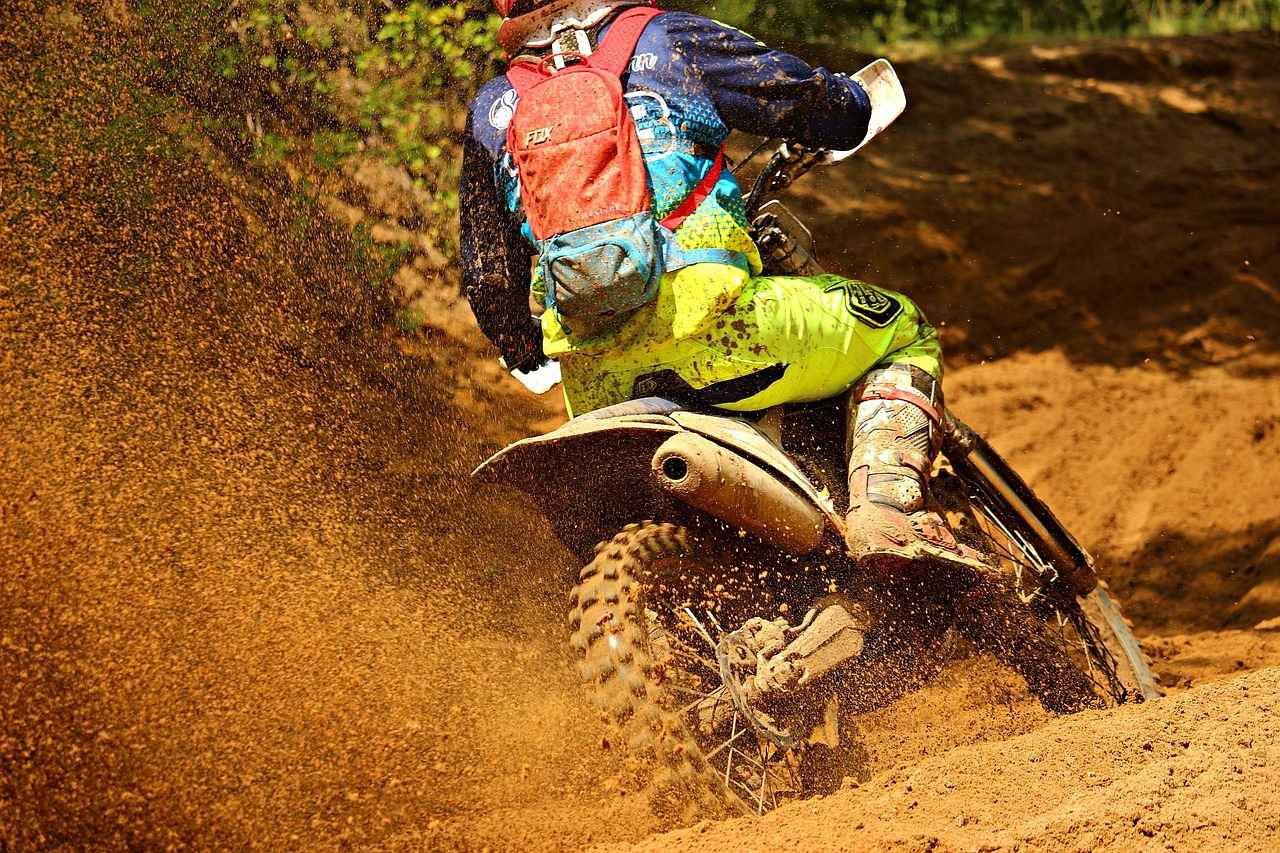
Maintaining a dirt bike is essential for ensuring its longevity and optimal performance. For young riders and their guardians, understanding the basics of dirt bike maintenance can lead to safer rides and fewer mechanical issues. Here are some practical tips and routine maintenance tasks that should be performed regularly.
Regular maintenance not only extends the life of your dirt bike but also enhances safety and performance. A well-maintained bike is less likely to break down during a ride, which can prevent accidents and injuries. Additionally, routine checks can help identify potential problems before they become serious.
- Oil Changes: Regular oil changes are crucial for engine health. Check the oil level frequently and change it according to the manufacturer’s recommendations, usually every 10-20 hours of riding.
- Air Filter Cleaning: A clean air filter ensures optimal airflow to the engine. Inspect and clean the air filter every few rides, especially in dusty conditions.
- Tire Checks: Ensure that the tires are properly inflated and have adequate tread. Check for any punctures or damage before every ride.
- Chain Maintenance: Clean and lubricate the chain regularly to prevent wear and ensure smooth operation. Adjust the tension as needed.
- Brake Inspection: Regularly check the brake pads and fluid levels. Replace worn pads and ensure the brake system is functioning properly.
Service intervals can vary depending on the bike and riding conditions. However, a general guideline is:
- Every 10-20 Hours: Perform basic maintenance tasks like oil changes and air filter cleaning.
- Every 30 Hours: Check the suspension and brakes, and inspect the wheels and tires for damage.
- Every 50 Hours: Consider a more thorough inspection by a professional mechanic, including checking the engine and transmission.
Having the right tools on hand can make maintenance tasks easier. Essential tools include:
- Socket set
- Wrenches
- Oil filter wrench
- Air filter cleaning kit
- Chain cleaning and lubrication tools
Yes, young riders can perform many basic maintenance tasks with proper guidance. It’s a great way to learn about their bike and develop responsibility. Guardians should supervise and teach them how to carry out these tasks safely.
In conclusion, proper maintenance is the backbone of a dirt bike’s longevity. By incorporating these routine tasks into your riding schedule, young riders can enjoy a safer and more reliable biking experience.
What Are the Basic Maintenance Tasks Every Rider Should Know?
Maintaining a dirt bike is essential for ensuring optimal performance and longevity. For young riders, understanding basic maintenance tasks not only enhances the bike’s performance but also fosters a sense of responsibility and care. Below, we delve into the fundamental maintenance tasks every rider should be familiar with to keep their dirt bike in top shape.
Regular oil changes are critical for the health of your dirt bike’s engine. Oil lubricates the engine components, reducing friction and preventing overheating. It is recommended to change the oil every 10-15 hours of riding or at least once a month, depending on usage. Always use the oil type specified in your bike’s manual to ensure optimal performance.
The air filter plays a vital role in maintaining engine efficiency by preventing dirt and debris from entering the engine. A clogged air filter can lead to reduced performance and increased fuel consumption. It is advisable to clean the air filter every 2-4 rides, especially if riding in dusty conditions. Regular cleaning involves removing the filter, washing it with soap and water, and allowing it to dry completely before reinstallation.
Proper tire maintenance is crucial for safety and performance. Riders should regularly check tire pressure, tread depth, and for any visible damage. Maintaining the correct tire pressure not only enhances grip but also improves fuel efficiency. It is recommended to check tire pressure before every ride and inspect the tires for wear and tear monthly. Replace tires that show significant wear to ensure safe handling.
The chain is an essential component that transfers power from the engine to the wheels. Regularly checking and lubricating the chain can prevent premature wear and ensure smooth operation. It is advisable to clean and lubricate the chain every 3-5 rides and adjust its tension as needed. A well-maintained chain enhances performance and extends the life of your dirt bike.
Brakes are a critical safety feature on any dirt bike. Riders should routinely inspect brake pads for wear and ensure that the brake fluid is at the appropriate level. Squeaking or grinding noises can indicate that the brake pads need replacing. It is recommended to check the brakes before every ride to ensure they are functioning correctly.
Keeping your dirt bike clean not only improves its appearance but also prevents dirt and grime from causing mechanical issues. After each ride, wipe down the bike to remove mud and debris, paying special attention to the chain, air filter, and brakes. A clean bike runs more efficiently and can help identify potential problems early.
While basic maintenance can be done by most riders, some tasks require professional expertise. If you notice unusual noises, vibrations, or performance issues, it’s wise to consult a professional mechanic. Regular servicing by a qualified technician can help catch problems before they become serious, ensuring the bike remains safe and reliable.
By understanding and performing these basic maintenance tasks, young riders can significantly enhance their dirt bike’s performance and safety. Regular upkeep not only extends the life of the bike but also provides riders with a deeper connection to their machine, fostering a greater appreciation for the sport.
How Often Should You Service Your Dirt Bike?
Maintaining your dirt bike is essential not only for its longevity but also for ensuring your safety while riding. Regular servicing plays a crucial role in keeping your bike performing at its best. This section will explore how often you should service your dirt bike, what to expect during a professional service appointment, and the benefits of adhering to a maintenance schedule.
Regular servicing is vital for several reasons:
- Safety: A well-maintained bike reduces the risk of mechanical failures that could lead to accidents.
- Performance: Routine checks ensure that your bike operates smoothly and efficiently.
- Longevity: Regular maintenance can extend the lifespan of your dirt bike, saving you money in the long run.
It’s essential to follow a service schedule based on your bike’s usage. Here are general guidelines:
- Every 5-10 hours of riding: Check the oil level and change it if necessary. Clean or replace the air filter to ensure optimal airflow.
- Every 15-20 hours: Inspect the chain and sprockets for wear and adjust or replace as needed. Check tire pressure and tread depth.
- Every 30 hours: A more thorough inspection should include checking the brakes, suspension, and electrical components.
- Seasonally: Before and after the riding season, conduct a complete service, including flushing the coolant and inspecting all major components.
When you take your dirt bike in for a professional service, here’s what typically happens:
- Inspection: Technicians will perform a comprehensive inspection of your bike, checking for any signs of wear or damage.
- Fluid Changes: The oil, coolant, and brake fluid will be checked and changed as needed to maintain optimal performance.
- Adjustments: They will adjust the suspension settings, chain tension, and brake systems to ensure everything is functioning correctly.
- Recommendations: After the service, the technician will provide recommendations for any additional repairs or parts that may need attention.
Adhering to a regular maintenance schedule offers numerous benefits:
- Peace of Mind: Knowing your bike is in good condition allows you to focus on enjoying your ride.
- Increased Resale Value: A well-maintained bike retains its value better than one that has been neglected.
- Improved Riding Experience: A bike that runs smoothly enhances your overall riding experience, making it more enjoyable.
In conclusion, regular servicing of your dirt bike is crucial for safety, performance, and longevity. By following recommended service intervals and understanding what to expect during a professional service appointment, you can ensure that your riding experience remains safe and enjoyable. Remember, investing time and effort into maintenance today will pay off in the future.
Frequently Asked Questions
- What age do I need to be to own a dirt bike?
In most regions, you can own a dirt bike at 14, but it’s essential to check local laws as they can vary.
- Do I need a motorcycle license to ride a dirt bike at 14?
Yes, many states require a motorcycle permit or license for riders under 18. Always verify the requirements in your area.
- What steps do I need to take to get a motorcycle permit?
To obtain a motorcycle permit, you’ll typically need to complete an application, provide identification, and pass a written test.
- Are there training courses for young riders?
Absolutely! Many regions offer training courses that teach essential riding skills and safety practices, which are highly recommended.
- How much does it cost to get a motorcycle permit?
The cost can vary, but you should budget for application fees, training course fees, and testing fees, which can add up.
- What type of insurance do I need for my dirt bike?
Liability insurance is usually required, but you might also consider comprehensive coverage for added protection.
- How do I choose the right dirt bike for my size?
Consider your height and weight when selecting a dirt bike, as well as the engine size to ensure comfort and control.
- What safety gear should I wear while riding?
Always wear a quality helmet, gloves, boots, and protective pads to keep yourself safe while enjoying your ride.
- How often should I maintain my dirt bike?
Regular maintenance is key! Aim for routine checks every few rides and schedule professional servicing at least once a year.