

This article provides practical strategies and tips for removing the lingering taste of cigars from your mouth. Discover effective methods to refresh your palate and enhance your oral hygiene.
Understanding the components of cigars can help you appreciate why their taste lingers. Cigars contain various flavors and oils that can stick to your palate, leading to a persistent aftertaste. The rich, complex flavors of tobacco, combined with the smoke, create a residue that can be challenging to eliminate.
Maintaining good oral hygiene is crucial for eliminating unwanted tastes. Regular brushing, flossing, and using mouthwash can significantly reduce the cigar taste and promote overall freshness.
Utilizing the correct brushing techniques can enhance your oral freshness. Focus on your tongue and the roof of your mouth, where cigar residues often accumulate and contribute to bad taste. Use a soft-bristled toothbrush and brush for at least two minutes.
Opt for toothpaste with strong flavoring agents like mint or citrus. These flavors can effectively mask the cigar taste and provide a refreshing sensation after brushing. Look for whitening toothpaste as well, as it can help remove stains caused by smoking.
Incorporating a quality mouthwash into your routine can help eliminate stubborn odors. Look for mouthwashes with antibacterial properties to combat the bacteria that contribute to bad breath. Swish for at least 30 seconds for maximum effect.
Flossing is essential for removing food particles and residues that brushing might miss. Regular flossing can help clear out any lingering cigar remnants stuck between your teeth, ensuring a cleaner mouth.
If you prefer natural solutions, several remedies can help neutralize the cigar taste. Herbs and common kitchen ingredients can be effective in refreshing your mouth.
Drinking herbal teas like peppermint or green tea can help cleanse your palate. These teas not only freshen your breath but also provide antioxidants beneficial for oral health. Enjoying a warm cup can also be soothing after smoking.
Chewing sugar-free gum or mints can stimulate saliva production, aiding in the removal of unwanted tastes. Opt for flavors that are strong and refreshing to combat the cigar aftertaste. Look for options that include xylitol for added oral health benefits.
Staying hydrated is essential for maintaining oral health. Drinking plenty of water can help wash away lingering flavors and keep your mouth feeling fresh.
Water is a natural cleanser for your mouth. Drinking water after smoking can help dilute and wash away the remnants of cigar smoke, contributing to a fresher taste. Aim for at least eight glasses of water a day to stay hydrated.
Consider infusing your water with fruits like lemon or cucumber. These flavors can provide a refreshing twist while helping to neutralize the cigar taste lingering in your mouth. Infused water can be a delightful alternative to sugary beverages.
If the cigar taste persists despite your efforts, it may be time to consult a dental professional. Understanding when to seek help is crucial for maintaining oral health and freshness.
Persistent bad taste may indicate underlying dental issues. A dentist can help identify any problems and recommend appropriate treatments to restore your oral health. Regular check-ups are essential for prevention.
Regular dental cleanings can help remove tartar and plaque buildup that contribute to bad taste. Professional treatments ensure your mouth stays fresh and healthy, reducing the likelihood of lingering odors. Schedule cleanings at least twice a year for optimal results.

What Causes the Lingering Cigar Taste?
When enjoying a cigar, many enthusiasts find themselves savoring the rich flavors and aromas that accompany the experience. However, one common aftereffect is the lingering taste that can persist long after the last puff. Understanding what causes this phenomenon can help you appreciate the complexity of cigars and find effective ways to refresh your palate.
The lingering taste of cigars can be attributed to several components found within them. Cigars are crafted from a blend of tobacco leaves, each contributing distinct flavors and oils. These elements not only enhance the smoking experience but can also lead to a persistent aftertaste.
- Tobacco Varietals: Different types of tobacco, such as Connecticut Shade or Honduran, provide unique flavor profiles. Each varietal has its own set of oils and compounds that can cling to your palate.
- Flavor Infusions: Some cigars are infused with flavors like chocolate, coffee, or spices, which can intensify the lingering taste. These flavors can be quite potent and may stick around longer than the cigar itself.
- Oils and Resins: The natural oils and resins found in tobacco are responsible for the rich flavors but also contribute to the aftertaste. These oils can coat the mouth, making it challenging to eliminate the taste without proper care.
Furthermore, the way a cigar is smoked can also impact the lingering taste. Factors such as smoking technique, humidity, and storage conditions can influence how much of the flavor adheres to your palate. For instance, a cigar that is overly moist may release more oils, resulting in a stronger aftertaste.
Understanding these components allows cigar aficionados to appreciate the complexity of their chosen smoke. It also highlights the importance of maintaining proper oral hygiene post-smoking to combat the residual flavors effectively.
To mitigate the lingering taste, consider incorporating specific oral hygiene practices into your routine. Regular brushing, flossing, and the use of mouthwash are essential for removing any remnants that may cling to your teeth and tongue.
Moreover, being aware of the flavors and oils present in cigars can enhance your overall smoking experience. By recognizing the elements that contribute to the lingering taste, you can make more informed choices about the cigars you select and how you care for your oral health afterward.
In summary, the lingering taste of cigars is a result of their complex composition, including various tobacco types, flavor infusions, and natural oils. Understanding these factors can help you appreciate the artistry behind cigars while also providing insights into how to effectively refresh your palate.
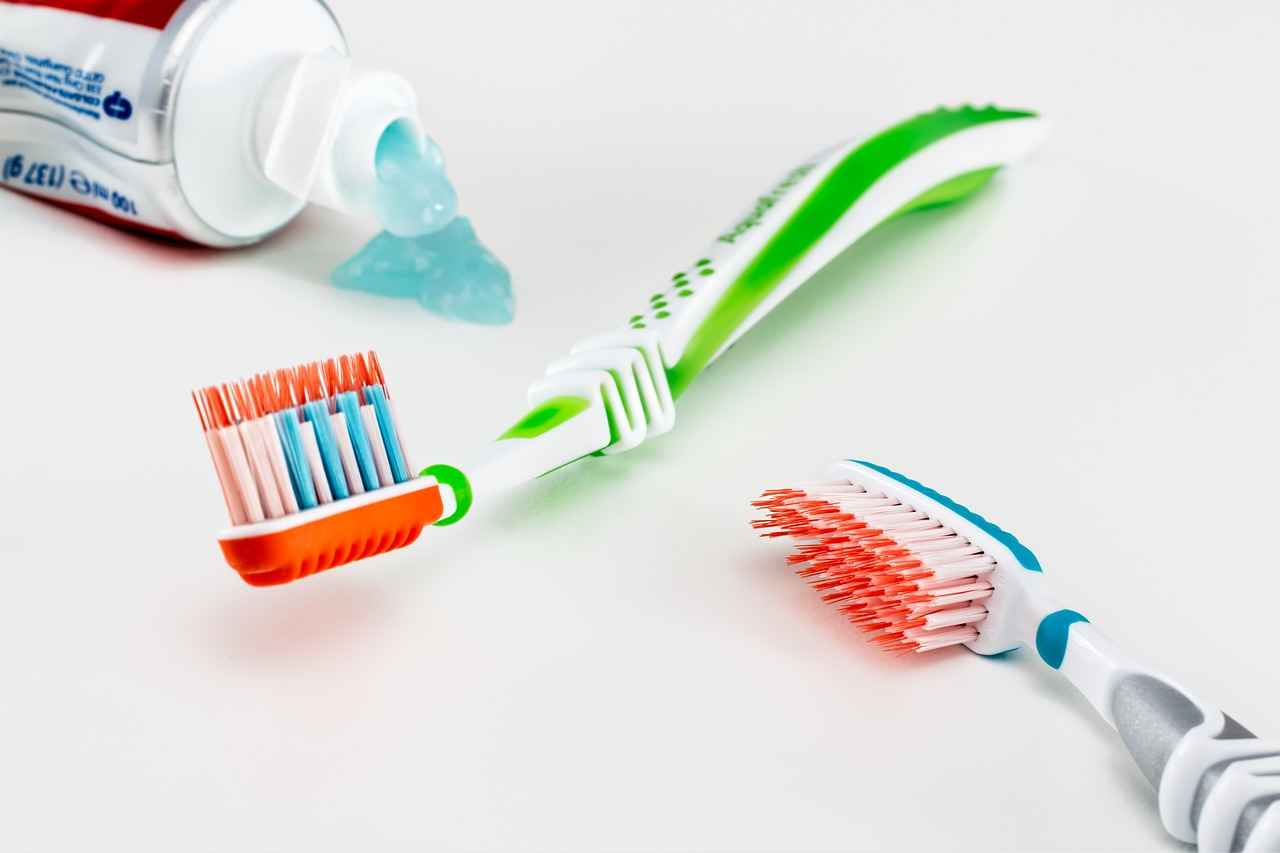
Effective Oral Hygiene Practices
Maintaining optimal oral hygiene is essential for a variety of reasons, particularly when it comes to eliminating unwanted tastes like that of cigars. The lingering flavor can be unpleasant and may affect your overall enjoyment of food and beverages. By adopting effective oral hygiene practices, you can significantly reduce this aftertaste and promote a healthier mouth.
Oral hygiene goes beyond just having a bright smile; it plays a critical role in ensuring fresh breath. Bacteria in the mouth can produce foul odors and contribute to bad tastes. Regular oral care routines, including brushing, flossing, and rinsing, are vital in keeping these bacteria at bay.
Brushing your teeth is the cornerstone of any effective oral hygiene routine. It is recommended to brush at least twice a day for two minutes each time. Focus on the following:
- Technique: Use a soft-bristled toothbrush and fluoride toothpaste. Angle your brush at 45 degrees to the gums and use gentle circular motions.
- Areas to Target: Don’t forget to brush your tongue and the roof of your mouth, as these areas can harbor cigar residues that contribute to lingering tastes.
Flossing is often overlooked but is crucial for removing food particles and plaque that brushing alone may miss. Regular flossing helps eliminate the remnants of cigars stuck between teeth, reducing the chances of developing bad breath.
Incorporating a quality mouthwash into your oral hygiene routine can greatly enhance freshness. Look for mouthwashes that contain:
- Antibacterial Properties: These help combat bacteria responsible for bad breath.
- Refreshing Flavors: Mint or citrus-flavored mouthwashes can provide an immediate burst of freshness.
If you prefer natural solutions, consider these effective remedies:
- Herbal Teas: Drinking herbal teas, such as peppermint or green tea, can help cleanse your palate and provide antioxidants beneficial for oral health.
- Chewing Gum: Opt for sugar-free gum to stimulate saliva production, which aids in washing away unwanted tastes.
Hydration is key to maintaining a fresh mouth. Drinking water helps wash away lingering flavors and keeps saliva production steady, which is essential for oral health.
Your diet can significantly impact your oral hygiene. Foods high in sugar can promote bacteria growth, leading to bad breath. Incorporating crunchy fruits and vegetables can help clean your teeth naturally and freshen your breath.
If you find that the cigar taste persists despite your diligent oral care, it may be time to consult a dental professional. Persistent bad taste can indicate underlying dental issues that require attention. Regular dental check-ups can help ensure that your mouth remains healthy and free from persistent odors.
By following these effective oral hygiene practices, you can significantly reduce the unpleasant taste of cigars and maintain a fresh, clean mouth. Remember, consistency is key to achieving optimal oral health!
Brushing Techniques for Freshness
Maintaining a fresh mouth is essential, especially for those who enjoy cigars. The correct brushing techniques can significantly enhance your oral freshness and help eliminate the unpleasant aftertaste that can linger long after smoking. Here are some effective strategies to consider:
- Brush Your Teeth Thoroughly: Start by using a soft-bristled toothbrush to gently clean your teeth. Make sure to brush for at least two minutes, covering all surfaces of your teeth. This includes the outer, inner, and chewing surfaces.
- Don’t Forget Your Tongue: The tongue is often overlooked during brushing. However, it can harbor bacteria and residues from cigars. Use your toothbrush or a dedicated tongue scraper to gently clean your tongue, focusing on the back where residues tend to accumulate.
- Clean the Roof of Your Mouth: Just like your tongue, the roof of your mouth can trap unwanted flavors. Gently brushing the palate can help dislodge any lingering cigar residues, contributing to a fresher taste.
- Use Circular Motions: When brushing, use small circular motions rather than back-and-forth strokes. This technique can effectively remove plaque and debris while being gentle on your gums.
- Don’t Rush the Process: Take your time while brushing. Rushing can lead to missed spots and ineffective cleaning. Aim for at least two minutes of thorough brushing.
In addition to these techniques, the choice of toothpaste plays a crucial role in enhancing your oral freshness. Opt for toothpaste that contains strong flavoring agents, such as mint or citrus, which can effectively mask any lingering cigar taste. Look for products that also contain antibacterial properties to combat the bacteria that contribute to bad breath.
Moreover, incorporating mouthwash into your routine can further amplify your efforts. A quality mouthwash not only helps eliminate stubborn odors but also provides an added layer of protection against bacteria and plaque. Choose a mouthwash that is alcohol-free to avoid drying out your mouth, which can lead to an increase in bad breath.
Another essential aspect of oral hygiene is flossing. Flossing is vital for removing food particles and residues that brushing might miss, especially in between your teeth. Regular flossing helps clear out any lingering cigar remnants, ensuring a cleaner mouth overall.
By employing these brushing techniques and maintaining a consistent oral hygiene routine, you can effectively combat the lingering taste of cigars and enjoy a fresher mouth. Remember, a healthy mouth not only feels good but also contributes to your overall well-being.
Choosing the Right Toothpaste
When it comes to maintaining oral hygiene, the choice of toothpaste plays a crucial role, especially if you’re dealing with the lingering taste of cigars. can significantly enhance your brushing experience and improve your overall freshness.
The flavor of your toothpaste is not just about personal preference; it serves a functional purpose as well. Strong flavoring agents, such as mint or citrus, can effectively mask unpleasant tastes, including those left behind by cigars. These flavors provide a refreshing sensation that can invigorate your mouth after brushing.
- Flavor Strength: Opt for toothpaste that boasts strong flavoring agents. Mint is a classic choice, known for its ability to leave a cool, fresh feeling in your mouth. Citrus flavors, on the other hand, can provide a zesty kick that revitalizes your palate.
- Whitening Properties: Some toothpastes are designed to remove stains, which can be particularly beneficial if you’re a cigar smoker. Look for options that contain baking soda or activated charcoal.
- Fluoride Content: Ensure your toothpaste contains fluoride, which is essential for strengthening tooth enamel and preventing cavities.
The right flavor can make a significant difference in your brushing routine. A toothpaste with a strong flavor can motivate you to brush for the recommended two minutes, ensuring a thorough clean. Additionally, the refreshing taste can linger long after brushing, helping to combat any residual cigar taste.
While a strong flavor can help mask the taste of cigars, it’s important to recognize that it won’t address underlying oral health issues. If you’re experiencing persistent bad breath or a lingering cigar taste, it may be indicative of a more serious problem. Regular dental check-ups are essential for maintaining oral health.
To maximize the effectiveness of your toothpaste, consider combining it with other oral hygiene practices:
- Use Mouthwash: After brushing, follow up with a mouthwash that contains antibacterial properties to further eliminate odors.
- Floss Daily: Flossing helps remove food particles and plaque that brushing alone may miss, ensuring a complete clean.
- Stay Hydrated: Drink plenty of water throughout the day to help wash away lingering tastes and promote saliva production.
In conclusion, choosing the right toothpaste is a fundamental aspect of your oral hygiene routine, especially for those who smoke cigars. Look for options with strong flavoring agents like mint or citrus to effectively mask unpleasant tastes and provide a refreshing sensation. Remember, while toothpaste can significantly improve your oral freshness, it should be part of a comprehensive oral care regimen that includes regular brushing, flossing, and dental visits.
Using Mouthwash Effectively
When it comes to maintaining oral hygiene and combating unpleasant tastes, can make a significant difference. Many individuals overlook this essential step in their oral care routine, yet it plays a crucial role in achieving a fresh and clean mouth. In this section, we will explore the benefits of mouthwash, how to choose the right one, and tips for maximizing its effectiveness.
Mouthwash serves as a powerful tool in your oral hygiene arsenal. Not only does it help to combat bad breath, but it also provides additional benefits:
- Reduces plaque buildup: Certain mouthwashes contain antibacterial properties that help eliminate plaque-forming bacteria.
- Promotes gum health: Regular use can help prevent gum disease by reducing inflammation and bacteria.
- Freshens breath: Mouthwash can instantly refresh your breath, making it a great option after meals or smoking.
When selecting a mouthwash, it’s essential to consider its ingredients and intended purpose:
- Antibacterial properties: Look for mouthwashes that contain ingredients like chlorhexidine or cetylpyridinium chloride, which are effective in reducing bacteria.
- Alcohol-free options: If you have sensitive gums or a dry mouth, opt for alcohol-free formulas that provide moisture without irritation.
- Fluoride content: Mouthwashes with fluoride can help strengthen enamel and prevent cavities, making them an excellent choice for overall dental health.
To maximize the benefits of mouthwash, follow these simple steps:
- Measure the right amount: Use the recommended dosage as indicated on the label, usually about 20 milliliters.
- Swish thoroughly: Gargle the mouthwash for at least 30 seconds, ensuring it reaches all areas of your mouth, including between teeth and along the gum line.
- Do not rinse with water: After spitting out the mouthwash, avoid rinsing with water for at least 30 minutes to allow the active ingredients to continue working.
Incorporating mouthwash into your daily routine can be beneficial at various times:
- After meals: Using mouthwash after eating can help eliminate food particles and combat lingering odors.
- Before bed: A nighttime rinse can help reduce bacteria growth while you sleep.
- After smoking: Using mouthwash after smoking cigars or cigarettes can help neutralize the taste and odor left behind.
While mouthwash is a great addition to your oral care, avoid these common pitfalls:
- Overusing mouthwash: Excessive use can lead to mouth irritation or changes in the oral microbiome.
- Relying solely on mouthwash: Mouthwash should complement brushing and flossing, not replace them.
- Ignoring the label: Always follow the instructions on the mouthwash label for best results.
Incorporating a quality mouthwash into your routine can help eliminate stubborn odors and enhance your overall oral health. By choosing the right product and using it effectively, you can enjoy a fresher mouth and improved dental hygiene.
Flossing to Remove Residue
Flossing is a crucial aspect of oral hygiene that often gets overlooked. While brushing your teeth is vital for maintaining a clean mouth, it is flossing that truly helps to remove food particles and residues that brushing might miss. This is especially important after enjoying a cigar, as the remnants can easily become lodged between teeth, leading to unpleasant tastes and potential dental issues.
When you smoke cigars, the flavors and oils can create a film that sticks to your teeth and gums. This residue can contribute to a lingering taste that brushing alone may not eliminate. Flossing plays a significant role in clearing out any lingering cigar remnants that may be stuck between your teeth. By incorporating regular flossing into your oral care routine, you can enhance your overall freshness and maintain better oral health.
To maximize the benefits of flossing, it’s essential to use the correct technique. Here’s how to do it effectively:
- Choose the Right Floss: Use waxed dental floss, as it glides more easily between tight spaces.
- Take Enough Floss: Use about 18 inches of floss, winding most of it around your middle fingers, leaving a few inches to work with.
- Gently Insert the Floss: Slide the floss between your teeth using a gentle sawing motion. Avoid snapping it, as this can damage your gums.
- Curve the Floss: Once the floss is between your teeth, curve it into a C-shape against one tooth and gently slide it up and down.
- Repeat: Move to the next tooth and repeat the process, making sure to floss both sides of each tooth.
For optimal oral health, it is recommended to floss at least once a day. This practice is especially important after smoking cigars, as it helps to remove any particles that may have accumulated during the experience. Regular flossing not only improves your breath but also reduces the risk of gum disease and cavities.
If traditional flossing is difficult for you, consider using alternatives such as:
- Floss Picks: These are easy to use and can be more convenient for those on the go.
- Water Flossers: These devices use a stream of pulsating water to remove debris and are particularly effective for individuals with braces or dental work.
- Interdental Brushes: These small brushes can effectively clean between teeth and are a great option for those who struggle with traditional floss.
To make flossing a more enjoyable part of your daily routine, consider the following tips:
- Set a Reminder: Incorporate flossing into your daily routine by setting a reminder on your phone.
- Use Flavored Floss: Choose flavored dental floss to make the experience more pleasant.
- Pair with Other Oral Care: Flossing can be more effective when paired with mouthwash or brushing.
In conclusion, regular flossing is essential for maintaining oral hygiene, especially for cigar smokers. By following these tips and techniques, you can ensure that your mouth stays fresh and free from lingering tastes. Embrace the habit of flossing, and enjoy the benefits of a cleaner, healthier mouth.

Natural Remedies to Freshen Your Breath
When it comes to combating the unpleasant aftertaste of cigars, many individuals seek natural remedies that can effectively neutralize this lingering flavor. Utilizing herbs and common kitchen ingredients not only refreshes your mouth but also promotes overall oral hygiene. Below are some effective natural solutions to help you achieve a fresher breath.
Many people prefer natural solutions due to their accessibility and fewer side effects compared to commercial products. Ingredients found in your kitchen or garden can offer a safe and effective way to combat unwanted tastes.
- Peppermint: Known for its strong flavor, peppermint can mask bad odors effectively. Chewing fresh peppermint leaves or drinking peppermint tea can provide immediate relief.
- Parsley: This common herb is not only a garnish but also a natural breath freshener. Its high chlorophyll content helps neutralize odors.
- Basil: Another herb worth considering, basil has antibacterial properties that can help combat the bacteria responsible for bad breath.
Incorporating certain fruits and vegetables into your diet can significantly improve your breath:
- Apples: The crunchiness of apples stimulates saliva production, which helps wash away food particles and bacteria.
- Carrots: Similar to apples, raw carrots can act as a natural toothbrush, helping to scrub away debris from your teeth.
- Lemons: The acidity of lemons can help neutralize odors. Drinking lemon water can refresh your mouth and stimulate saliva flow.
Creating your own mouth rinse can be a simple and effective way to freshen your breath:
- Saltwater Rinse: Dissolve a teaspoon of salt in warm water and swish it around your mouth. This solution can help kill bacteria and soothe your gums.
- Baking Soda Rinse: Mix a teaspoon of baking soda in water. This natural deodorizer can neutralize acidity and combat bad breath.
Staying well-hydrated is crucial for maintaining fresh breath. Water helps to wash away food particles and bacteria that contribute to bad odors. Aim to drink at least 8 glasses of water a day. Consider infusing your water with:
- Cucumber: Adds a refreshing taste while also hydrating.
- Mint leaves: Enhances the flavor and adds a cooling sensation.
Chewing sugar-free gum or mints can stimulate saliva production, which is essential for neutralizing odors. Look for options containing:
- Xylitol: This natural sweetener can inhibit bacteria growth and promote oral health.
- Strong flavors: Opt for peppermint or cinnamon to effectively combat the cigar aftertaste.
Utilizing these natural remedies can significantly enhance your breath freshness and help eliminate the unpleasant aftertaste of cigars. By incorporating herbs, fruits, and effective rinses into your routine, you can enjoy a more pleasant oral experience. Remember, maintaining good hydration and practicing regular oral hygiene are also vital components of fresh breath.
Herbal Teas for Refreshment
After enjoying a cigar, many individuals seek effective ways to cleanse their palate and eliminate the lingering taste. One of the most enjoyable and beneficial methods is drinking herbal teas. Herbal teas such as peppermint and green tea not only provide a refreshing experience but also offer numerous health benefits that can enhance your oral hygiene.
Why Choose Herbal Teas?
- Natural Freshness: Herbal teas are renowned for their ability to freshen breath. The aromatic properties of these teas can neutralize unpleasant odors, making them an excellent choice after smoking.
- Antioxidant Properties: Both peppermint and green tea are rich in antioxidants. These compounds help combat free radicals in the body, contributing to overall health and wellness.
- Promoting Saliva Production: Drinking herbal tea stimulates saliva flow, which is crucial for rinsing away food particles and bacteria that can cause bad breath.
The Power of Peppermint Tea
Peppermint tea is particularly effective for refreshing the palate. Its strong menthol flavor not only masks bad tastes but also has antibacterial properties that can help reduce oral bacteria. This makes it a great option for those looking to improve their oral hygiene after smoking.
Green Tea: A Healthy Alternative
On the other hand, green tea is celebrated for its numerous health benefits. It contains catechins, a type of antioxidant that has been shown to reduce inflammation and improve overall oral health. Regular consumption of green tea can help prevent gum disease and cavities, making it a smart choice for maintaining fresh breath.
How to Prepare Herbal Teas
- Brewing Tips: To maximize the benefits of herbal teas, brew them using fresh ingredients. Steep the tea leaves or bags in hot water for 5-7 minutes to extract the full flavor and health benefits.
- Enhancing Flavor: Consider adding a slice of lemon or a touch of honey to your herbal tea. Lemon adds a zesty flavor and can further aid in cleansing your palate, while honey provides natural sweetness.
Incorporating Herbal Teas into Your Routine
To make the most of the refreshing properties of herbal teas, try incorporating them into your daily routine. Enjoy a cup after meals or as a mid-afternoon pick-me-up. Not only will this help eliminate unwanted tastes, but it will also contribute to your overall hydration and well-being.
Conclusion
In summary, drinking herbal teas like peppermint and green tea is an excellent strategy for refreshing your palate after smoking cigars. These teas not only provide a delightful taste but also offer significant health benefits, making them a valuable addition to your oral hygiene routine. By regularly enjoying these herbal beverages, you can maintain a fresh mouth and promote better overall health.
Chewing Gum and Mints
After enjoying a cigar, many individuals are often left with an unpleasant aftertaste that can linger long after the last puff. One effective way to combat this is through the use of chewing sugar-free gum or mints. These simple yet effective solutions can play a significant role in refreshing your palate and eliminating unwanted tastes.
Chewing gum or sucking on mints stimulates saliva production, which is essential for maintaining oral health. Saliva acts as a natural cleanser, helping to wash away food particles and neutralize acids in the mouth. This is particularly important after smoking a cigar, as the residual flavors and oils can cling to your palate.
When selecting gum or mints, it is advisable to opt for flavors that are strong and refreshing. Varieties such as peppermint, spearmint, or cinnamon can effectively combat the lingering cigar aftertaste. These flavors not only mask the unpleasant taste but also provide a cooling sensation that can invigorate your mouth.
Choosing sugar-free gum or mints is crucial for several reasons:
- Dental Health: Sugar can contribute to tooth decay and cavities. Sugar-free options help maintain oral hygiene while freshening breath.
- Calorie Control: Sugar-free products typically contain fewer calories, making them a healthier choice for those watching their diet.
- Longer Lasting Freshness: Many sugar-free gums are designed to last longer, providing extended relief from bad tastes.
To maximize the benefits of chewing gum or using mints, consider the following tips:
- Keep Them Handy: Always have a pack of gum or mints in your bag or car, especially if you know you’ll be smoking.
- Chew or Suck After Smoking: Make it a habit to chew gum or suck on a mint immediately after finishing your cigar to combat the aftertaste effectively.
- Pair with Other Freshening Techniques: Combine gum or mints with other oral hygiene practices, such as brushing and rinsing with mouthwash, for optimal results.
If you’re looking for natural alternatives, consider using herbs like parsley or mint leaves. Chewing on fresh herbs can also stimulate saliva production and help neutralize bad tastes. Additionally, green tea is known for its antioxidants and can contribute to a fresher mouth.
Incorporating sugar-free gum or mints into your routine after smoking cigars can significantly enhance your oral freshness. By selecting strong flavors and prioritizing sugar-free options, you can effectively combat the lingering cigar taste while also promoting better oral health. Remember, maintaining good oral hygiene and staying hydrated are equally important in your quest for a fresh mouth.

Hydration: The Key to a Fresh Mouth
Maintaining optimal oral health requires attention to various factors, and one of the most critical aspects is hydration. Many people underestimate the role that water plays in keeping the mouth fresh and clean. In this section, we will explore how staying hydrated can significantly contribute to a fresher mouth and overall oral hygiene.
Hydration is essential because it helps to produce saliva, which is your mouth’s natural defense against bacteria and food particles. Saliva contains enzymes that aid in digestion and help wash away food debris, reducing the risk of cavities and bad breath. When you are dehydrated, saliva production decreases, leading to a dry mouth, which can exacerbate unpleasant tastes, including those caused by cigars.
Water acts as a natural cleanser for your mouth. After smoking a cigar, drinking water can help dilute and wash away the remnants of smoke, oils, and flavors that linger on your palate. This process not only refreshes your mouth but also helps to restore balance in your oral ecosystem by flushing out harmful bacteria.
- Improved Saliva Production: Adequate hydration ensures that your body produces enough saliva to combat bad breath and keep your mouth moist.
- Enhanced Flavor Neutralization: Drinking water can help neutralize strong flavors, making it easier to enjoy food and beverages without the interference of lingering tastes.
- Reduced Risk of Oral Diseases: Staying hydrated can help prevent dry mouth, which is linked to various oral health issues, including gum disease and tooth decay.
The amount of water you need can vary based on activity level, climate, and individual health conditions. However, a general guideline is to aim for at least 8-10 glasses of water per day. This can be adjusted based on your specific needs. Remember that hydration can also come from foods high in water content, such as fruits and vegetables.
If plain water seems boring, consider infusing it with fruits and herbs. Lemon, cucumber, and mint not only add flavor but also provide additional health benefits. For example, lemon water can help to alkalize your body, while cucumber is refreshing and hydrating.
- Carry a Water Bottle: Keep a reusable water bottle with you to encourage regular sipping throughout the day.
- Set Reminders: Use apps or alarms to remind yourself to drink water, especially if you tend to forget.
- Limit Sugary Drinks: While soda and juice are tasty, they can contribute to dehydration and bad breath. Opt for water whenever possible.
If you notice persistent bad breath or an unpleasant taste in your mouth despite adequate hydration, it may be time to consult a dental professional. They can help identify any underlying issues and provide tailored advice to improve your oral health.
In conclusion, staying hydrated is a simple yet effective method to maintain a fresh mouth and promote better oral health. By understanding the importance of water and implementing practical hydration strategies, you can significantly enhance your overall well-being.
The Role of Water in Oral Hygiene
Maintaining oral hygiene is essential for overall health, and one of the most effective yet often overlooked methods is hydration. Water plays a crucial role in keeping your mouth clean and fresh, especially after smoking cigars. In this section, we will explore how water acts as a natural cleanser, its benefits for oral health, and practical tips for incorporating hydration into your routine.
Water serves as a natural cleanser for your mouth by diluting and washing away residues left from food, drinks, and smoke. After smoking a cigar, the remnants can cling to your palate and tongue, leading to an unpleasant aftertaste. Drinking water helps to flush out these particles, contributing to a fresher taste and improving your overall oral hygiene.
- Reduces Bad Breath: Adequate hydration helps produce saliva, which is essential for neutralizing acids and washing away food particles that cause bad breath.
- Prevents Dry Mouth: A dry mouth can lead to an increase in bacteria, which contributes to bad breath and other oral health issues. Drinking enough water keeps your mouth moist and reduces the risk of dry mouth.
- Supports Gum Health: Proper hydration helps maintain healthy gums by supporting the natural processes that keep your mouth clean and free from harmful bacteria.
The amount of water each person needs can vary based on factors such as age, weight, and activity level. However, a general guideline is to aim for at least 8-10 cups of water per day. If you smoke cigars or consume alcohol, you may need to increase your intake to counteract the dehydrating effects of these substances.
- Carry a Water Bottle: Keep a refillable water bottle with you throughout the day to encourage regular sipping.
- Set Reminders: Use your phone or a timer to remind you to drink water at regular intervals.
- Infuse Your Water: Add slices of fruits like lemon, cucumber, or mint to your water for added flavor, making it more enjoyable to drink.
While beverages like coffee and soda may seem refreshing, they can contribute to dehydration and may not effectively cleanse your mouth. Water is the best choice for maintaining oral hygiene and ensuring a fresh taste after smoking. Opting for water instead of sugary or caffeinated drinks can significantly improve your oral health.
If you notice persistent bad taste or discomfort in your mouth despite staying hydrated, it may be a sign of underlying dental issues. Consulting a dental professional can help identify any problems and provide appropriate treatments to restore your oral health.
In conclusion, water is a vital component of oral hygiene. By drinking enough water, you can effectively cleanse your mouth, reduce bad breath, and maintain overall oral health. Make hydration a priority in your daily routine to enjoy a fresher mouth and improved well-being.
Infused Waters for Enhanced Flavor
When it comes to refreshing your palate, infused waters can be a delightful and beneficial choice. Not only do they provide hydration, but they also offer a burst of flavor that can help neutralize any lingering tastes, such as those from cigars. By incorporating fruits and herbs into your water, you can create a revitalizing drink that enhances your overall drinking experience.
Infused waters are an excellent alternative to sugary beverages and can be tailored to suit your taste preferences. The process of infusing water with fruits like lemon, cucumber, and even herbs like mint can transform plain water into a refreshing drink that not only quenches your thirst but also helps in cleansing your palate.
- Hydration: Infused waters encourage increased water intake, essential for maintaining oral health.
- Flavor Variety: They allow you to enjoy different flavors without added sugars or calories.
- Detoxification: Ingredients like lemon and cucumber can aid in detoxifying your body.
- Refreshing Experience: The vibrant flavors can help mask unpleasant tastes, such as those from cigars.
Creating your own infused water is simple and can be done in a few easy steps:
- Choose your base: Start with fresh, cold water.
- Select your ingredients: Popular options include sliced lemons, cucumbers, strawberries, and mint leaves.
- Combine: Add the fruits and herbs to your water. For a stronger flavor, let it sit in the refrigerator for a few hours.
- Enjoy: Serve chilled and enjoy the refreshing taste.
Experimenting with different combinations can yield exciting results. Here are a few popular mixes to try:
- Lemon and Mint: A classic combination that provides a zesty and refreshing taste.
- Cucumber and Basil: This blend offers a cool and slightly peppery flavor.
- Strawberry and Kiwi: A sweet and fruity mix that’s perfect for summer.
- Orange and Rosemary: A unique pairing that adds a fragrant twist to your water.
To get the most out of your infused waters, consider the following tips:
- Use Fresh Ingredients: Fresh fruits and herbs will provide the best flavor and health benefits.
- Experiment with Timing: Allowing the infusion to sit longer can intensify the flavors; however, be cautious with delicate ingredients like berries.
- Try Sparkling Water: Using sparkling water instead of still can add a fun twist to your infusion.
Infusing your water with fruits and herbs not only enhances the flavor but also serves as a natural method to cleanse your palate after enjoying a cigar. This refreshing twist can help neutralize lingering tastes, making your hydration experience both enjoyable and beneficial. So, the next time you find yourself with a cigar aftertaste, reach for a glass of infused water and relish the flavors!

When to Seek Professional Help
Maintaining oral health is essential, especially for those who enjoy cigars. While many strategies can help eliminate the lingering taste of cigars, there may come a time when your efforts yield little to no results. Understanding when to seek professional help is crucial for ensuring your mouth remains healthy and fresh.
If you find that the unpleasant cigar taste persists despite your best efforts with brushing, rinsing, and using natural remedies, it may be time to consult a dental professional. Here are some signs that indicate you should seek help:
- Persistent Bad Breath: If bad breath continues even after practicing good oral hygiene, it could be a sign of underlying issues.
- Unusual Taste Sensations: A consistent metallic or bitter taste can indicate dental problems or gum disease.
- Gum Irritation or Bleeding: If your gums are swollen, red, or bleed when brushing, it’s crucial to get a professional evaluation.
- Tooth Sensitivity: Increased sensitivity to hot or cold foods may suggest dental decay or erosion.
Regular dental cleanings are vital for maintaining oral health. These cleanings help remove tartar and plaque that regular brushing might miss. A dental professional can:
- Thoroughly Clean Your Teeth: Professional tools can eliminate stubborn residues that contribute to bad taste.
- Identify Problem Areas: Dentists can spot early signs of cavities or gum disease that might not be visible to the untrained eye.
- Provide Tailored Advice: Dentists can recommend personalized oral hygiene routines based on your specific needs.
Sometimes, the persistent taste of cigars can be a symptom of more serious dental issues. Here are a few conditions that may require professional intervention:
- Gum Disease: This condition can lead to serious oral health problems if left untreated, including tooth loss.
- Cavities: Decay can cause a foul taste and must be addressed promptly to prevent further damage.
- Oral Infections: Infections in the mouth can lead to a persistent bad taste and require immediate treatment.
If your dental professional identifies a specific issue, they may recommend seeing a specialist. For example:
- Periodontist: For severe gum disease, a periodontist specializes in treating conditions affecting the gums.
- Oral Surgeon: If extraction or surgery is necessary, an oral surgeon can provide the appropriate care.
After addressing the current issue, it’s essential to implement preventive measures to avoid future complications. Regular check-ups, good oral hygiene practices, and lifestyle changes can significantly contribute to maintaining oral health. Here are some tips:
- Schedule Regular Dental Visits: Aim for at least two visits a year to ensure your mouth stays healthy.
- Practice Good Oral Hygiene: Brush twice a day, floss daily, and use mouthwash to keep your mouth fresh.
- Limit Cigar Use: Reducing the frequency of cigar smoking can minimize the chances of lingering tastes and oral health issues.
In summary, while there are many ways to combat the lingering taste of cigars, it’s essential to recognize when professional help is necessary. By staying vigilant and proactive about your oral health, you can maintain a fresh mouth and prevent potential dental issues.
Identifying Underlying Issues
Experiencing a persistent bad taste in your mouth can be more than just an annoyance; it may signal underlying dental issues that require attention. Understanding the potential causes and seeking professional help is crucial for maintaining your overall oral health.
Several factors can contribute to a bad taste that lingers in your mouth. These may include:
- Dental Problems: Tooth decay, gum disease, or infections can lead to unpleasant tastes.
- Dry Mouth: Reduced saliva production can affect your mouth’s ability to cleanse itself, allowing tastes to linger.
- Medication Side Effects: Certain medications can alter taste perception or cause dry mouth.
- Dietary Choices: Foods with strong flavors or high sugar content can leave an aftertaste.
If you find yourself grappling with a persistent bad taste, consulting a dental professional is essential. A dentist can perform a thorough examination to identify any underlying issues. Here’s how they can assist:
- Comprehensive Oral Examination: Your dentist will assess your teeth and gums for signs of decay or disease.
- X-rays: Imaging can help reveal problems not visible during a standard examination.
- Diagnosis: Identifying the root cause of the bad taste is crucial for effective treatment.
- Personalized Treatment Plans: Depending on the diagnosis, your dentist may recommend fillings, cleanings, or other treatments to improve your oral health.
While occasional bad taste can be common, certain symptoms should prompt immediate dental consultation:
- Severe Pain: If you experience significant discomfort alongside the bad taste.
- Swelling or Bleeding: These symptoms may indicate gum disease or infection.
- Changes in Taste: A sudden change in taste can also be a sign of a more serious issue.
To maintain oral health and prevent issues that lead to bad taste, consider the following practices:
- Regular Dental Check-ups: Routine visits to your dentist can help catch problems early.
- Good Oral Hygiene: Brushing twice daily and flossing can keep your mouth clean and fresh.
- Stay Hydrated: Drinking water can help wash away food particles and bacteria.
- Limit Sugary Foods: Reducing sugar intake can decrease the risk of cavities and bad taste.
In summary, a persistent bad taste in your mouth is often a symptom of underlying dental issues that should not be ignored. Regular dental visits and good oral hygiene practices are key to preventing these problems and ensuring a healthy, fresh mouth. Always consult with a dental professional if you have concerns about your oral health.
Professional Cleanings and Treatments
Maintaining optimal oral health is essential for everyone, especially for those who enjoy cigars. One of the most effective ways to ensure your mouth stays fresh and free from unpleasant odors is through regular professional cleanings and treatments. These sessions not only help in removing tartar and plaque buildup but also play a significant role in enhancing your overall dental hygiene.
Professional dental cleanings are crucial for several reasons. Over time, plaque—a sticky film of bacteria—accumulates on your teeth and can harden into tartar if not removed. This buildup can lead to bad breath and contribute to a persistent bad taste in your mouth. Regular cleanings help eliminate these issues, ensuring your mouth feels clean and fresh.
It is generally recommended to visit your dentist for a cleaning every six months. However, individuals who smoke cigars or have specific dental concerns may benefit from more frequent visits. Consulting with your dentist can help determine the best schedule for your needs.
- Initial Examination: Your dentist will begin with an examination of your teeth and gums to identify any issues.
- Tartar Removal: Using specialized tools, the dental hygienist will carefully remove tartar from your teeth.
- Polishing: After tartar removal, your teeth will be polished with a gritty toothpaste to remove surface stains and promote shine.
- Fluoride Treatment: A fluoride treatment may be applied to strengthen your enamel and help prevent cavities.
Beyond just a clean mouth, professional dental treatments offer numerous benefits:
- Improved Oral Health: Regular cleanings reduce the risk of gum disease and cavities.
- Fresh Breath: Removing plaque and tartar helps combat bad breath, leaving your mouth feeling refreshed.
- Early Detection of Issues: Dentists can spot potential problems early, allowing for timely intervention.
After your cleaning, it’s normal to experience a temporary sensitivity to hot or cold foods and drinks. However, this should subside within a few days. Your mouth may also feel exceptionally clean, and you might notice an improvement in your overall breath freshness.
While professional cleanings are essential, maintaining good oral hygiene at home is equally important. Here are some tips:
- Brush Twice Daily: Use fluoride toothpaste and brush for at least two minutes.
- Floss Daily: Flossing removes food particles and plaque from between your teeth, where a toothbrush can’t reach.
- Use Mouthwash: An antibacterial mouthwash can help reduce bacteria and freshen your breath.
In conclusion, regular professional cleanings and treatments are vital for maintaining oral health, especially for cigar enthusiasts. By prioritizing these visits and adopting a thorough home care routine, you can significantly reduce the likelihood of bad tastes and odors in your mouth, ensuring a fresh and healthy smile.
Frequently Asked Questions
- What is the best way to eliminate the cigar taste from my mouth?
The most effective way to get rid of the cigar taste is through a combination of good oral hygiene practices. Regularly brushing your teeth, flossing, and using mouthwash can significantly help. Additionally, drinking plenty of water and chewing sugar-free gum can also aid in refreshing your palate.
- Are there any natural remedies to help with the cigar aftertaste?
Absolutely! Natural remedies like herbal teas, especially peppermint or green tea, can cleanse your palate. Chewing on fresh herbs like mint or parsley can also work wonders. These natural options not only freshen your breath but are also great for your overall oral health.
- How important is hydration in maintaining fresh breath?
Hydration is key! Drinking water helps wash away food particles and lingering flavors from cigars. Staying hydrated also promotes saliva production, which is essential for a fresh mouth. Infusing your water with fruits like lemon or cucumber can add a refreshing twist while neutralizing unwanted tastes.
- When should I see a dentist about persistent bad taste?
If the bad taste lingers despite your best efforts with home remedies and oral hygiene, it might be time to visit a dentist. A professional can identify any underlying issues and provide treatments to restore your oral health and freshness.