

This article delves into effective spiritual practices designed for teenagers eager to strengthen their relationship with God. As young individuals navigate the complexities of life, it becomes essential to find ways to enhance their faith journey. Below are some actionable steps and insights that can help teenagers connect more deeply with their spirituality during these formative years.
Spiritual growth is crucial for teenagers as it provides a sense of purpose and direction. During these years of self-discovery, understanding one’s faith can foster resilience against challenges, enhance emotional well-being, and create a foundation for lifelong values.
Prayer serves as a vital practice in developing a relationship with God. Here are some techniques that resonate with teenagers:
- Spontaneous Prayer: Encourage teens to speak freely to God about their day, feelings, and concerns.
- Structured Prayer: Using specific prayers or formats can help provide clarity and focus.
- Group Prayer: Joining others in prayer can create a sense of community and shared faith.
Establishing a personal prayer routine can offer structure and consistency. Here are some tips:
- Find the Right Time: Encourage teens to identify a time of day that works best for them, whether in the morning or before bed.
- Set Intentions: Starting with a clear intention can enhance the prayer experience.
- Incorporate Different Styles: Mixing various prayer styles—such as meditation, journaling, or singing—can keep the practice engaging.
Meditation is a powerful tool for connecting with God. It can enhance spiritual awareness, reduce stress, and promote inner peace. Techniques like mindfulness can help teenagers focus on the present moment, allowing them to experience a deeper connection with their spirituality.
Participating in community activities can significantly enhance a teenager’s spiritual journey. Engaging with others in faith-based settings fosters a sense of belonging and support. Here are ways to get involved:
- Join a Youth Group: These groups provide a supportive environment for exploring faith, building friendships, and engaging in service.
- Volunteer: Serving others allows teenagers to live out their faith practically, deepening their understanding of compassion.
Studying scripture is vital for understanding God’s teachings. Here are effective methods for teenagers to engage with biblical texts:
- Choose the Right Bible: Selecting a version that resonates with teens can enhance their reading experience.
- Creative Study Approaches: Methods like journaling, group discussions, and multimedia resources can make learning more engaging.
Building a personal relationship with God requires intention and effort. Here are practical steps:
- Journaling: This reflective practice can enhance spiritual growth by helping teens record their thoughts and prayers.
- Identify Challenges: Recognizing and addressing spiritual challenges is crucial for growth. Strategies to overcome these obstacles can ensure a thriving spiritual life.
In summary, teenagers have unique opportunities to deepen their relationship with God through various spiritual practices. By exploring prayer, meditation, community involvement, and scripture study, they can cultivate a rich and meaningful faith journey.

Why is Spiritual Growth Important for Teenagers?
Understanding the significance of spiritual growth is crucial for teenagers as they navigate the complexities of adolescence. During this transformative period, teenagers encounter numerous challenges, from academic pressures to social dynamics. Embracing spiritual growth can serve as a guiding light, helping them develop resilience and a stronger sense of self.
Firstly, spiritual growth fosters resilience. Teenagers often face setbacks and disappointments, whether in friendships, academics, or personal endeavors. By cultivating a spiritual foundation, they can learn to view challenges as opportunities for growth. This perspective shift enables them to bounce back more effectively from adversity, fostering a sense of strength that will benefit them throughout their lives.
Moreover, spiritual growth provides a sense of purpose. In a world filled with distractions and uncertainties, having a clear sense of purpose can be incredibly empowering. Teenagers who engage in spiritual practices often report feeling more connected to their values and beliefs, which can guide their decisions and actions. This sense of direction is vital as they make choices that shape their futures.
In addition to resilience and purpose, spiritual growth enhances emotional well-being. Many teenagers experience heightened emotions and stress during these formative years. By engaging in spiritual practices such as prayer, meditation, or reflection, they can cultivate inner peace and emotional stability. These practices encourage self-awareness and mindfulness, allowing teenagers to process their feelings in a healthy manner.
| Benefits of Spiritual Growth | Description |
|---|---|
| Resilience | Helps teenagers bounce back from setbacks and challenges. |
| Purpose | Provides a sense of direction and clarity in decision-making. |
| Emotional Well-being | Enhances self-awareness and promotes mental health. |
Furthermore, engaging in spiritual growth can lead to a greater sense of community. Many spiritual practices encourage connection with others, whether through youth groups, community service, or shared worship experiences. These connections can provide vital support networks, helping teenagers feel less isolated during a time when they may struggle with feelings of loneliness or confusion.
It’s also important to note that spiritual growth can help teenagers develop a moral framework. As they explore their beliefs and values, they begin to understand the importance of ethical decision-making and the impact of their actions on others. This moral grounding is essential as they transition into adulthood, shaping them into responsible and compassionate individuals.
In summary, the importance of spiritual growth for teenagers cannot be overstated. It equips them with the tools to navigate life’s challenges, fosters resilience, instills a sense of purpose, and enhances emotional well-being. By embracing spiritual practices, teenagers can cultivate a fulfilling and meaningful life, setting a strong foundation for their future.

What Are Effective Prayer Techniques for Teens?
Prayer is a foundational practice in building a relationship with God. For teenagers, engaging in prayer can be both a comforting and transformative experience. It allows them to express their thoughts, feelings, and desires in a safe space, fostering a deeper connection with their faith. This section explores various effective prayer techniques tailored for teens, helping them to communicate authentically with God.
Understanding and employing different prayer techniques can enhance a teenager’s spiritual journey. These techniques not only promote personal expression but also help in developing a consistent practice that resonates with their unique experiences and emotions.
- Structured Prayer: This method involves following a specific format, such as ACTS (Adoration, Confession, Thanksgiving, Supplication). This structure can help teens organize their thoughts and ensure they cover all aspects of their prayer life.
- Spontaneous Prayer: Encouraging teens to speak freely to God can foster a sense of intimacy. This technique allows them to express their feelings and concerns in real time, making their prayers more personal and heartfelt.
- Written Prayer: Journaling prayers can be a powerful tool. Writing down thoughts, feelings, and prayers helps teens articulate their emotions and reflect on their spiritual growth over time.
- Prayer Walks: Combining physical activity with prayer can be invigorating. Taking a walk while talking to God can help clear the mind and deepen the prayer experience, allowing for a connection with nature and spirituality simultaneously.
- Group Prayer: Joining a prayer group can provide a sense of community. Sharing prayers with peers can enhance their faith journey, offering support and encouragement from others who are on a similar path.
Establishing a personal prayer routine is crucial for consistency. Here are some tips:
- Find the Right Time: Identify a time that works best for you, whether it’s in the morning, during lunch, or before bed.
- Set Intentions: Before praying, take a moment to set your intentions. What do you hope to achieve through your prayer? This can guide your thoughts.
- Incorporate Different Styles: Mix various prayer techniques to keep your routine engaging. For instance, alternate between spontaneous prayers and structured prayers to maintain interest.
Meditation can be a powerful complement to prayer. By practicing mindfulness, teens can quiet their minds and open their hearts to receive divine guidance. This practice can also help reduce stress and enhance spiritual awareness, making prayer more meaningful.
In conclusion, effective prayer techniques are essential for teenagers looking to deepen their relationship with God. By exploring various methods and establishing a personal prayer routine, teens can navigate their spiritual journey with confidence and authenticity.
How to Create a Personal Prayer Routine?
Creating a personal prayer routine is essential for teenagers looking to deepen their spiritual connection. A consistent prayer practice not only fosters a sense of discipline but also allows for a more profound relationship with God. Here are some practical tips to help establish a meaningful prayer routine.
- Find the Right Time: Identifying a specific time for prayer can enhance the experience. Whether it’s early in the morning, during lunch breaks, or before bedtime, consistency is key. Choose a time when you can be free from distractions and fully focus on your prayers.
- Set Clear Intentions: Before you begin praying, take a moment to set your intentions. Reflect on what you want to achieve through your prayer. Are you seeking guidance, expressing gratitude, or asking for strength? Clear intentions can help you stay focused and make your prayers more meaningful.
- Incorporate Different Styles of Prayer: There are various styles of prayer that can enrich your experience. Consider incorporating:
- Spontaneous Prayer: Speak to God in your own words, sharing your thoughts and feelings authentically.
- Written Prayers: Write down your prayers in a journal. This can help you articulate your feelings more clearly and serve as a reflective practice.
- Scripted Prayers: Use traditional prayers that resonate with you. These can provide structure and comfort.
- Meditative Prayer: Spend time in silence, focusing on your breath and being present with God. This can help cultivate mindfulness and deepen your connection.
- Create a Prayer Space: Designate a specific area in your home for prayer. This space should be comfortable and free from distractions. Personalize it with items that inspire you, such as candles, religious symbols, or meaningful quotes.
- Utilize Technology: In today’s digital age, consider using apps or online resources that can guide your prayer practice. Many apps offer daily prayers, scripture readings, and reminders to help you stay consistent.
Establishing a personal prayer routine is not just about the act of praying; it’s about creating a sacred space for communication with God. As you develop this routine, be patient with yourself. Spiritual growth is a journey, and consistency will lead to deeper connections over time. Remember, the goal is to foster a relationship with God that is genuine and fulfilling.
What Role Does Meditation Play in Spirituality?
Meditation has emerged as a transformative practice for individuals seeking to deepen their spiritual connection, particularly among teenagers. In a fast-paced world filled with distractions, meditation offers a pathway to inner peace and a stronger relationship with God. This practice encourages mindfulness, allowing individuals to focus on the present moment, which can significantly enhance their spiritual awareness.
Meditation serves as a bridge to spiritual growth by fostering a deeper understanding of oneself and one’s relationship with the divine. Through regular practice, teenagers can cultivate a heightened sense of awareness about their thoughts and feelings, which facilitates a more profound connection to God. This self-awareness helps in recognizing the divine presence in everyday life, leading to a more fulfilling spiritual journey.
In addition to enhancing spiritual awareness, meditation is renowned for its ability to reduce stress. Teenagers often face numerous pressures, from academic expectations to social dynamics. Engaging in mindfulness meditation can help alleviate anxiety and promote a sense of calm. By dedicating time to meditate, young people can create a mental space that allows them to recharge and reflect, ultimately leading to a more balanced life.
Inner peace is a vital component of spiritual well-being. Meditation encourages individuals to quiet their minds and connect with their inner selves, fostering a serene state of being. This tranquility can help teenagers navigate the challenges of adolescence with grace and resilience. Regular meditation practice can also instill a sense of gratitude, allowing young people to appreciate the blessings in their lives and strengthen their faith.
- Guided Meditation: This involves listening to a narrator who leads the meditation process, making it easier for beginners to focus.
- Mindfulness Meditation: This practice encourages individuals to observe their thoughts and feelings without judgment, promoting acceptance and understanding.
- Breathing Exercises: Simple breathing techniques can help calm the mind and center the spirit, making it an accessible form of meditation.
Starting a meditation practice can be straightforward and rewarding. Here are some practical steps:
- Find a Quiet Space: Choose a comfortable and quiet place where you can meditate without interruptions.
- Set a Time Limit: Begin with short sessions, perhaps 5-10 minutes, and gradually increase the duration as you become more comfortable.
- Focus on Your Breath: Pay attention to your breathing, allowing thoughts to come and go without getting attached to them.
- Use Resources: Consider using apps or online videos that offer guided meditations tailored for teenagers.
Incorporating meditation into daily life can profoundly impact a teenager’s spiritual journey. By dedicating time to connect with God through meditation, young people can cultivate a deeper understanding of their faith, reduce stress, and experience a greater sense of inner peace. As they navigate the complexities of adolescence, these practices can serve as essential tools for maintaining spiritual health and well-being.
How Can Community Involvement Strengthen Faith?
Engaging in community activities is a transformative experience for teenagers, particularly in their spiritual journeys. When young people participate in faith-based community initiatives, they not only grow personally but also foster a collective sense of purpose and belonging. This section delves into how community involvement can significantly enhance a teenager’s faith and spiritual growth.
Community engagement allows teenagers to connect with others who share similar beliefs and values. It creates a supportive environment where they can explore their spirituality openly. This sense of belonging is crucial during adolescence, as it helps them navigate the complexities of life and faith.
By participating in community activities, teenagers can build meaningful relationships with peers and mentors. These connections often lead to a deeper understanding of their faith. Activities such as group prayers, Bible studies, and community service projects offer opportunities for young people to share their thoughts and experiences, fostering a sense of unity.
Youth groups serve as a vital support system for teenagers. Here are some key benefits:
- Mentorship: Experienced leaders can guide young people in their spiritual journeys.
- Friendship: Building friendships with like-minded peers can enhance their faith experience.
- Service Opportunities: Engaging in community service helps teenagers put their faith into action.
Volunteering is an excellent way for teenagers to practice their faith. When they serve others, they develop a deeper sense of compassion and empathy, which are essential aspects of spiritual growth. This hands-on experience teaches them the importance of selflessness and love, core tenets of many faiths.
Being part of a faith community provides teenagers with a network of support. This connection can help them navigate challenges, both spiritual and personal. When they face difficulties, having a community to turn to can make a significant difference in their ability to cope and grow.
Parents play a crucial role in encouraging their teenagers to engage with their faith communities. Here are some ways they can support this involvement:
- Lead by Example: Parents should actively participate in community activities, demonstrating the value of engagement.
- Provide Opportunities: Encourage teenagers to join local youth groups or volunteer organizations.
- Discuss Experiences: Engage in conversations about their experiences in community activities to foster interest.
Community involvement can lead to significant personal growth for teenagers. It encourages them to develop leadership skills, boosts their confidence, and helps them discover their passions. These experiences not only enrich their spiritual lives but also prepare them for future challenges.
In summary, participating in community activities is a powerful way for teenagers to strengthen their faith. By engaging with others in supportive, faith-based settings, they cultivate a sense of belonging, develop meaningful relationships, and deepen their understanding of their spiritual journey.
What Are the Benefits of Youth Groups?
Youth groups play a pivotal role in the spiritual development of teenagers, offering a unique space for them to explore their faith in a supportive environment. These groups are more than just social gatherings; they provide a foundation for personal growth, connection, and service to others. Below, we delve into the numerous benefits that youth groups offer to young individuals seeking to deepen their spiritual journey.
One of the most significant advantages of youth groups is the opportunity for mentorship. Experienced leaders and older peers often guide younger members, sharing their wisdom and life experiences. This mentorship helps teenagers navigate the complexities of faith and life, allowing them to ask questions and seek advice in a safe space. The presence of mentors can inspire confidence and encourage young people to develop their spiritual identities.
Friendship is another vital benefit of youth groups. As teenagers bond over shared beliefs and experiences, they form deep connections that can last a lifetime. These friendships provide emotional support during challenging times, fostering a sense of belonging. Being part of a community where everyone shares similar values can significantly enhance a teenager’s self-esteem and overall well-being.
Engaging in service projects is a hallmark of many youth groups. These activities allow teenagers to put their faith into action by helping others in their communities. Whether volunteering at local shelters or organizing charity events, these experiences teach valuable lessons about compassion and empathy. Serving others not only strengthens their relationship with God but also instills a sense of responsibility and purpose.
Participating in youth groups encourages personal growth. Teenagers are often challenged to step out of their comfort zones, whether through public speaking, leading discussions, or participating in group activities. These experiences build confidence and help young people develop essential life skills, such as teamwork and communication. Additionally, youth groups often incorporate spiritual practices, such as prayer and Bible study, which further enrich their faith journey.
In a world filled with uncertainties, youth groups offer a safe space for teenagers to explore their beliefs. They can express doubts, share struggles, and seek guidance without fear of judgment. This openness fosters a culture of acceptance and understanding, allowing young people to grow spiritually and emotionally. The discussions that take place in these groups often lead to profound insights and a deeper understanding of faith.
Being part of a youth group also means having a built-in support system. Members encourage one another to stay committed to their spiritual practices and personal goals. This accountability can be crucial for teenagers, helping them to remain focused on their faith amidst life’s distractions. Regular meetings and activities create a routine that reinforces their spiritual journey.
In conclusion, youth groups are invaluable for teenagers seeking to explore and deepen their faith. By providing mentorship, fostering friendships, encouraging service, and creating a safe space for exploration, these groups play a crucial role in shaping the spiritual lives of young individuals. Engaging with peers in a supportive environment not only enhances their understanding of faith but also equips them with the tools necessary for personal growth and development.
How Can Volunteering Enhance Spiritual Growth?
Engaging in volunteer work is a profound way for teenagers to express their faith and develop a deeper understanding of their spirituality. By actively serving others, young people not only contribute to their communities but also embark on a journey of personal and spiritual growth.
When teenagers volunteer, they are often faced with diverse situations that challenge their perspectives and foster compassion. This hands-on experience allows them to witness the struggles and triumphs of those they serve, deepening their empathy and understanding. As they interact with individuals from various backgrounds, they learn the importance of kindness and the impact of their actions. This growth in compassion is a fundamental aspect of spiritual development, as it aligns closely with many religious teachings about love and service.
Moreover, volunteering provides a unique opportunity for teenagers to strengthen their relationship with God. Many faith traditions emphasize the importance of serving others as a reflection of one’s devotion to God. By putting their faith into action, teenagers can experience a sense of fulfillment and purpose that comes from helping those in need. This sense of purpose can be transformative, guiding them toward a more meaningful and spiritually enriched life.
Additionally, volunteering often fosters a sense of community and belonging. When teenagers work alongside others who share similar values, they build lasting friendships and connections. This supportive network can be invaluable during the often tumultuous teenage years, providing a safe space for spiritual exploration and growth. Being part of a community that encourages service can reinforce their commitment to their faith and inspire them to continue their spiritual journey.
Incorporating volunteer work into their lives also allows teenagers to practice essential life skills such as leadership, teamwork, and communication. These skills are not only beneficial for personal development but also serve to enhance their spiritual journey. As they take on roles of responsibility and work collaboratively with others, they can see how their actions contribute to a greater good, reinforcing the idea that they are part of something larger than themselves.
Furthermore, volunteering can serve as a form of spiritual reflection. After engaging in service, teenagers can take time to reflect on their experiences, considering how they felt, what they learned, and how it relates to their faith. This practice of reflection can deepen their understanding of their beliefs and inspire them to seek out further opportunities for growth.
In conclusion, volunteering is an invaluable tool for teenagers seeking to enhance their spiritual growth. By serving others, they cultivate compassion, strengthen their relationship with God, and build a supportive community. The experiences gained through volunteering not only enrich their spiritual journey but also equip them with life skills that will benefit them throughout their lives. As they engage in this meaningful work, teenagers can discover a profound sense of purpose and connection that will guide them on their path of faith.

What Role Does Scripture Study Play in Spiritual Development?
Understanding the Bible is essential for anyone seeking to deepen their relationship with God, especially for teenagers navigating their formative years. Scripture study serves as a crucial component of spiritual development, offering insights into God’s teachings and principles. This section delves into effective methods for teenagers to engage with biblical texts, fostering a deeper connection to their faith.
Engaging with scripture allows teenagers to explore their beliefs and understand the moral and ethical guidelines laid out in the Bible. This understanding can help them make informed decisions and cultivate a sense of purpose in their lives. Furthermore, scripture study can provide comfort and guidance during challenging times, reinforcing the idea that they are not alone in their struggles.
To foster a genuine connection with biblical texts, teenagers can adopt various methods that resonate with their learning styles. Here are some effective strategies:
- Interactive Bible Study: Joining a youth group or study circle can make learning more engaging. Group discussions allow for diverse perspectives, encouraging deeper understanding.
- Creative Journaling: Keeping a journal of reflections, prayers, and insights gained from reading can help solidify understanding and personal application of scripture.
- Multimedia Resources: Utilizing apps, podcasts, or videos related to scripture can enhance comprehension and make learning enjoyable.
Incorporating creativity into scripture study can significantly enhance engagement. Here are a few ideas:
- Artistic Expression: Drawing or painting scenes from scripture can help visualize stories and connect emotionally with the text.
- Scripture Memorization: Learning verses by heart can deepen understanding and provide comfort in everyday situations. Consider using flashcards or memory apps.
- Role-Playing: Acting out biblical stories can make them more relatable and memorable. This method is particularly effective in group settings.
Selecting a Bible that resonates with teenagers is crucial for fostering a love for scripture. Here are some tips:
- Choose a Modern Translation: Versions like the New International Version (NIV) or the New Living Translation (NLT) are often more accessible for young readers.
- Look for Study Bibles: Bibles with commentary or study notes can provide context and explanations that enhance understanding.
- Consider Themed Bibles: Some Bibles are tailored for specific interests, such as devotionals for teens, which can make reading more appealing.
Regular engagement with scripture not only enhances knowledge but also nurtures spiritual growth. As teenagers reflect on biblical teachings, they can apply these lessons to their lives, leading to a more profound faith experience. This connection can foster resilience, helping them to navigate life’s challenges with confidence.
Moreover, scripture study encourages teenagers to ask questions and seek answers, promoting a lifelong journey of faith exploration. By understanding God’s word, they can build a solid foundation for their beliefs, guiding them through the complexities of adolescence and beyond.
In conclusion, the role of scripture study in spiritual development cannot be overstated. By adopting effective methods to engage with biblical texts, teenagers can cultivate a deeper connection to their faith, enhancing their overall spiritual journey.
How to Choose the Right Bible for Teens?
Choosing the right Bible for teenagers is essential in fostering a meaningful spiritual experience. With numerous versions available, it can be overwhelming to find one that resonates with young readers. Below are some important tips to guide you in selecting a Bible that is accessible, relatable, and engaging.
The Bible serves as a foundational text for understanding faith and spirituality. For teenagers, a version that speaks their language can make a significant difference in their ability to connect with the teachings. A relatable Bible encourages engagement and reflection, making spiritual growth more attainable during these formative years.
- Language Style: Look for a version that uses contemporary language. Translations like the New Living Translation (NLT) or New International Version (NIV) are often more relatable for younger audiences.
- Study Aids: Many teen Bibles come with helpful features such as footnotes, explanatory notes, and illustrations that can enhance understanding and retention.
- Devotional Content: Some Bibles include devotionals or reflections designed specifically for teens, which can help them apply biblical teachings to their daily lives.
- Size and Format: Consider the physical size and format of the Bible. A lightweight, compact edition may be more appealing for on-the-go reading.
To ensure the Bible resonates with teenagers, it’s crucial to assess its relatability. Here are some ways to do this:
- Read Sample Passages: Encourage teens to read excerpts from different versions. This will help them determine which translation feels most comfortable and understandable.
- Seek Recommendations: Ask peers or youth leaders for their suggestions. Personal recommendations can often lead to finding a Bible that others have found valuable.
- Check Online Reviews: Look for reviews from other teens or parents online. This can provide insight into how well a particular Bible has resonated with its intended audience.
Several Bible versions are specifically designed for younger readers. Here are a few popular choices:
- The Adventure Bible: This version is filled with fun illustrations and engaging facts that make reading the Bible an exciting adventure.
- The Message: A paraphrase of the Bible that uses contemporary language, making it highly relatable for today’s youth.
- Teen Study Bible: This Bible includes features tailored for teens, such as quizzes, profiles of biblical figures, and insights that apply to everyday life.
Once a suitable Bible is selected, encouraging regular reading is crucial. Here are some tips:
- Create a Reading Plan: Help teens establish a reading schedule that fits their lifestyle, making it easier to incorporate Bible study into their daily routine.
- Join a Group: Encourage participation in a youth group or Bible study. Discussing scripture with peers can enhance understanding and create a sense of community.
- Use Technology: Consider Bible apps that offer daily verses, reading plans, and interactive features to make scripture study more engaging.
In conclusion, selecting the right Bible for teenagers is a pivotal step in their faith journey. By considering language, features, and relatability, you can help young readers connect with scripture in a meaningful way. This not only enhances their reading experience but also fosters a deeper relationship with God.
What Are Creative Ways to Study the Bible?
Engaging with the Bible can be a transformative experience, especially for teenagers who are navigating their faith journey. Creative methods for Bible study can enhance understanding and make learning more enjoyable. This section explores several innovative approaches that can help young people connect with scripture on a deeper level.
- Journaling: Keeping a journal can be a powerful way to process thoughts and feelings related to Bible passages. Encourage teens to write reflections, prayers, or even artistic interpretations of what they read. This practice not only deepens their understanding but also allows for personal expression.
- Group Discussions: Engaging in group discussions can foster a sense of community and shared learning. Organizing a Bible study group where teens can discuss their interpretations and insights can lead to richer conversations and a more profound understanding of scripture.
- Multimedia Resources: Incorporating multimedia resources such as videos, podcasts, or apps can make Bible study more dynamic. There are numerous platforms that offer engaging content, including animated Bible stories or interactive quizzes, which can help maintain interest and enhance comprehension.
- Artistic Expression: Using art as a form of study can be particularly appealing to creative teens. Encourage them to create visual representations of their favorite verses or stories, whether through painting, drawing, or digital media. This method allows for a personal connection to the text.
- Role-Playing: Role-playing biblical stories can be a fun and interactive way to engage with scripture. Teens can act out parables or significant events, which helps them understand the context and emotions involved in the narratives.
- Nature Walks: Combining Bible study with nature can provide a refreshing perspective. Taking a walk in a natural setting while reflecting on scriptures about creation can enhance spiritual awareness and appreciation for God’s work.
By incorporating these creative methods, teenagers can transform their Bible study into a more engaging and meaningful experience. Each approach offers unique benefits, allowing for personal growth and a deeper connection to their faith. Encourage young people to explore these techniques and discover what resonates with them the most, fostering a lifelong love for scripture and spiritual development.

How to Cultivate a Personal Relationship with God?
Building a personal relationship with God is not a one-time event but rather a transformative journey that requires both intention and effort. For teenagers, this journey can be particularly significant as they navigate the complexities of adolescence. This section outlines practical steps that young people can take to deepen their connection with God through various spiritual practices.
Understanding the importance of a personal relationship with God can provide teenagers with a sense of purpose and direction. It fosters resilience, enabling them to face life’s challenges with confidence and grace. Additionally, a strong spiritual foundation can enhance emotional well-being, helping them to cultivate a positive mindset during these formative years.
- Establish a Daily Prayer Routine: Setting aside dedicated time each day for prayer can create a consistent practice that fosters connection. Whether it’s in the morning or before bed, find a time that works best for you.
- Engage in Scripture Study: Reading and reflecting on scripture can provide insight into God’s teachings. Choose passages that resonate with your life and contemplate their meaning.
- Practice Gratitude: Keeping a gratitude journal can help teens focus on the blessings in their lives. Regularly writing down things they are thankful for can shift their perspective and draw them closer to God.
- Participate in Community Worship: Engaging with others in worship can strengthen a teenager’s faith. Attend services, youth groups, or Bible studies to connect with like-minded peers.
Meditation and mindfulness practices can significantly enhance a teenager’s spiritual awareness. By taking time to sit in silence and reflect, they can cultivate a deeper sense of peace and clarity. Consider incorporating guided meditations that focus on connecting with God, allowing for a more profound spiritual experience.
Journaling serves as a powerful tool for self-reflection and spiritual growth. By recording thoughts, feelings, and prayers, teenagers can track their spiritual journey over time. This practice not only enhances self-awareness but also helps to clarify their relationship with God. Encourage writing about daily experiences, insights gained from scripture, and personal reflections on faith.
Recognizing and addressing spiritual challenges is crucial for growth. Common obstacles for teenagers may include doubts, distractions, and external pressures. To overcome these hurdles, it’s essential to engage in open conversations with trusted mentors or peers. Seeking guidance and support can provide valuable perspectives and encouragement.
Participating in community activities can significantly enhance a teenager’s spiritual journey. Engaging with others in faith-based settings fosters a sense of belonging and support. Youth groups and volunteering opportunities not only allow for personal growth but also encourage teamwork and collective faith-building experiences.
In conclusion, cultivating a personal relationship with God as a teenager involves intentional practices that foster spiritual growth. By establishing routines, engaging with scripture, practicing mindfulness, and participating in community activities, young people can deepen their connection with the divine. This journey is not only about individual growth but also about building a supportive community that encourages faith and resilience throughout life’s challenges.
What Are the Benefits of Journaling for Spiritual Growth?
Journaling is a powerful tool that can significantly enhance spiritual growth for teenagers. By taking the time to write down thoughts, prayers, and experiences, young individuals can foster a deeper understanding of their faith journey. This practice not only encourages self-reflection but also provides a unique opportunity to connect with God on a more personal level.
One of the primary benefits of journaling is its ability to promote self-reflection. When teenagers write about their daily experiences, they can analyze their thoughts and feelings, allowing them to identify patterns in their spiritual lives. This reflective practice can lead to greater awareness of how their actions align with their beliefs, ultimately guiding them toward a more intentional faith journey.
Recording prayers in a journal can deepen the understanding of one’s conversations with God. By writing down prayers, teenagers can track their spiritual growth over time. They can revisit previous entries to see how their prayers have evolved, providing insight into their changing relationship with God. This practice can also help them recognize answered prayers, reinforcing their faith and trust in God’s plan.
Journaling serves as a safe space for teenagers to express their emotions. Whether they are feeling joy, confusion, or sorrow, writing allows them to process these feelings in a constructive manner. This emotional expression can lead to healing and a stronger connection to their faith, as they learn to bring their whole selves before God. The act of writing can be cathartic, enabling them to release burdens and find peace.
Incorporating scripture into journaling can significantly enhance a teenager’s understanding of the Bible. By reflecting on specific verses and writing about their meanings, young people can internalize God’s word more effectively. This practice encourages them to think critically about their faith and apply biblical teachings to their daily lives, fostering a deeper spiritual connection.
Journaling doesn’t have to be limited to just writing. Teenagers can explore various creative avenues such as art journaling, where they combine drawings, doodles, and colors with their written reflections. This creative expression can make the journaling process more engaging and enjoyable, allowing them to explore their spirituality in a way that resonates with them personally.
Sharing journal entries with friends or within a youth group can create a sense of community and support. When teenagers open up about their experiences and insights, it encourages others to do the same, fostering a deeper connection among peers. This communal aspect of journaling can provide encouragement and accountability, helping them grow together in their faith journeys.
- Set a Regular Time: Establish a specific time each day or week dedicated to journaling.
- Create a Comfortable Space: Find a quiet, comfortable place where you can write without distractions.
- Be Honest: Write freely and honestly without worrying about grammar or structure.
- Use Prompts: If you’re unsure what to write about, use prompts or questions to guide your reflections.
- Review Regularly: Take time to read past entries to see your growth and understand your evolving faith.
In conclusion, journaling is a multifaceted practice that can significantly contribute to spiritual growth for teenagers. By fostering self-reflection, enhancing understanding of prayers and scriptures, and providing a creative outlet, journaling can help young people deepen their relationship with God. Encouraging this practice can empower teenagers to explore their faith in a meaningful and impactful way.
How to Identify and Overcome Spiritual Challenges?
Identifying and overcoming spiritual challenges is a vital aspect of personal growth, especially during the teenage years. As young individuals navigate the complexities of life, they often encounter various obstacles that can hinder their spiritual development. This section aims to illuminate some common spiritual challenges faced by teenagers and provide effective strategies to overcome them, ensuring a flourishing spiritual life.
- Doubt and Uncertainty: Many teenagers experience periods of doubt regarding their faith. This can stem from questions about existence, morality, or the relevance of spirituality in their lives.
- Peer Pressure: The influence of peers can lead to choices that conflict with personal beliefs, creating a sense of disconnection from one’s spiritual values.
- Distraction and Busyness: The fast-paced lifestyle of modern teenagers, filled with academics, social media, and extracurricular activities, often distracts them from spiritual practices.
- Emotional Turmoil: Adolescence is a time of emotional upheaval, which can lead to feelings of isolation and confusion about one’s spiritual path.
Addressing doubt is essential for spiritual growth. Here are some strategies:
- Engage in Open Dialogue: Encourage discussions with trusted mentors, family members, or friends about spiritual questions. This can provide clarity and different perspectives.
- Explore Scripture: Reading and reflecting on religious texts can offer insights and answers to spiritual inquiries, helping to strengthen faith.
- Participate in Faith-Based Activities: Engaging in community worship, youth groups, or retreats can reinforce beliefs and provide supportive environments for exploring doubts.
Peer pressure can significantly impact a teenager’s spiritual journey. Here’s how to navigate it:
- Build a Supportive Community: Surrounding oneself with like-minded individuals who share similar values can create a strong support system.
- Practice Assertiveness: Developing the ability to say no and stand firm in one’s beliefs is crucial. Role-playing scenarios can help build confidence.
- Focus on Personal Values: Regularly reflecting on personal beliefs and values can empower teenagers to make choices aligned with their spirituality.
To cultivate a more focused spiritual life, teenagers can implement the following practices:
- Set Aside Time for Reflection: Establishing a routine for meditation, prayer, or quiet reflection can help center thoughts and reduce distractions.
- Limit Screen Time: Reducing time spent on social media and electronic devices can create space for spiritual practices and self-reflection.
- Engage in Nature: Spending time outdoors can foster a sense of peace and connection to the divine, serving as a natural antidote to distraction.
Emotional challenges can impede spiritual growth, but they can also be opportunities for deeper understanding. Here’s how to cope:
- Seek Professional Help: Speaking with a counselor or therapist can provide valuable tools for managing emotions and understanding their impact on spirituality.
- Practice Mindfulness: Techniques such as mindfulness meditation can help teenagers become more aware of their thoughts and feelings, promoting emotional healing.
- Journaling: Writing about emotions and spiritual experiences can clarify thoughts and facilitate a deeper connection with one’s faith journey.
In conclusion, acknowledging and addressing spiritual challenges is essential for personal growth during the teenage years. By implementing these strategies, teenagers can navigate their spiritual journeys with confidence and resilience, ultimately fostering a thriving spiritual life.
Frequently Asked Questions
- How can I start my spiritual journey as a teenager?
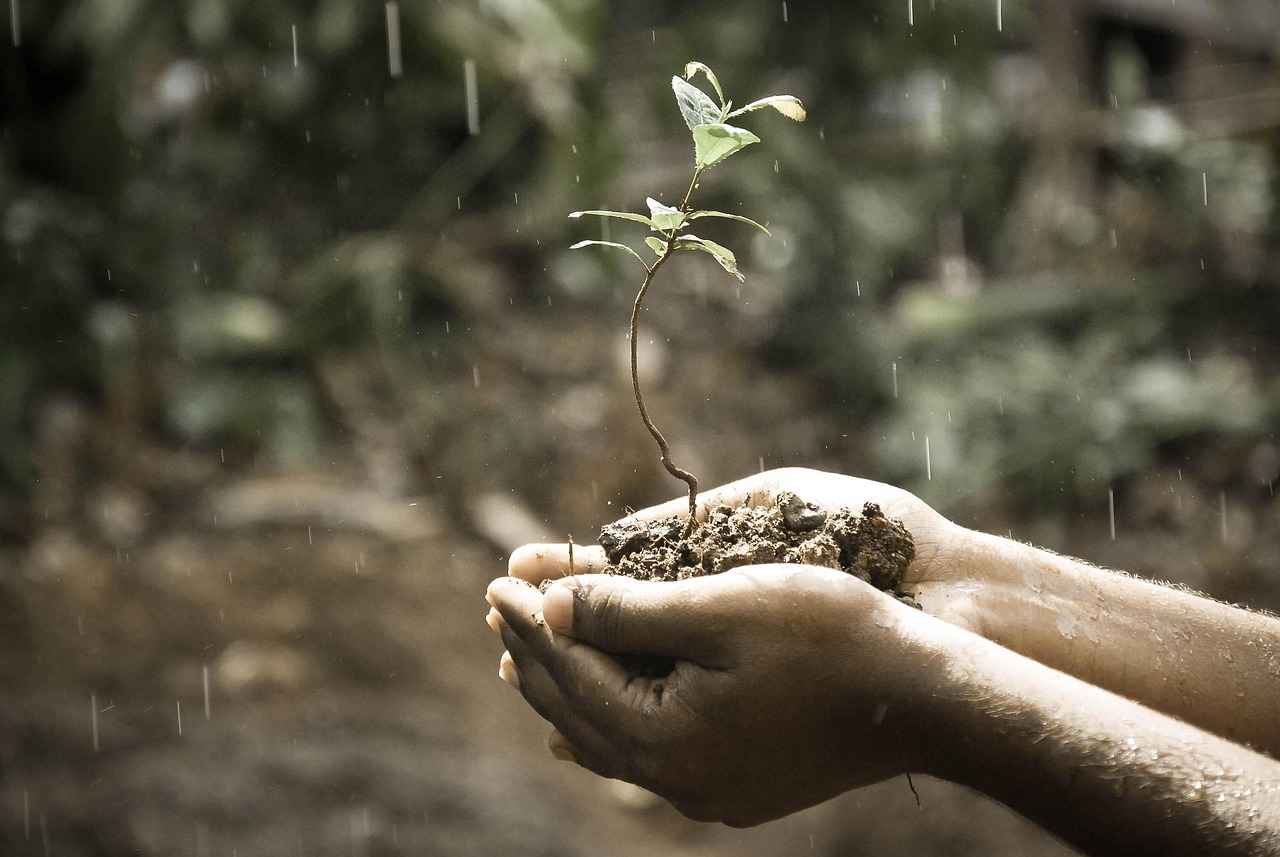
Starting your spiritual journey is all about taking that first step. Consider setting aside time for prayer or meditation, exploring different faith practices, and reading spiritual texts that resonate with you. It’s like planting a seed—nurture it with care, and watch it grow!
- What if I feel disconnected from God?
Feeling disconnected is completely normal, especially during teenage years. Try talking to someone you trust about your feelings, or engage in community activities that foster connection. Remember, even the strongest relationships go through ups and downs—it’s all part of the journey!
- Are youth groups really beneficial?
Absolutely! Youth groups provide a safe space to explore your faith, make friends, and find mentorship. It’s like having a support system that understands what you’re going through—plus, you get to have fun while growing spiritually!
- How can I effectively study the Bible?
Effective Bible study can be as simple as finding a version that speaks to you. Try journaling your thoughts or discussing passages with friends to make it more engaging. Think of it as a treasure hunt—each verse can reveal something valuable about your faith!
- What role does prayer play in my spiritual life?
Prayer is your direct line to God! It’s a time for you to express your thoughts, feelings, and desires. Just like chatting with a close friend, prayer can help you feel more connected and grounded in your faith.