

This comprehensive guide provides effective strategies and practical insights on how to remove rats from walls, ensuring your home remains safe and pest-free. Understanding the signs of a rat infestation and taking proactive measures can help you maintain a rodent-free environment.
What Are the Signs of Rats in Your Walls?
Identifying the signs of rats in your walls is crucial for early detection. Look for:
- Droppings: Small, dark droppings often found near entry points.
- Gnaw Marks: Chewed wood or insulation can indicate rat activity.
- Unusual Noises: Scratching or scurrying sounds, especially at night.
Why Do Rats Enter Walls?
Understanding why rats invade your walls can help you prevent future infestations. Common reasons include:
- Seeking Shelter: Walls provide a safe haven from predators.
- Food Sources: Access to crumbs or food stored in walls.
- Nesting Opportunities: Insulation and materials in walls are ideal for nesting.
Common Entry Points for Rats
Rats can enter through surprisingly small openings. Identifying these entry points is essential to effectively block their access. Common entry points include:
- Cracks in the Foundation: Inspect for gaps that may allow entry.
- Utility Lines: Areas where pipes and wires enter your home.
- Vents and Exhausts: Ensure these are properly screened.
Inspecting Your Home’s Exterior
A thorough inspection of your home’s exterior can reveal gaps and holes. Pay special attention to:
- Areas around pipes and vents.
- Foundation cracks.
- Rooflines and eaves.
Sealing Cracks and Openings
Sealing identified cracks and openings is vital. Use materials like steel wool and caulk to ensure that rats cannot re-enter your home after removal.
Identifying Rat Nests in Walls
Finding rat nests is crucial for effective removal. Look for signs such as:
- Shredded Materials: Insulation or paper used for nesting.
- Strong Odors: A noticeable smell can indicate a nest nearby.
Effective Methods to Remove Rats from Walls
Utilizing effective removal methods is essential for successful rat eradication. Various techniques include:
- Traps: Use snap traps or live traps to catch rats effectively.
- Bait Stations: Professional-grade bait stations can be effective but should be handled with care.
Using Traps Safely and Effectively
Traps are a common method for removing rats. Learn how to set traps properly for maximum effectiveness while ensuring safety for pets and children. Always place traps in areas where you have noticed rat activity.
When to Consider Professional Help
If the infestation is severe, it may be time to call in professionals. Understanding when to seek expert help can save time and ensure thorough removal. Consider this option if:
- You notice extensive damage to your home.
- DIY methods have failed to yield results.
- Health risks from droppings or urine are present.
Preventing Future Rat Infestations
Once you’ve successfully removed rats, preventing future infestations is key. Implementing preventative measures can help maintain a rodent-free environment:
- Maintaining Cleanliness and Hygiene: Regularly clean food spills and secure trash to minimize attractants.
- Regular Inspections and Maintenance: Conducting inspections can help catch potential issues early.
What Are the Signs of Rats in Your Walls?
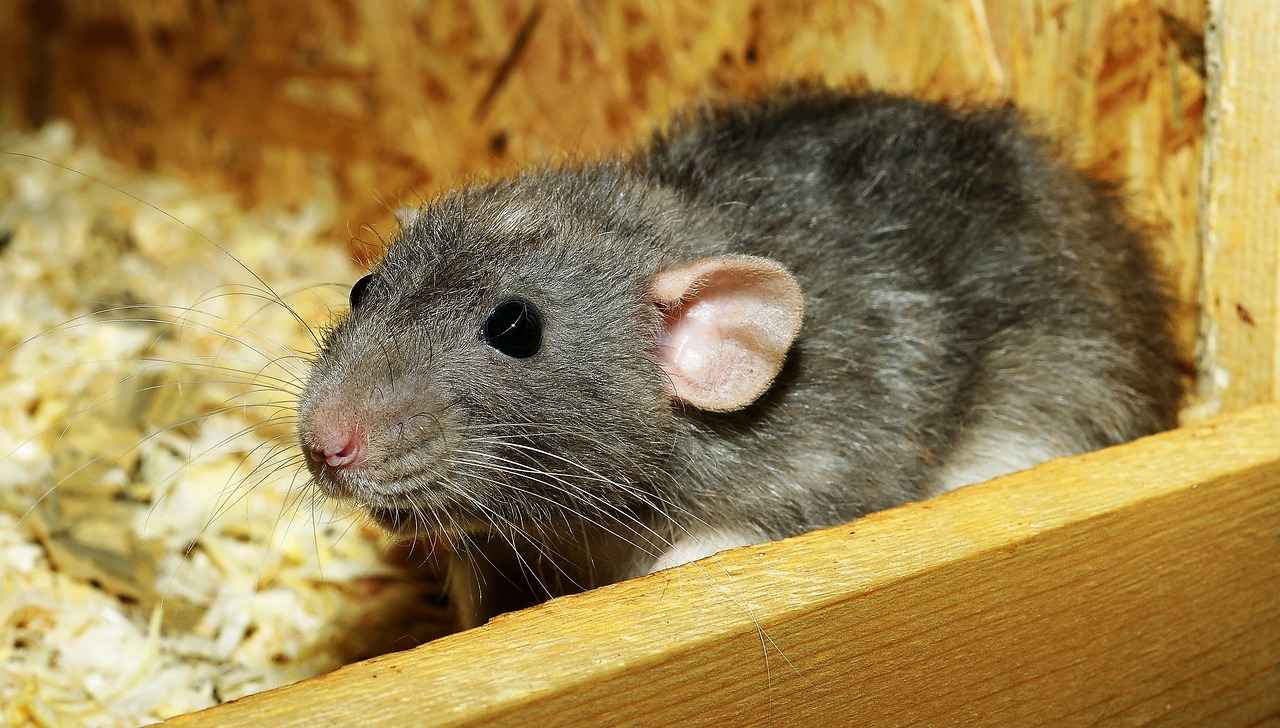
Recognizing the presence of rats in your walls is essential for maintaining a safe and healthy living environment. These rodents can pose significant health risks and cause damage to your property if left unchecked. In this section, we will explore the key signs that indicate rats may have made your walls their home.
Identifying the signs of rats in your walls is crucial for early detection. Here are some important indicators to look for:
- Droppings: One of the most common signs of a rat infestation is the presence of droppings. Rat droppings are typically dark, oval-shaped, and about the size of a raisin. If you notice these in your walls or nearby areas, it’s a strong indication that rodents are present.
- Gnaw Marks: Rats have continuously growing teeth, which means they need to gnaw on various materials to keep them trimmed. Look for gnaw marks on wooden beams, insulation, or even electrical wiring within your walls. These marks can range from small scratches to larger, more pronounced indentations.
- Unusual Noises: Pay attention to any strange sounds coming from within your walls, especially at night when rats are most active. Scratching, scurrying, or squeaking noises can indicate that rats are moving around or nesting in your walls.
- Nesting Materials: If you find shredded paper, fabric, or insulation in your walls, these could be signs of rat nests. Rats often use these materials to create a warm and comfortable environment for their young.
- Odor: A strong, musky odor can be another indication of a rat infestation. This smell may come from their urine, droppings, or the nesting materials they use.
By being vigilant and aware of these signs, you can take action early to address any rodent problems before they escalate. It’s important to regularly inspect your home, particularly in areas where you suspect rats may enter or reside.
Monitoring these signs not only helps in early detection but also aids in understanding the severity of the infestation. If you notice multiple signs, it may be time to take more serious measures to remove the rats from your walls.
In summary, keeping an eye out for droppings, gnaw marks, unusual noises, nesting materials, and odors can help you identify a rat problem in your walls. Early detection is key to effectively managing and eliminating these pests from your home.
Why Do Rats Enter Walls?
Understanding the reasons why rats invade your walls is crucial for homeowners looking to prevent future infestations. By identifying the motivations behind these unwelcome guests, you can take proactive measures to safeguard your living space. Here, we delve into the common reasons that attract rats to your walls, empowering you with knowledge to keep your home pest-free.
Rats are opportunistic creatures that thrive in environments that offer shelter, food, and nesting materials. Your walls can provide an ideal habitat for these rodents, making it essential to understand their motivations.
- Seeking Shelter: Rats often look for warm, dark places to hide, especially during cold months. Your walls can offer them a cozy refuge away from predators.
- Food Sources: If there are food remnants or easy access to your pantry, rats will be drawn to these resources. They can squeeze through tiny openings, making it easy for them to invade.
- Nesting Opportunities: Walls can harbor insulation, cardboard, and other materials that rats use to build nests. This nesting behavior is particularly common in the breeding season, which increases their presence in your home.
Understanding the timing of rat invasions can help you anticipate and prevent infestations. Rats are primarily nocturnal, meaning they are most active during the night. This behavior allows them to forage for food and explore potential nesting sites without being seen. Additionally, changes in weather can prompt rats to seek shelter indoors, particularly during heavy rains or extreme cold.
Being aware of the signs of rat activity can help you catch an infestation early. Look for:
- Droppings: Rat droppings are small, dark, and rod-shaped. Finding these near walls or in hidden corners is a strong indicator of their presence.
- Gnaw Marks: Rats have strong teeth that they use to gnaw through various materials. Chewed wires, wood, or insulation are telltale signs of their activity.
- Noises: Listen for scratching or scurrying sounds within your walls, especially at night when rats are most active.
To deter rats from invading your walls, consider implementing the following strategies:
- Seal Entry Points: Inspect your home for gaps and cracks, especially around pipes and vents. Use materials like steel wool and caulk to seal these openings.
- Maintain Cleanliness: Keep food stored securely and ensure that spills are cleaned promptly. This reduces attractants that draw rats into your home.
- Regular Inspections: Conduct periodic checks of your home’s exterior and interior to identify potential issues before they escalate into infestations.
By understanding why rats are drawn to your walls and taking proactive steps, you can effectively reduce the likelihood of an infestation. Remember, early detection and preventive measures are your best allies in maintaining a rat-free environment.
Common Entry Points for Rats
Rats are notorious for their ability to infiltrate our homes, often through surprisingly small openings. Understanding these entry points is crucial for effectively blocking their access and preventing future infestations. Below, we will explore the various ways rats can enter your home and what you can do to seal these vulnerabilities.
- Gaps around Pipes: Rats can squeeze through holes as small as half an inch. Inspect areas where pipes enter your home, as these gaps can provide easy access.
- Vents and Exhausts: Openings for ventilation systems can be an inviting entry point for rats. Ensure that these areas are covered with appropriate mesh or screens.
- Cracks in Foundations: Over time, foundations can develop cracks. Regularly inspect your home’s foundation for any signs of wear or damage that could allow rats to enter.
- Windows and Doors: Ensure that windows and doors close tightly. Look for gaps or damaged weather stripping that could allow entry.
- Roof and Eaves: Rats can climb and access roofs through overhanging branches or damaged shingles. Inspect your roofline for potential entry points.
- Garage Doors: Gaps at the bottom of garage doors can serve as a welcome mat for rats. Consider installing a door sweep to eliminate this entry point.
Identifying these entry points is the first step in your battle against rodent infestations. To effectively block their access, consider taking the following steps:
- Conduct a Thorough Inspection: Regularly inspect your home for potential entry points. Look for signs of gnawing or droppings that indicate rat activity.
- Seal Openings with Durable Materials: Use materials such as steel wool, caulk, or metal flashing to seal gaps. These materials are difficult for rats to chew through.
- Install Mesh Screens: For vents and exhausts, consider using heavy-duty mesh screens that can withstand the gnawing of rodents.
- Maintain Landscaping: Trim back trees and shrubs that are close to your home. This reduces the likelihood of rats using them as a bridge to gain access.
By taking these proactive measures, you can significantly reduce the risk of rats entering your home. Regular maintenance and inspections are essential in keeping your living space safe and pest-free.
In conclusion, understanding the common entry points for rats and implementing effective sealing strategies is vital in preventing infestations. By being vigilant and addressing these vulnerabilities, you can create a more secure environment for yourself and your family.
Inspecting Your Home’s Exterior
Inspecting your home’s exterior is a critical first step in preventing rat infestations. A thorough examination can help you identify potential entry points that might allow these unwelcome guests to invade your living space. Rats are notorious for squeezing through surprisingly small openings, and an untrained eye might overlook these vulnerabilities.
Regular inspections of your home’s exterior not only help in spotting gaps and holes but also allow you to maintain the overall integrity of your property. Rodents can cause significant damage by gnawing on wires, insulation, and even structural components, leading to costly repairs.
- Pipes and Vents: Pay close attention to the areas where pipes and vents enter your home. These are common entry points for rats.
- Foundation Cracks: Inspect the foundation for any cracks or gaps, as these can serve as gateways for rodents.
- Roof and Eaves: Look for gaps in the roofline and eaves where rats may climb and gain access.
- Windows and Doors: Ensure that windows and doors are sealed properly and that screens are intact.
To effectively inspect your home’s exterior, follow these steps:
- Visual Inspection: Walk around the outside of your home and look for any visible signs of wear or damage.
- Check for Droppings: Look for rat droppings or gnaw marks around potential entry points.
- Use a Flashlight: A flashlight can help you see into dark corners and under decks or porches.
- Seal Gaps Immediately: If you find any gaps or holes, seal them promptly to prevent rats from entering.
When sealing identified gaps and openings, it is essential to use the right materials. Steel wool is particularly effective for blocking holes, as rats cannot chew through it. Additionally, caulk can be used for smaller gaps, while concrete or mortar is ideal for larger openings.
It is advisable to conduct a thorough exterior inspection at least twice a year, ideally in the spring and fall. However, if you live in an area prone to rodent problems, you may want to increase the frequency of your inspections. Regular maintenance and vigilance can help you stay ahead of any potential infestations.
In conclusion, a detailed inspection of your home’s exterior is vital for identifying gaps and holes that could allow rats to enter. By focusing on critical areas and using appropriate sealing materials, you can significantly reduce the risk of rodent infestations. Remember, an ounce of prevention is worth a pound of cure when it comes to keeping your home safe and pest-free.
Sealing Cracks and Openings
When it comes to keeping your home safe from rodents, is a critical step that should never be overlooked. Rats are notorious for their ability to squeeze through tiny spaces, making it essential to identify and secure any potential entry points in your home.
Rats can cause significant damage to your property and pose health risks through the diseases they carry. By effectively sealing cracks and openings, you not only protect your home from future infestations but also enhance its overall integrity. This proactive measure ensures that once you have removed the rats, they cannot easily return.
To effectively seal your home, consider using a combination of the following materials:
- Steel Wool: This material is ideal for blocking small holes and gaps, as rats cannot chew through it. It is best used in areas where wires or pipes enter your home.
- Caulk: A high-quality caulk can fill in gaps and cracks around windows, doors, and other structural elements. It provides a smooth, durable barrier against rodent entry.
- Expanding Foam: For larger openings, expanding foam can be used to fill voids effectively. It expands to fill the space and hardens to create a solid barrier.
- Wire Mesh: In areas with larger openings, wire mesh can be used to cover vents and other access points, preventing rats from entering.
Begin your inspection by walking around the exterior of your home. Look for:
- Gaps around pipes and wires
- Holes in walls or foundations
- Damaged vents and screens
- Cracks in brickwork or siding
Pay special attention to areas where different materials meet, as these are often weak points that rats exploit.
Follow these steps to effectively seal your home:
1. Identify all potential entry points around your home.2. Clean the area around each crack or opening to ensure good adhesion of sealing materials.3. Use steel wool to block small holes and gaps.4. Apply caulk or expanding foam to fill in larger cracks.5. Cover vents and larger openings with wire mesh.6. Regularly inspect your home to catch new cracks before they become a problem.
After sealing, it’s crucial to maintain these barriers. Regularly check your seals for wear and tear, especially after harsh weather conditions. Replace any damaged materials promptly to ensure ongoing protection against rodent intrusions.
By taking the time to seal cracks and openings in your home, you not only protect it from rats but also create a more secure living environment. Utilizing the right materials and maintaining vigilance will go a long way in keeping your home rodent-free.
Identifying Rat Nests in Walls
is a critical step in managing a rodent infestation effectively. Understanding how to locate these nests can significantly aid in the removal process, ensuring your home remains safe and free from unwanted pests. Rats are notorious for creating nests in hidden areas, particularly within walls, where they find warmth and shelter. Here’s how to identify these nesting sites.
Recognizing the signs of rat nests is essential for effective pest control. Look for the following indicators:
- Shredded Materials: Rats often use shredded paper, fabric, or insulation to build their nests. If you notice these materials near wall cavities, it may indicate a nesting site.
- Droppings: Rat droppings are a telltale sign of their presence. If you find droppings near walls or in hidden corners, it’s likely that rats are nesting nearby.
- Gnaw Marks: Check for gnaw marks on walls, baseboards, or even electrical wiring. These marks can reveal where rats have been active in their search for nesting materials.
- Unusual Noises: Scratching or scurrying sounds within the walls, especially at night, can indicate that rats are nesting and moving about.
Rats prefer to nest in areas that provide them with safety and easy access to food sources. Consider inspecting the following locations:
- Behind Baseboards: Rats often create nests behind baseboards where they can remain hidden from view.
- Inside Wall Cavities: Check for any openings in the walls that might allow rats to enter. They can create nests in the insulation or within the wall structure.
- Near Plumbing and Electrical Lines: Areas near pipes and electrical wiring are common nesting sites due to warmth and shelter.
When inspecting for rat nests, safety should be your top priority. Follow these guidelines:
- Wear Protective Gear: Use gloves and a mask to protect yourself from potential diseases associated with rat droppings and urine.
- Use a Flashlight: A flashlight can help you see into dark spaces where rats may be nesting.
- Be Cautious: Avoid startling the rats, as they may become aggressive if they feel threatened.
Once you have located a rat nest, it’s crucial to act quickly:
- Consider Trapping: Set traps nearby to capture any rats that may still be in the area.
- Seal Entry Points: After removal, seal any identified entry points to prevent future infestations.
- Clean the Area: Thoroughly clean the nesting site to eliminate odors that may attract other rodents.
Identifying rat nests in walls is a vital aspect of rodent control. By recognizing the signs and knowing where to look, you can take effective steps to remove and prevent future infestations. Always prioritize safety during inspections and consider consulting with pest control professionals if the infestation is severe.

Effective Methods to Remove Rats from Walls
When it comes to maintaining a safe and healthy home, are crucial. Rats can cause significant damage and pose health risks, making it essential to address any infestations promptly. This guide will explore various strategies for eradicating these pests effectively.
To successfully eliminate rats from your walls, it is important to understand the various removal methods available. Here are some of the most effective techniques:
- Traps: Traps are one of the most common and effective methods for removing rats. There are several types of traps available, including snap traps, glue traps, and electronic traps. Each has its advantages, but snap traps are generally regarded as the most humane and efficient option.
- Bait Stations: Bait stations are another effective method. These enclosed units contain poison bait that attracts rats. However, caution must be exercised to prevent other animals or pets from accessing the bait.
- Ultrasonic Repellents: These devices emit high-frequency sounds that are unpleasant for rodents but inaudible to humans. While their effectiveness can vary, they can be a useful part of a comprehensive pest control strategy.
- Professional Extermination: If the infestation is severe, it may be best to hire a pest control professional. Experts can assess the situation, identify entry points, and implement a tailored removal strategy.
Setting traps correctly is vital for maximizing their effectiveness. Here are some tips:
- Placement: Place traps in areas where you have noticed signs of rat activity, such as droppings or gnaw marks. Common locations include along walls, near food sources, and in dark corners.
- Baiting: Use attractive bait, such as peanut butter, dried fruit, or commercial rat bait, to entice the rats. Ensure the bait is securely placed on the trap to prevent it from being stolen without triggering the trap.
- Regular Checks: Check traps regularly to remove any captured rats and reset the traps as needed. This will help maintain an effective removal process.
Once you have successfully removed the rats, it is crucial to take steps to prevent future infestations:
- Seal Entry Points: Inspect your home for any gaps or holes that could serve as entry points for rats. Use materials like caulk or steel wool to seal these openings effectively.
- Maintain Cleanliness: Keeping your home clean is essential. Ensure that food is stored properly, and regularly clean up spills and crumbs that may attract rodents.
- Regular Inspections: Conduct regular inspections of your home, particularly in areas where rats are likely to enter. This proactive approach can help catch potential issues early.
If your efforts to remove rats are unsuccessful or if you notice signs of a significant infestation, it may be time to call in professionals. Pest control experts have the tools and knowledge to handle severe cases effectively. They can also provide advice on long-term prevention strategies to help keep your home rat-free.
In conclusion, utilizing effective removal methods is essential for successful rat eradication. By understanding the various techniques available and implementing a comprehensive strategy, you can protect your home from these unwanted pests.
Using Traps Safely and Effectively
When dealing with a rat infestation, one of the most effective methods for removal is the use of traps. However, it is essential to understand how to set these traps properly to ensure maximum effectiveness while safeguarding your pets and children. This guide will provide you with practical steps and safety tips to make your trapping efforts successful.
Traps are a common and humane method for controlling rat populations. Unlike poison, traps allow for immediate action and do not pose a risk of secondary poisoning to pets or wildlife. They can be strategically placed to target specific areas where rat activity is observed, increasing the likelihood of capturing these pests.
- Snap Traps: These are traditional traps that kill rats instantly. They are effective and easy to set up.
- Glue Traps: These traps capture rats on a sticky surface. However, they may not be as humane and can lead to prolonged suffering.
- Live Traps: These traps capture rats alive, allowing for relocation. Ensure you follow local guidelines for releasing trapped rats.
Setting traps correctly is crucial for success. Follow these steps:
- Identify Active Areas: Look for signs of rat activity such as droppings, gnaw marks, or nesting materials. Place traps in these high-traffic areas.
- Choose the Right Bait: Use attractive bait such as peanut butter, dried fruit, or nuts. Place a small amount on the trap to entice the rat.
- Position the Trap: Set the trap perpendicular to the wall, with the bait side facing the wall. Rats tend to run along walls, increasing the chances of capture.
- Check Traps Regularly: Inspect traps at least once a day to promptly remove any captured rats and reset the traps as needed.
While traps can be effective, safety is paramount. Here are some tips to ensure a safe environment:
- Use Enclosed Traps: Opt for traps that are designed to prevent accidental triggering by pets or children.
- Limit Access: Place traps in areas that are inaccessible to pets and children, such as attics or behind appliances.
- Educate Family Members: Make sure everyone in your household understands the importance of not touching traps and the potential dangers associated with them.
Once a rat is captured, it’s essential to handle the situation appropriately:
- Wear Gloves: Always wear gloves when handling traps and captured rats to prevent disease transmission.
- Dispose of the Rat Properly: Follow local regulations for disposing of dead rats. This may involve sealing the rat in a plastic bag and placing it in the trash.
- Sanitize the Area: Clean the area where the rat was captured with a disinfectant to eliminate any potential pathogens.
By following these guidelines, you can effectively use traps to manage rat populations in your home while ensuring the safety of your loved ones. Remember, persistence and proper technique are key to successful rat control.
When to Consider Professional Help
When dealing with a rat infestation, timeliness and effectiveness are key to ensuring your home remains safe and pest-free. While there are numerous DIY methods available for removing rats, there are situations where the infestation may be too severe for a homeowner to handle alone. Understanding when to seek professional help can save time, reduce stress, and ensure a thorough removal process.
Identifying the severity of a rat infestation is crucial. Here are some signs that indicate it may be time to call in experts:
- High Rat Activity: If you notice an increased presence of rats, such as frequent sightings or multiple droppings in various locations, it may signal a larger problem.
- Unusual Noises: Persistent scratching, gnawing, or scurrying noises coming from the walls or ceilings can indicate that rats are nesting inside.
- Visible Damage: Significant damage to insulation, wires, or structural components of your home can be a sign of a serious infestation.
- Health Risks: If you or your family members experience health issues related to rodent exposure, such as allergic reactions or respiratory problems, it is essential to seek professional help immediately.
There are several advantages to hiring pest control professionals:
- Expertise: Professionals have extensive knowledge and experience in identifying and eliminating rat infestations effectively.
- Thorough Inspection: Experts conduct comprehensive inspections to identify not only the presence of rats but also potential entry points and nesting areas.
- Safe Removal Methods: Professionals use safe and effective methods that minimize risks to your family and pets, unlike some DIY methods that may be harmful.
- Long-Term Solutions: Pest control services often provide follow-up visits and recommendations for preventing future infestations.
Selecting the right pest control service is crucial for successful rat removal. Consider the following factors:
- Reputation: Look for companies with positive reviews and testimonials from previous clients.
- Experience: Choose a service with a proven track record in dealing with rodent infestations.
- Licensing and Insurance: Ensure that the company is licensed and insured to protect yourself from liability.
- Methods Used: Inquire about the methods they use for rat removal and prevention to ensure they align with your values and safety concerns.
In conclusion, understanding the signs of a severe rat infestation and knowing when to seek professional help can significantly impact the effectiveness of the removal process. Taking prompt action not only ensures the safety of your home but also helps maintain a healthy living environment. If you find yourself overwhelmed with a rat problem, don’t hesitate to reach out to a qualified pest control expert.

Preventing Future Rat Infestations
Once you’ve successfully removed rats from your home, preventing future infestations becomes paramount. Implementing effective preventative measures is essential to maintain a rodent-free environment. By understanding the behaviors that attract rats and taking proactive steps, you can significantly reduce the likelihood of their return.
Rats can pose serious health risks and cause significant damage to your property. They are known carriers of diseases such as leptospirosis and hantavirus, which can affect humans. Additionally, their gnawing habits can lead to electrical fires and structural damage. Thus, prevention is not just about avoiding inconvenience; it is a critical aspect of ensuring the safety and integrity of your home.
- Maintain Cleanliness: Keeping your home clean is crucial. Regularly clean up food spills and crumbs, and store food in airtight containers. This minimizes attractants that can lure rats into your home.
- Secure Garbage: Ensure that trash bins are tightly sealed. Using bins with locking lids can prevent rats from accessing food waste.
- Seal Entry Points: Inspect your home for cracks and holes, particularly around pipes, vents, and foundations. Use materials like steel wool and caulk to seal these openings, as rats can squeeze through surprisingly small gaps.
- Regular Yard Maintenance: Keep your yard tidy by trimming overgrown vegetation and removing debris. Rats often seek shelter in dense foliage, so maintaining a well-kept yard can deter them.
- Store Firewood Properly: If you use firewood, stack it away from your home and off the ground. This prevents it from becoming a nesting area for rodents.
Regular inspections are crucial in identifying potential issues before they escalate. Conduct a thorough inspection of your home at least once every season. Look for signs of rodent activity, such as droppings or gnaw marks, and address any problems immediately.
Many homeowners prefer natural methods to deter rats. Some effective options include:
- Peppermint Oil: The strong scent of peppermint oil is known to repel rodents. Soaking cotton balls in peppermint oil and placing them in areas where rats may enter can be effective.
- Ultrasonic Repellents: These devices emit high-frequency sounds that are unpleasant for rodents but inaudible to humans. They can serve as an additional layer of prevention.
If you notice signs of a rat infestation despite your best efforts at prevention, it may be time to call in professionals. Expert pest control services can provide comprehensive inspections and tailored solutions to address the issue effectively.
In conclusion, maintaining a rodent-free environment requires diligence and proactive measures. By implementing the above strategies, you can significantly reduce the chances of future rat infestations and protect your home from the associated risks.
Maintaining Cleanliness and Hygiene
in your home is one of the most effective strategies to deter rats and other pests. A clean environment not only promotes good health but also minimizes the attractants that rodents seek. Here’s how you can maintain a rodent-free home through effective cleaning practices.
Rats are opportunistic feeders that are constantly on the lookout for food sources. By keeping your home tidy, you can significantly reduce the chances of attracting these unwanted guests. Here are a few reasons why maintaining cleanliness is crucial:
- Eliminates Food Sources: Regularly cleaning up food spills, crumbs, and leftovers deprives rats of their primary attractant.
- Reduces Nesting Opportunities: A clutter-free home means fewer places for rats to hide and build nests.
- Promotes Overall Hygiene: Cleanliness helps in preventing other pests and diseases associated with rodent infestations.
Implementing a routine cleaning schedule can be beneficial in maintaining a rodent-free environment. Here are some practical tips:
- Regular Sweeping and Mopping: Ensure that floors, especially in the kitchen and dining areas, are swept and mopped regularly to remove food particles.
- Secure Food Storage: Store food in airtight containers and avoid leaving pet food out overnight. This limits food availability for rodents.
- Dispose of Trash Properly: Use trash cans with tight-fitting lids and dispose of garbage regularly to minimize odors that attract rats.
If you have had a rat infestation, it is crucial to clean the affected areas properly to prevent health risks. Follow these steps:
- Wear Protective Gear: Always wear gloves, a mask, and goggles when cleaning up after rats to avoid exposure to harmful bacteria.
- Use Disinfectants: Clean surfaces with disinfectants to kill any bacteria left behind from droppings or urine.
- Seal Entry Points: After cleaning, ensure that all potential entry points are sealed to prevent future infestations.
In addition to maintaining cleanliness, regular inspections and maintenance can help keep your home rodent-free:
- Inspect for Cracks and Holes: Regularly check your home’s exterior for any gaps that could serve as entry points for rats.
- Maintain Landscaping: Keep shrubs and trees trimmed away from the house to reduce potential nesting sites.
- Schedule Professional Inspections: Consider having pest control professionals conduct regular inspections to catch any signs of rodents early.
By implementing these cleanliness and maintenance strategies, you can significantly reduce the risk of rat infestations in your home. Remember, a clean home is not just a healthy home; it is also a home that deters pests effectively.
Regular Inspections and Maintenance
Maintaining a pest-free home is essential for the health and safety of your family. One of the most effective ways to achieve this is through . By proactively identifying and addressing potential issues, homeowners can significantly reduce the risk of rodent infestations, particularly from rats.
Conducting regular inspections allows homeowners to catch potential problems before they escalate. This includes identifying entry points that rats may exploit to gain access to your home. Common signs of rodent activity include:
- Droppings: Small, dark pellets often found near food sources or nesting areas.
- Gnaw Marks: Evidence of chewing on wires, wood, or insulation.
- Noises: Scratching or scurrying sounds coming from within walls or ceilings.
Regular maintenance goes hand-in-hand with inspections. By ensuring that your home is in good condition, you can prevent rats from finding new entry points. Here are some key maintenance tips:
- Seal Cracks and Openings: Inspect the exterior of your home for any gaps or holes, particularly around pipes, vents, and the foundation. Use materials like steel wool and caulk to seal these openings effectively.
- Maintain Landscaping: Keep shrubs and trees trimmed away from your home to eliminate potential pathways for rats.
- Store Food Properly: Ensure that food is stored in sealed containers and that trash bins are secured to minimize attractants for rodents.
It’s advisable to conduct inspections at least twice a year, ideally in the spring and fall. Additionally, after severe weather events or renovations, a thorough inspection is crucial to ensure no new entry points have been created.
Having the right tools can enhance the effectiveness of your inspections. Consider using:
- Flashlight: To illuminate dark areas where rats might hide.
- Mirror: A handheld mirror can help you see into tight spaces.
- Inspection Camera: For areas that are difficult to access, an inspection camera can provide a clear view of potential issues.
Keeping a record of your inspections can be invaluable. Create a checklist of areas to inspect and note any findings. This documentation can help you track changes over time and identify patterns that may indicate a growing problem.
If your inspections reveal signs of a significant rat infestation, it may be time to call in the professionals. Pest control experts can provide a thorough assessment and recommend effective removal strategies tailored to your specific situation.
In summary, regular inspections and maintenance are critical components in the battle against rodent infestations. By staying vigilant and proactive, homeowners can protect their living spaces from the dangers that rats pose.
Frequently Asked Questions
- What are the signs that I have rats in my walls?
Look out for droppings, gnaw marks, and strange noises at night. If you hear scratching or squeaking sounds, it’s a strong indicator that you might have a rat problem.
- Why do rats choose to enter my walls?
Rats seek shelter, food, and nesting opportunities. Your walls provide a cozy hiding spot away from predators, which makes them an attractive option for these pesky rodents.
- How can I seal entry points to prevent rats?
Inspect your home for gaps around pipes and vents. Use materials like steel wool and caulk to seal these openings, ensuring that rats can’t find their way back in.
- What’s the best method to remove rats from my walls?
Using traps is one of the most effective methods. Make sure to place them strategically and follow safety guidelines to protect pets and children.
- When should I call a professional for rat removal?
If the infestation is large or you’re uncomfortable handling it yourself, it’s wise to call in professionals. They have the tools and expertise to ensure thorough removal.
- How can I prevent future rat infestations?
Maintain cleanliness by regularly cleaning up food spills and securing trash. Conducting routine inspections can also help catch potential issues before they escalate.