
Getting rid of the unpleasant smoke smell in your car can seem like a daunting task, but with the right strategies and techniques, you can restore a fresh and inviting atmosphere in your vehicle. This article outlines effective methods to eliminate smoke odors, ensuring that every drive is a pleasant experience. From deep cleaning tips to the use of odor neutralizers, discover how to tackle this common issue effectively.
Understanding the origins of smoke odors is crucial for effective removal. Common sources include cigarette smoke, cooking fumes, and burnt materials, all of which can linger in your vehicle’s interior. These odors can become embedded in upholstery, carpets, and even the air conditioning system, making them difficult to eliminate without proper cleaning techniques.
A thorough deep cleaning is essential for removing smoke smells. Here are the steps to clean upholstery, carpets, and hard surfaces effectively:
- Vacuuming Your Car Thoroughly: Start by vacuuming the seats, floor mats, and all crevices where smoke particles may settle. This is a crucial first step to ensure that you remove as much residue as possible.
- Using a Quality Upholstery Cleaner: Select an appropriate upholstery cleaner to treat fabric seats. This will help break down smoke residues and neutralize odors effectively for a fresher interior.
- Cleaning Hard Surfaces with Vinegar: Vinegar is a natural deodorizer. Wiping down hard surfaces like the dashboard and door panels with a vinegar solution can help eliminate lingering smoke smells.
After cleaning, using odor neutralizers can further combat smoke smells. Explore various products and homemade solutions, such as:
- Essential Oil Sprays: Create a mixture of water and your favorite essential oils to spray in the car.
- Commercial Odor Eliminators: Invest in products specifically designed to neutralize smoke smells.
If DIY methods fall short, consider professional services for specialized treatments. Some effective options include:
- Steam Cleaning for Effective Odor Elimination: Professionals use steam cleaning to penetrate deep into fabrics and surfaces, effectively removing smoke odors without harsh chemicals.
- Ozone Treatment: A Powerful Solution: Ozone treatment utilizes ozone gas to neutralize odors at a molecular level, ensuring a smoke-free environment in your car.
Preventing smoke odors is easier than removing them. Here are some proactive measures:
- Avoid Smoking Inside Your Vehicle: The most effective prevention method is to refrain from smoking inside your car. Establishing this habit can significantly reduce the likelihood of smoke odors.
- Regular Cleaning and Maintenance Tips: Routine cleaning and maintenance can help keep your car fresh. Simple practices like vacuuming and using air fresheners can prevent smoke smells from developing.
DIY solutions can be effective for smoke odor removal. Consider the following home remedies:
- Baking Soda: The Natural Deodorizer: Sprinkling baking soda on seats and carpets can help absorb smoke smells, leaving your car fresher.
- Activated Charcoal for Odor Absorption: Placing bags of activated charcoal in your car can effectively combat smoke smells over time.
By implementing these strategies, you can successfully eliminate smoke odors from your car, ensuring a more enjoyable driving experience. Regular maintenance and proactive measures will keep your vehicle smelling fresh long after the initial cleanup.
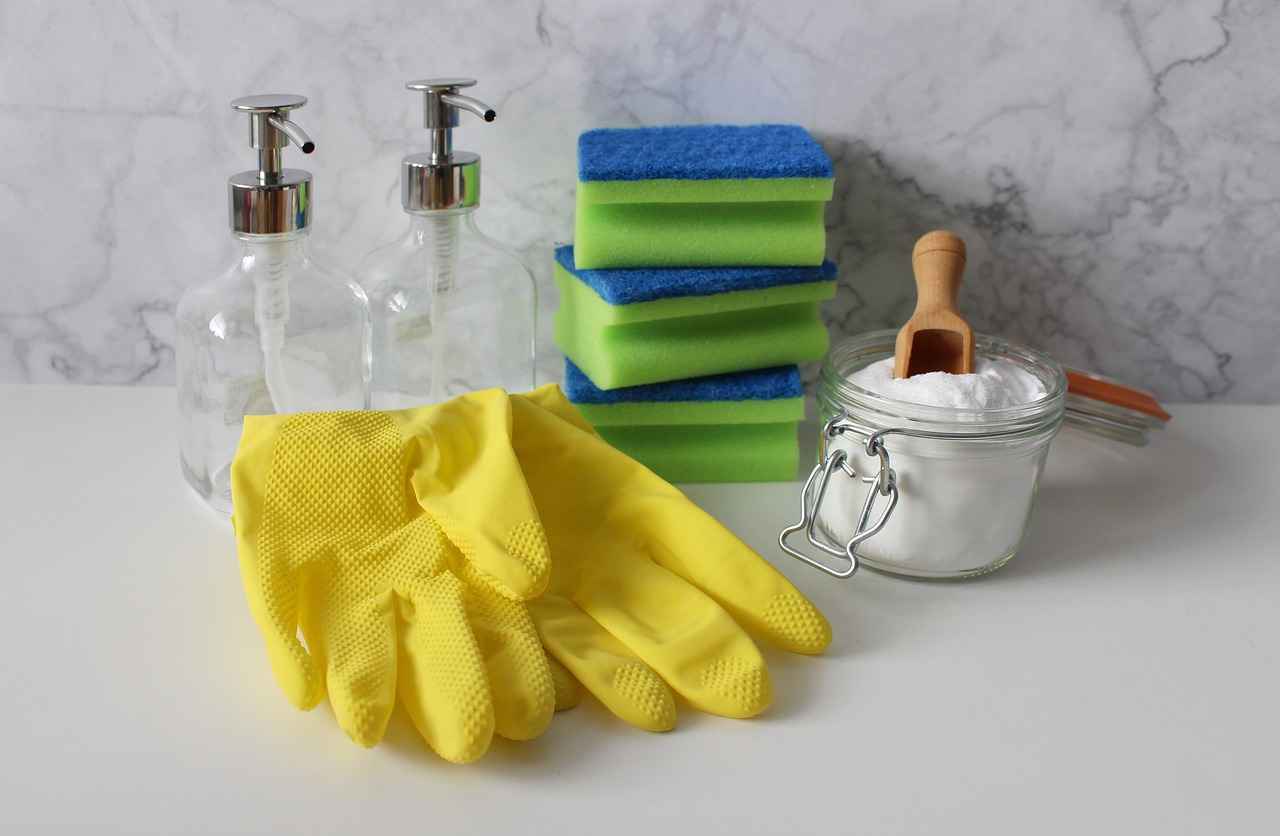
What Causes Smoke Smell in Cars?
Understanding the origins of smoke odors is crucial for effective removal. Smoke smells can stem from various sources, each contributing uniquely to the lingering scent in your vehicle. The most common offenders include cigarette smoke, which embeds itself in upholstery and hard surfaces, cooking fumes that may cling to fabrics after transporting food, and burnt materials such as spilled food or accidental fires. Recognizing these sources can significantly aid in the removal process.
- Cigarette Smoke: This is one of the most persistent odors, as it contains numerous chemicals that can settle into the car’s fabric and interior surfaces. The smell can be particularly strong if someone has smoked in the car for an extended period.
- Cooking Fumes: If you frequently transport food, cooking odors can become trapped in the vehicle’s interior. Grease and food particles can cling to surfaces, contributing to a stale smell.
- Burnt Materials: Accidental spills or burnt items can leave behind a strong odor. This includes anything from burnt food to items that have caught fire, which can create a lasting scent.
In addition to these primary sources, other factors can exacerbate smoke smells in your car:
- Humidity and Heat: High humidity levels and heat can intensify odors, making them more pronounced. This is especially true in warmer climates where the car’s interior can become a breeding ground for unpleasant smells.
- Poor Ventilation: A lack of airflow can trap odors inside the vehicle. Regularly opening windows and using air conditioning can help mitigate this issue.
- Old Fabrics: The age and condition of your car’s upholstery can also play a role. Older materials may absorb and retain odors more than newer ones.
To effectively combat these odors, it is essential to identify the source accurately. Once you know what you’re dealing with, you can implement targeted cleaning methods. For instance, if cigarette smoke is the culprit, deep-cleaning upholstery and using specialized odor neutralizers will be necessary. Conversely, if cooking fumes are the issue, a thorough wipe-down of surfaces with vinegar or baking soda may suffice.
Moreover, understanding the chemistry behind these odors can also aid in their removal. Smoke particles are often oily and sticky, which means that simple air fresheners may mask the smell but not eliminate it. Instead, utilizing products designed to break down these compounds will yield better results.
In summary, recognizing the various sources of smoke odors in cars is the first step toward effective removal. By identifying whether the smell comes from cigarette smoke, cooking fumes, or burnt materials, you can choose the appropriate cleaning methods to restore a fresh ambiance in your vehicle.
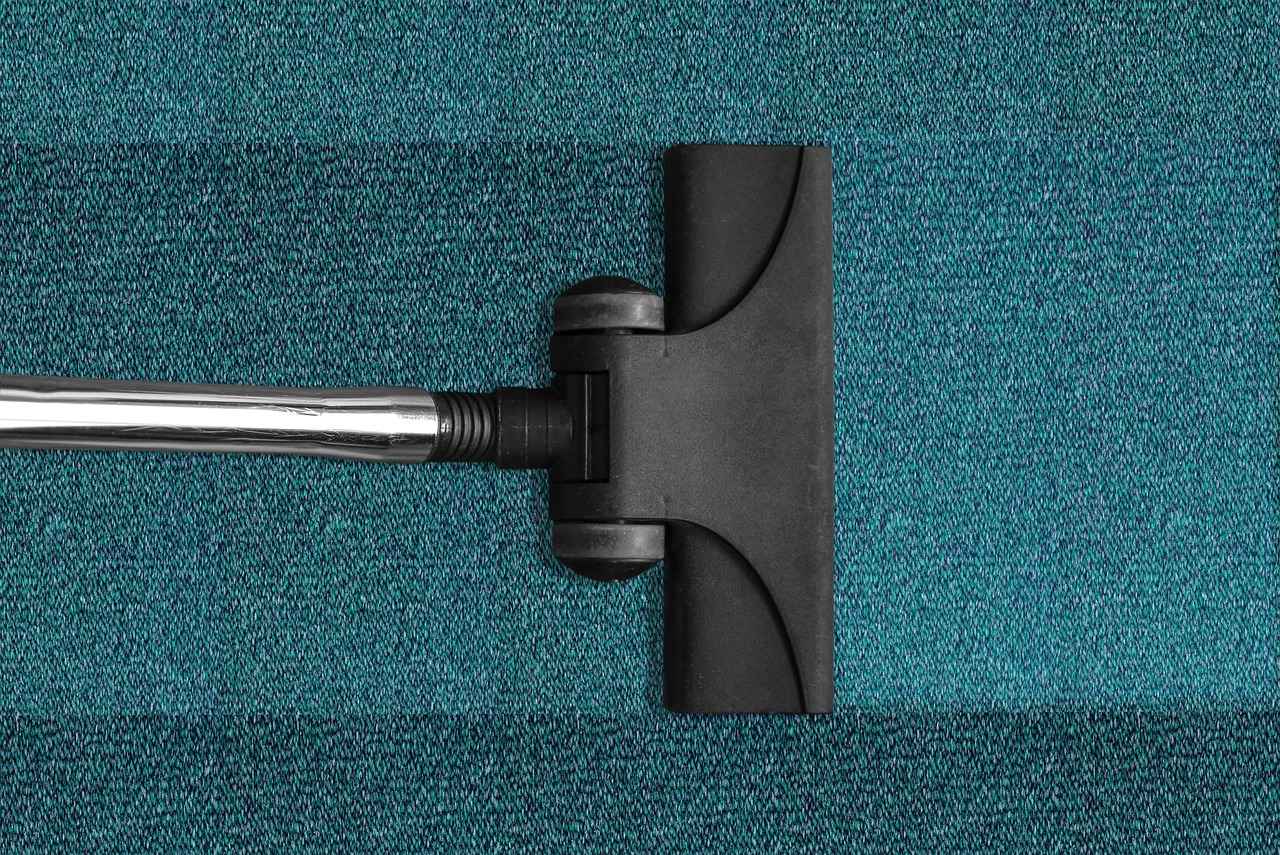
How to Deep Clean Your Car’s Interior?
Deep cleaning your car’s interior is a crucial step in eliminating unwanted smoke odors. Whether you’re dealing with the lingering scent of cigarette smoke or other unpleasant smells, a comprehensive cleaning process can significantly improve your driving experience. This section will guide you through effective methods to clean upholstery, carpets, and hard surfaces to ensure that your vehicle smells fresh and inviting.
Smoke odors can become deeply embedded in your car’s materials, making them challenging to remove. A thorough cleaning not only targets visible dirt but also addresses the invisible particles that contribute to persistent smells. By using the right techniques and products, you can restore your car’s interior to a pleasant state.
- Choose the Right Cleaner: Select a quality upholstery cleaner specifically designed for your car’s fabric. Look for products that are effective against smoke odors.
- Test in an Inconspicuous Area: Before applying any cleaner, test it on a small, hidden section of the upholstery to ensure it doesn’t cause discoloration.
- Apply and Agitate: Spray the cleaner on the affected areas and use a soft brush to agitate the fabric. This helps lift smoke residues.
- Rinse and Dry: Use a clean, damp cloth to wipe away the cleaner and then allow the upholstery to dry thoroughly to prevent mold growth.
Carpets can harbor smoke smells just like upholstery. Here are steps to ensure a deep clean:
- Vacuum First: Start by vacuuming the carpets thoroughly to remove loose particles and debris.
- Use a Carpet Cleaner: Apply a carpet cleaning solution that targets odors. Follow the manufacturer’s instructions for the best results.
- Steam Cleaning: For a deeper clean, consider using a steam cleaner, which can penetrate fibers and remove stubborn odors.
Hard surfaces like dashboards and door panels can also trap smoke smells. Here’s how to clean them:
- Use Vinegar Solution: Mix equal parts of water and white vinegar in a spray bottle. This natural deodorizer effectively neutralizes odors.
- Wipe Down Surfaces: Spray the solution on hard surfaces and wipe with a microfiber cloth. Pay special attention to areas where smoke may have settled.
After cleaning, consider using odor neutralizers to combat any remaining smells:
- Air Fresheners: Choose air fresheners that specifically target smoke odors. Look for ones with activated charcoal or baking soda.
- DIY Solutions: Create your own odor neutralizer using essential oils mixed with water in a spray bottle.
By following these steps for deep cleaning your car’s interior, you can effectively remove smoke odors and enjoy a fresher, more pleasant driving experience. Regular maintenance and cleaning can help prevent the buildup of unwanted smells, ensuring your vehicle remains a comfortable space.
Vacuuming Your Car Thoroughly
When it comes to deep cleaning your car, vacuuming is the essential first step that sets the foundation for a thorough cleansing process. Smoke particles can infiltrate various areas of your vehicle, making it crucial to focus on specific spots to ensure a comprehensive clean. Here are some effective strategies to help you vacuum your car thoroughly and tackle those stubborn smoke odors.
- Seats: Begin with the seats, as they often absorb the most smoke particles. Use a vacuum cleaner with a suitable attachment to reach into the seams and crevices of the upholstery. Pay special attention to any stains or discoloration that may indicate smoke residue.
- Floor Mats: Remove the floor mats and vacuum them separately. Shake them out first to remove loose debris, then use the vacuum to get rid of any trapped particles. Consider washing rubber mats with soap and water for a deeper clean.
- Crevices: Don’t overlook the small crevices and gaps in your car. Use a crevice tool attachment on your vacuum to reach tight spots, such as between the seats and center console. These areas can harbor a significant amount of smoke particles and odors.
- Trunk: The trunk often gets neglected during cleaning, but it can also hold onto smoke particles. Vacuum the entire trunk area, including under any mats or storage compartments.
To enhance the effectiveness of your vacuuming:
- Use a High-Quality Vacuum: Invest in a vacuum cleaner that has strong suction power and specialized attachments for automotive cleaning. This will help you pick up more dirt and debris.
- Regular Maintenance: Make vacuuming a regular part of your car maintenance routine. Frequent cleaning prevents the buildup of smoke particles and other odors, ensuring a fresher environment.
After vacuuming, consider following up with additional cleaning methods to further eliminate smoke smells. For instance, using a quality upholstery cleaner can help break down any remaining residues in the fabric. Additionally, wiping down hard surfaces with a vinegar solution can neutralize lingering odors.
In summary, vacuuming is a crucial first step in eliminating smoke odors from your car. By focusing on seats, floor mats, and crevices, you can ensure a thorough clean that sets the stage for a more pleasant driving experience. Don’t underestimate the power of a good vacuuming session; it can make a significant difference in how fresh your vehicle feels.
Using a Quality Upholstery Cleaner
When it comes to maintaining the interior of your car, one of the most challenging tasks is eliminating unpleasant odors, particularly those caused by smoke. A significant factor in addressing this issue is the selection of an appropriate upholstery cleaner. is essential for treating fabric seats effectively. This not only helps in breaking down stubborn smoke residues but also plays a crucial role in neutralizing odors, resulting in a fresher and more inviting car interior.
Choosing the right upholstery cleaner is vital for several reasons:
- Effectiveness: A specialized cleaner is formulated to tackle smoke residues, ensuring thorough cleaning.
- Safety: Quality cleaners are often safe for various fabrics and surfaces, minimizing the risk of damage.
- Odor Neutralization: Many upholstery cleaners contain ingredients that actively neutralize odors rather than just masking them.
When selecting an upholstery cleaner, consider the following features:
- Enzyme-based Formulas: These are particularly effective in breaking down organic residues, including those from smoke.
- Non-toxic Ingredients: Opt for cleaners that are free from harsh chemicals, making them safer for you and the environment.
- Multi-surface Use: A versatile cleaner can be used on various surfaces, including upholstery, carpets, and even hard surfaces.
To achieve the best results with your upholstery cleaner, follow these steps:
1. Begin by vacuuming the seats thoroughly to remove loose particles and debris.2. Shake the upholstery cleaner bottle well before use.3. Apply the cleaner to a small, inconspicuous area first to test for colorfastness.4. Once confirmed, spray the cleaner evenly over the fabric seats.5. Use a soft-bristled brush or cloth to work the cleaner into the fabric, focusing on areas with visible stains or odors.6. Allow the cleaner to sit for the recommended time as per the product instructions.7. Blot the area with a clean cloth to absorb excess cleaner and moisture.8. Let the seats air dry completely before using the vehicle again.
In addition to using a quality upholstery cleaner, consider these tips to maintain a smoke-free environment:
- Regular Cleaning: Schedule routine cleanings of your car’s interior to prevent smoke odors from accumulating.
- Avoid Smoking in the Car: The most effective way to keep your car smelling fresh is to refrain from smoking inside it.
- Utilize Air Fresheners: After cleaning, consider using air fresheners designed to neutralize odors instead of just masking them.
By selecting the right upholstery cleaner and following these practical steps, you can effectively combat smoke odors in your vehicle. This not only enhances your driving experience but also contributes to a healthier environment inside your car.
Cleaning Hard Surfaces with Vinegar
Cleaning hard surfaces in your car is an essential step in eliminating unpleasant smoke odors. One of the most effective and natural solutions for this task is vinegar. This common household product not only serves as a cleaning agent but also acts as a powerful deodorizer.
Vinegar is renowned for its antimicrobial properties and ability to neutralize odors. When it comes to smoke smells, vinegar can penetrate the surfaces of your car, breaking down the compounds that cause lingering odors. Its acidity helps to dissolve grime and stains, making it a versatile choice for cleaning.
- Ingredients: You will need white vinegar, water, and a spray bottle.
- Ratio: Mix one part vinegar with one part water for an effective cleaning solution.
- Optional: Add a few drops of essential oils for a pleasant scent.
- Prepare the Area: Remove any loose items from your dashboard, door panels, and other hard surfaces.
- Apply the Solution: Spray the vinegar solution generously onto the surfaces you wish to clean.
- Wipe Down: Use a microfiber cloth to wipe down the surfaces, ensuring you cover all areas.
- Let it Sit: Allow the vinegar solution to sit for about 5-10 minutes to effectively neutralize odors.
- Final Wipe: Wipe the surfaces again with a clean, damp cloth to remove any vinegar residue.
When cleaning with vinegar, pay special attention to:
- Dashboard: This area often collects dust and smoke particles.
- Door Panels: Smoke can cling to these surfaces, making them a prime target for cleaning.
- Center Console: This area can trap odors and grime, so don’t overlook it.
Using vinegar not only helps in eliminating smoke smells but also provides several other benefits:
- Cost-Effective: Vinegar is inexpensive and readily available.
- Eco-Friendly: It is a natural product, making it safe for the environment.
- Multi-Purpose: Beyond deodorizing, vinegar can also tackle various stains and grime.
While vinegar is generally safe for most surfaces, it is essential to take a few precautions:
- Test First: Always test the solution on a small, inconspicuous area to ensure it does not damage the surface.
- Avoid Electronics: Be cautious around electronic components; use a damp cloth instead of spraying directly.
Incorporating vinegar into your cleaning routine can greatly enhance your efforts to remove smoke odors from your car. Its natural properties not only help in cleaning but also ensure a fresher environment, making your driving experience much more enjoyable.
Using Odor Neutralizers and Air Fresheners
When it comes to maintaining a pleasant driving environment, addressing smoke odors in your car is essential. After thoroughly cleaning your vehicle, the next step is to utilize odor neutralizers and air fresheners to combat any remaining smoke smells. This section delves into various products and homemade solutions that can help keep your car smelling fresh and inviting.
Odor neutralizers work by targeting the source of the smell rather than merely masking it. They contain specific ingredients that can break down odor-causing compounds, making them more effective than traditional air fresheners. By using these products, you can achieve a long-lasting freshness in your vehicle.
- Enzymatic Cleaners: These cleaners contain enzymes that break down odor-causing substances. They are particularly effective against smoke odors.
- Aerosol Sprays: Many brands offer aerosol sprays designed specifically for cars. Look for products that state they neutralize odors rather than just mask them.
- Odor Absorbing Gels: These gels can be placed in your car to absorb and neutralize odors over time, providing a continuous fresh scent.
If you prefer a more natural approach, several homemade solutions can help eliminate smoke odors effectively:
- Baking Soda: This versatile ingredient is known for its ability to absorb odors. Sprinkle baking soda on your car seats and carpets, let it sit for a few hours, and then vacuum it up.
- White Vinegar: Mix equal parts of white vinegar and water in a spray bottle. Lightly mist the interior surfaces of your car, focusing on areas where smoke odors linger. The vinegar smell will dissipate, taking the smoke odor with it.
- Coffee Grounds: Placing bowls of dry coffee grounds in your car can effectively absorb unwanted odors. Leave them overnight for best results.
Another popular method for keeping your car smelling great is using essential oils. These natural oils not only provide a pleasant aroma but also offer additional benefits:
- Lemon Oil: Known for its refreshing scent, lemon oil can help eliminate smoke odors while providing a clean, uplifting fragrance.
- Lavender Oil: Lavender is renowned for its calming properties. A few drops on a cotton ball can be placed in your car to create a soothing atmosphere.
- Peppermint Oil: This invigorating scent can help mask unpleasant odors and create a refreshing driving experience.
While air fresheners can be effective, it’s important to use them wisely. Choose products that are specifically designed to neutralize odors rather than just cover them up. Additionally, consider the following tips:
- Place air fresheners strategically in your car to maximize their effectiveness.
- Regularly replace air fresheners to maintain a consistent fresh scent.
- Be cautious with overly strong scents, as they can be overwhelming and may not appeal to all passengers.
In summary, tackling smoke odors in your car requires a combination of thorough cleaning and the use of effective odor neutralizers and air fresheners. By exploring both commercial products and homemade solutions, you can create a fresh and inviting atmosphere in your vehicle, making every drive a pleasant experience.
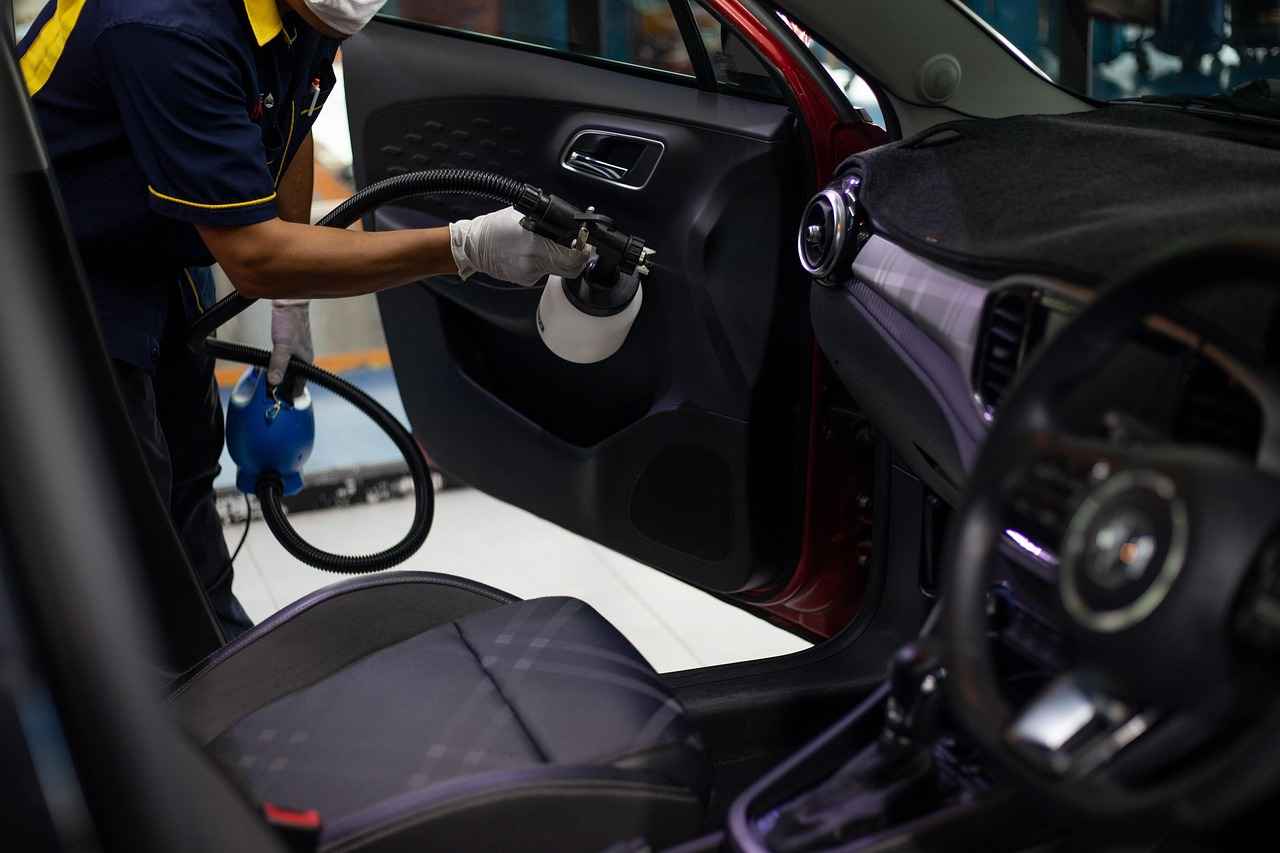
Are There Professional Services for Smoke Odor Removal?
When it comes to eliminating persistent smoke odors from your vehicle, professional services can be a game-changer. While DIY methods can provide temporary relief, they often fall short in effectively addressing deep-seated smells. This section explores the numerous benefits of hiring experts for thorough smoke odor removal, ensuring a fresher and healthier driving environment.
- Expertise and Experience: Professionals are trained to identify and tackle smoke odors that DIY methods may miss. Their experience allows them to use the right techniques and products for effective removal.
- Advanced Equipment: Many professional services utilize specialized equipment, such as ozone generators and steam cleaners, which can penetrate deep into fabrics and surfaces, ensuring comprehensive odor elimination.
- Time-Saving: Cleaning a vehicle thoroughly can be a time-consuming task. Hiring professionals allows you to save time and effort while achieving superior results.
- Guaranteed Results: Many professional services offer guarantees for their work. This means you can have peace of mind knowing that if the odor persists, they will return to address the issue.
Professional odor removal services employ various techniques to ensure effective results:
- Steam Cleaning: This method uses high-temperature steam to penetrate deep into upholstery and carpets, effectively breaking down smoke particles and eliminating odors without harsh chemicals.
- Ozone Treatment: Ozone gas is a powerful oxidizer that can neutralize odors at the molecular level. Professionals use ozone generators to treat the air and surfaces within the vehicle, ensuring a smoke-free environment.
- Deep Cleaning Solutions: Many experts utilize specialized cleaning solutions designed specifically for smoke odor removal, which can effectively break down and neutralize residual odors.
The cost of hiring a professional service for smoke odor removal can vary based on several factors:
- Size of the Vehicle: Larger vehicles may require more time and resources, leading to higher costs.
- Severity of the Odor: If the smoke odor is deeply embedded, additional treatments may be necessary, impacting the overall price.
- Location: Prices can also vary based on geographic location and the competition among service providers.
On average, you can expect to pay anywhere from $100 to $300 for professional smoke odor removal services.
In addition to removing existing odors, professional services can also provide valuable advice on how to prevent future smoke smells:
- Protective Treatments: Some services offer protective treatments for upholstery that can help repel smoke particles and make future cleaning easier.
- Maintenance Tips: Professionals can share effective maintenance tips that can help keep your car smelling fresh, such as regular cleaning schedules and recommended products.
In conclusion, while DIY methods can be effective for minor smoke odors, professional services offer a comprehensive solution for more severe cases. Their expertise, advanced equipment, and guaranteed results make them a worthwhile investment for anyone looking to restore a fresh atmosphere in their vehicle.
Steam Cleaning for Effective Odor Elimination
When it comes to maintaining a fresh and pleasant environment in your vehicle, steam cleaning stands out as an effective solution for eliminating stubborn smoke odors. This method utilizes high-temperature steam to deeply penetrate fabrics and surfaces, effectively breaking down and removing smoke residues without the use of harsh chemicals.
Steam cleaning is not just a surface-level cleaning method; it works at a molecular level. The high temperature of the steam helps to:
- Loosen dirt and grime embedded in upholstery and carpets.
- Kill bacteria and allergens that contribute to unpleasant odors.
- Neutralize smoke particles that cling to surfaces, ensuring a thorough clean.
The process of steam cleaning involves the following steps:
- Preparation: Remove any loose items from your car, including floor mats and personal belongings.
- Vacuuming: Start by vacuuming the entire interior to remove loose debris and particles.
- Steam Application: Use a steam cleaner with appropriate attachments to target upholstery, carpets, and hard surfaces.
- Drying: Allow the surfaces to dry completely to prevent mold and mildew growth.
One of the primary advantages of steam cleaning is its ability to provide a deep clean without the need for chemicals. This is particularly beneficial for individuals sensitive to strong scents or those who prefer eco-friendly cleaning options. Additionally, steam cleaning:
- Reduces allergens and bacteria, creating a healthier environment.
- Improves the lifespan of your car’s upholstery and carpets by avoiding harsh chemicals.
- Leaves no residue, ensuring that your car remains fresh and clean.
While steam cleaning is generally safe for most fabrics and surfaces, it is essential to consider the material of your car’s upholstery. Always check the manufacturer’s recommendations before proceeding. For delicate fabrics, it may be wise to test a small, inconspicuous area first.
The frequency of steam cleaning your vehicle will depend on your usage and exposure to smoke. If you frequently smoke in your car or transport smokers, consider steam cleaning every few months. Alternatively, for less frequent exposure, an annual steam cleaning may suffice to keep odors at bay.
Yes, steam cleaning can be done as a DIY project if you have access to a steam cleaner. However, for optimal results, especially in severe cases of smoke odor, it may be beneficial to hire a professional service that specializes in automotive steam cleaning. They possess the expertise and equipment to ensure thorough cleaning.
In summary, steam cleaning is a powerful and effective method for eliminating smoke odors from your vehicle. By understanding the process and benefits, you can maintain a clean and fresh driving environment. Whether you choose to tackle this task yourself or enlist professional help, steam cleaning is a reliable solution for restoring your car’s interior.
Ozone Treatment: A Powerful Solution
When it comes to eliminating stubborn smoke odors from your vehicle, ozone treatment stands out as a highly effective professional solution. This method utilizes ozone gas, which is known for its powerful oxidizing properties, to neutralize odors at a molecular level. Unlike traditional air fresheners that merely mask unpleasant smells, ozone treatment works to eradicate them entirely, ensuring a truly smoke-free environment within your car.
Ozone treatment involves generating ozone gas, which is then circulated throughout the vehicle’s interior. This gas interacts with smoke particles, breaking them down and effectively eliminating the source of the odor. Ozone is a naturally occurring gas that can penetrate fabrics, carpets, and even hard surfaces, making it an ideal choice for comprehensive odor removal.
The process of ozone treatment is relatively straightforward. A professional technician will use an ozone generator to fill the car with ozone gas. The gas will then circulate for a specified period, usually between 30 minutes to several hours, depending on the severity of the odor. During this time, ozone molecules bond with smoke particles, changing their structure and rendering them odorless.
- Effective Odor Removal: Ozone treatment is highly effective in eliminating smoke smells, ensuring that your car smells fresh and clean.
- Deep Penetration: The ozone gas can penetrate deep into upholstery and hard-to-reach areas, providing a thorough clean.
- Fast Results: Many users report noticeable improvements in odor within a short time frame, making it a quick solution for smoke smells.
- Non-Toxic: Unlike some chemical cleaners, ozone treatment is a natural process, leaving no harmful residues behind.
While ozone is effective for odor removal, it is essential to approach its use with caution. Ozone can be harmful to humans and pets if inhaled in high concentrations. Therefore, it is crucial to ensure that the vehicle is well-ventilated during treatment and that no one is inside the car while the ozone generator is running. After the treatment, it is advisable to air out the vehicle for a short period to allow any residual ozone to dissipate.
The frequency of ozone treatment largely depends on the level of smoke exposure in your vehicle. For smokers or those frequently transporting individuals who smoke, a treatment every few months may be beneficial. For occasional smoke exposure, annual treatments may suffice to maintain a fresh-smelling interior.
For optimal results, consider combining ozone treatment with other cleaning methods. Begin with a thorough vacuuming of the interior and upholstery to remove any loose particles. Follow this with a deep cleaning of surfaces using appropriate cleaners. Once the initial cleaning is complete, ozone treatment can be applied to ensure that any remaining odors are effectively neutralized.
In conclusion, ozone treatment is a powerful and effective solution for eliminating smoke smells from your car. By understanding how it works and taking the necessary precautions, you can enjoy a fresh, clean driving environment free from unwanted odors.
How to Prevent Smoke Smell in the Future?
Keeping your car smelling fresh and free from smoke odors is a challenge many car owners face, especially those who have previously smoked in their vehicles. Preventing smoke odors is significantly easier than attempting to remove them. By implementing proactive measures, you can maintain a pleasant environment in your car. This section outlines effective strategies to help you keep your vehicle smelling clean and inviting.
Understanding the importance of prevention is essential. Smoke odors can cling to various surfaces in your car, including upholstery, carpets, and even the air conditioning system. Once these odors settle, they become increasingly difficult to eliminate. By taking preventive steps, you can avoid the hassle of deep cleaning and costly odor removal services.
- Avoid Smoking Inside Your Vehicle: The most effective way to prevent smoke smells is to refrain from smoking inside your car. Establishing this habit not only protects your vehicle’s interior but also promotes better health for you and your passengers.
- Ventilate Your Car Regularly: Open windows and allow fresh air to circulate throughout your vehicle. This practice helps to dilute any lingering odors and keeps the air inside your car fresher.
- Use Protective Covers: Consider using seat covers and floor mats that can be easily cleaned or replaced. These protective layers can help prevent smoke particles from settling into the fabric of your car.
- Implement Regular Cleaning Routines: Establish a routine cleaning schedule that includes vacuuming and wiping down surfaces. Regular maintenance can significantly reduce the buildup of odors over time.
Maintaining good air quality is crucial for preventing smoke odors. Here are some tips:
- Use Air Purifiers: Invest in a small car air purifier that can help eliminate odors and improve air quality. These devices often use HEPA filters to trap particles and allergens.
- Utilize Natural Deodorizers: Consider using natural deodorizers such as baking soda or activated charcoal. Placing an open container of baking soda or a bag of activated charcoal in your car can absorb unwanted smells.
- Regularly Change Cabin Air Filters: Ensure that your vehicle’s cabin air filter is changed regularly. A clean filter can help prevent stale air and odors from circulating in your car.
Adopting certain lifestyle changes can greatly assist in keeping your car odor-free:
- Be Mindful of Food and Drinks: Avoid eating or drinking in your car, as spills and crumbs can contribute to unpleasant odors over time.
- Keep Windows Closed When Not in Use: Close your windows when parked to prevent outside odors from seeping into your vehicle.
- Park in Clean Areas: When parking, choose locations that are clean and free from smoke or other unpleasant smells.
By implementing these preventive measures, you will not only keep your vehicle smelling fresh but also enhance your overall driving experience. Remember, the key to maintaining a clean car is consistency and mindfulness in your daily habits.
Avoid Smoking Inside Your Vehicle
When it comes to maintaining a fresh and pleasant atmosphere in your car, one of the most effective strategies is to . This habit not only protects your car’s interior but also promotes a healthier environment for you and your passengers. The impact of smoke odors can be significant, lingering long after the last puff, and creating an unpleasant driving experience.
Smoking inside your vehicle can lead to a multitude of issues. The smoke particles can settle into the upholstery, carpets, and even the air conditioning system, making it challenging to eliminate the odors completely. Furthermore, the residual smell can affect the resale value of your car, as potential buyers may be deterred by the lingering scent of smoke.
In addition to the unpleasant odors, smoking in a confined space poses significant health risks. Exposure to secondhand smoke can be harmful to passengers, especially children and pets. By eliminating smoking in your vehicle, you create a safer and healthier environment for everyone.
Transitioning to a smoke-free car can be easier than you think. Here are some practical tips to help you establish this beneficial habit:
- Set Clear Boundaries: Make a personal commitment to never smoke in your car.
- Find Alternatives: If you feel the urge to smoke, consider stepping outside the vehicle.
- Educate Passengers: Inform friends and family about your smoke-free policy to ensure everyone is on board.
Maintaining a smoke-free vehicle not only keeps odors at bay but also enhances your driving experience. A clean and fresh-smelling car can:
- Improve Air Quality: A smoke-free environment contributes to better air quality inside the vehicle.
- Enhance Comfort: A pleasant-smelling car makes for a more enjoyable ride.
- Increase Resale Value: Keeping your car smoke-free can help maintain or even increase its value over time.
If you’ve already smoked in your vehicle, don’t despair. There are effective strategies to remove the odors:
- Deep Cleaning: Regularly vacuum and clean your car’s interior, focusing on upholstery and carpets.
- Use Odor Neutralizers: Consider using products specifically designed to combat smoke odors.
- Professional Cleaning Services: If the smell persists, consider hiring professionals for a thorough cleaning.
By adopting a smoke-free policy in your vehicle, you can significantly reduce the likelihood of smoke odors and create a healthier, more enjoyable environment for yourself and others. This simple yet effective habit can transform your driving experience, making it fresher and more pleasant.
Regular Cleaning and Maintenance Tips
Maintaining a fresh and pleasant environment in your car is essential for a comfortable driving experience. One of the most effective ways to achieve this is through regular cleaning and maintenance. By incorporating simple yet impactful practices into your routine, you can significantly reduce the chances of unwanted odors, including smoke smells, from taking hold in your vehicle.
Routine cleaning not only enhances the aesthetic appeal of your car but also contributes to your overall health. Dust, allergens, and smoke residues can accumulate over time, leading to an unpleasant atmosphere. Regular cleaning helps to:
- Improve Air Quality: Removing dust and residues can enhance the air quality inside your vehicle.
- Maintain Value: A well-maintained car retains its resale value better than a neglected one.
- Enhance Comfort: A clean car interior improves the overall driving experience.
Incorporating a few straightforward practices into your routine can keep your car smelling fresh:
- Vacuum Regularly: Make it a habit to vacuum your car at least once a month. Focus on the seats, floor mats, and any crevices where dirt and smoke particles may accumulate.
- Use Air Fresheners: Consider using air fresheners or odor neutralizers specifically designed for automotive use. These products can help mask unpleasant smells and create a more inviting atmosphere.
- Wipe Down Surfaces: Regularly wipe down hard surfaces with a gentle cleaner to remove any residues that may contribute to odors.
If your car has been exposed to smoke, it’s crucial to address the issue promptly:
- Deep Clean Upholstery: Use a quality upholstery cleaner to treat fabric seats. This helps break down smoke residues and neutralize odors effectively.
- Utilize Natural Deodorizers: Consider using natural deodorizers such as baking soda or activated charcoal. Sprinkling baking soda on seats and carpets can absorb odors, while activated charcoal bags can work wonders over time.
To prevent smoke smells from developing in the first place, consider the following tips:
- Avoid Smoking Inside: The most effective way to prevent smoke odors is to refrain from smoking inside your vehicle. Encourage passengers to do the same.
- Regular Maintenance: Schedule routine maintenance checks to ensure that your car’s ventilation system is clean and functioning properly. This can help reduce the buildup of unwanted odors.
By adopting these , you can keep your car smelling fresh and inviting. With a little effort, you can create a pleasant driving environment and prolong the life of your vehicle’s interior.
What Are Some DIY Solutions for Smoke Odor Removal?
When it comes to eliminating unpleasant smoke odors from your car, DIY solutions can be both effective and economical. This section delves into various home remedies and techniques that can help neutralize unwanted smells, ensuring a fresh driving experience. Whether you’re dealing with the remnants of cigarette smoke or the lingering scent of burnt food, these methods can make a significant difference.
Understanding how to tackle smoke odors effectively can save you time and money. Here are some practical DIY solutions:
- Baking Soda: The Natural Deodorizer
Baking soda is renowned for its odor-absorbing properties. To use it, simply sprinkle a generous amount on your car’s seats and carpets. Let it sit for several hours, or ideally overnight, to absorb the odors. Afterward, vacuum it up for a fresher interior.
- Activated Charcoal for Odor Absorption
Activated charcoal is another powerful option for absorbing odors. Place bags of activated charcoal in your car; they work by trapping and neutralizing smoke particles over time. This method is particularly effective for persistent odors.
- Vinegar: The Multi-Purpose Cleaner
Vinegar is a natural deodorizer that can help eliminate smoke smells. Mix equal parts of water and white vinegar in a spray bottle and lightly mist the interior surfaces of your car. Be sure to avoid soaking the upholstery. The vinegar smell will dissipate, taking the smoke odor with it.
- Coffee Grounds: A Natural Deodorizer
Coffee grounds are not only a great way to energize your morning but also effective at absorbing unwanted smells. Place a bowl of dry coffee grounds in your car and let them sit for a few days. The grounds will absorb the smoke odors, leaving your vehicle smelling fresh.
- Essential Oils for Freshness
Essential oils can be a pleasant way to mask and neutralize odors. Mix a few drops of your favorite essential oil with water in a spray bottle and lightly mist your car’s interior. Popular choices include lemon, lavender, and eucalyptus for their refreshing scents.
To maximize the effectiveness of these DIY solutions, consider the following tips:
- Ensure your car is clean before applying any deodorizing methods. A thorough vacuuming can help remove dirt and debris that may be contributing to the odor.
- Leave DIY deodorizers in your car for an extended period, especially when using items like baking soda or activated charcoal, to allow them to absorb as much odor as possible.
- Regularly repeat these methods to maintain a fresh scent in your vehicle, especially if you frequently smoke or transport items that might carry odors.
By implementing these DIY solutions, you can effectively combat smoke odors in your car, making it a more enjoyable space for you and your passengers. Not only are these methods cost-effective, but they also utilize natural ingredients that are safe for both you and the environment.
Baking Soda: The Natural Deodorizer
Baking soda, scientifically known as sodium bicarbonate, is a versatile and effective natural deodorizer that has gained popularity for its ability to combat unwanted odors, particularly in confined spaces like cars. When it comes to eliminating smoke smells from your vehicle, baking soda serves as an exceptional solution due to its remarkable odor-absorbing properties. This article will delve into how baking soda can be utilized effectively to refresh your car’s interior.
Many people wonder, why is baking soda so effective against smoke odors? The answer lies in its unique chemical structure. Baking soda is a mild alkaline compound that interacts with acids and neutralizes them, effectively reducing the intensity of unpleasant smells. This makes it particularly useful for tackling smoke odors, which can be quite pervasive.
Using baking soda to eliminate smoke smells from your car is straightforward and requires minimal effort. Here’s a step-by-step guide:
- Step 1: Start by vacuuming your car thoroughly. Focus on the seats, floor mats, and any crevices where smoke particles might have settled.
- Step 2: Sprinkle a generous amount of baking soda over the upholstery and carpets. Ensure that you cover all affected areas.
- Step 3: Allow the baking soda to sit for several hours, or ideally overnight. This extended contact time enhances its odor-absorbing capabilities.
- Step 4: After the waiting period, vacuum the baking soda up. You will notice a significant reduction in smoke odors, leaving your car smelling fresher.
While baking soda is an excellent first step, combining it with other methods can yield even better results. Here are some additional tips:
- Combine with Essential Oils: For a pleasant fragrance, consider adding a few drops of your favorite essential oil to the baking soda before applying it. This not only helps with odor absorption but also infuses your car with a lovely scent.
- Use in Conjunction with Activated Charcoal: Placing bags of activated charcoal alongside baking soda can enhance the deodorizing effect. Activated charcoal is known for its ability to absorb moisture and odors, making it a powerful ally in your battle against smoke smells.
To maintain a fresh-smelling car, it’s advisable to use baking soda regularly. Aim for a thorough treatment at least once a month, especially if you frequently transport smokers or have recently dealt with smoke exposure. Regular vacuuming and quick spot treatments can also help keep odors at bay.
While baking soda is generally safe to use, it’s essential to keep a few precautions in mind:
- Avoid Excessive Moisture: Ensure that the baking soda is applied to dry surfaces. Excess moisture can reduce its effectiveness and may lead to mold growth.
- Test on Fabrics: Before applying baking soda to upholstery, test it on a small, inconspicuous area to ensure it does not cause any discoloration.
In conclusion, baking soda is a powerful, natural deodorizer that can effectively combat smoke smells in your car. By following the steps outlined above and incorporating additional tips, you can maintain a fresh and inviting driving environment.
Activated Charcoal for Odor Absorption
When it comes to eliminating unpleasant odors in your vehicle, activated charcoal stands out as one of the most effective solutions available. This natural substance is known for its remarkable ability to absorb a variety of odors, making it particularly useful for combating persistent smoke smells.
Activated charcoal is a form of carbon that has been treated to increase its surface area, allowing it to capture and hold onto various particles and gases. This unique property makes it an excellent choice for odor absorption. When placed in your car, activated charcoal can effectively trap smoke particles, neutralizing the odors they produce.
To maximize its effectiveness, consider placing bags of activated charcoal in strategic locations throughout your vehicle. Here are some ideal spots:
- Under the seats – This area often collects dust and debris, making it a prime location for odors to linger.
- In the trunk – If you frequently transport items that may carry odors, placing a bag of activated charcoal in the trunk can help keep the air fresh.
- In cup holders – These small spaces can trap smells; using activated charcoal here can be particularly beneficial.
While the timeline can vary depending on the severity of the smoke odor, many users report noticeable improvements within a few days of placing activated charcoal in their vehicles. For best results, it is recommended to leave the bags in place for at least two weeks to allow the charcoal ample time to absorb the odors fully.
To ensure that your activated charcoal remains effective, it’s important to maintain it properly. Here are some tips:
- Rejuvenate the charcoal – Activated charcoal can be reused. To rejuvenate it, simply place the bags outside in direct sunlight for a few hours. This process helps release the absorbed odors, allowing the charcoal to be effective again.
- Replace regularly – Depending on the level of odor, it’s advisable to replace the activated charcoal bags every 1-3 months to maintain optimal performance.
For those dealing with particularly stubborn smoke smells, combining activated charcoal with other odor removal techniques can yield even better results. Consider using baking soda alongside activated charcoal, as it is also renowned for its odor-absorbing properties. Sprinkling baking soda on upholstery and leaving it for several hours before vacuuming can complement the effects of activated charcoal.
Activated charcoal is a natural, chemical-free solution that is safe for both your health and the environment. Unlike many commercial air fresheners that simply mask odors, activated charcoal effectively absorbs and neutralizes them. This makes it a preferred option for those seeking a more sustainable and health-conscious approach to odor removal.
In conclusion, utilizing activated charcoal in your vehicle is a simple yet powerful method to combat smoke odors. By understanding how it works, where to place it, and how to maintain its effectiveness, you can ensure a fresher and more pleasant driving experience.
Frequently Asked Questions
- How long does it take to remove smoke smell from my car?
The time it takes can vary based on the severity of the odor and the methods used. Simple DIY solutions may take a few hours, while professional treatments like ozone therapy can provide immediate results.
- Can I use air fresheners to mask the smoke smell?
While air fresheners can temporarily mask odors, they don’t eliminate the source of the smoke smell. It’s best to combine them with thorough cleaning methods for effective results.
- Is it safe to use vinegar in my car?
Yes, vinegar is a natural deodorizer and is safe for most surfaces in your car. Just ensure to dilute it with water to avoid any potential damage to upholstery or finishes.
- What should I do if the smoke smell persists after cleaning?
If odors linger, consider professional cleaning services. They have specialized equipment and techniques, such as steam cleaning or ozone treatment, to tackle stubborn smells.
- Are there any preventive measures to avoid smoke smell?
Absolutely! The best way to prevent smoke odors is to avoid smoking in your car altogether. Additionally, regular cleaning and using odor absorbers like baking soda can help maintain a fresh environment.