

Finding the right neighborhood is a crucial step in the home-buying process. This article provides essential tips and strategies for researching neighborhoods, ensuring you find the perfect location that meets your needs and preferences.
Understanding the significance of neighborhood research can help you make informed decisions about where to live. The right neighborhood can greatly influence your lifestyle, safety, and even the investment potential of your property. A well-researched neighborhood can enhance your overall living experience.
When diving into neighborhood research, it’s essential to identify key factors that matter most to you:
- Safety: A safe neighborhood is a top priority for many homebuyers.
- Amenities: Access to parks, schools, and shopping can enhance your quality of life.
- Community Vibe: The atmosphere and friendliness of the community can significantly impact your living experience.
Evaluating crime statistics and the presence of local law enforcement can provide critical insights into neighborhood safety. Websites like NeighborhoodScout and local police department sites can offer valuable data.
Various online resources, including government databases and community forums, can help you analyze safety trends, enabling you to make informed choices about your potential new home.
Active community engagement can enhance neighborhood safety and cohesion. Look for local organizations and events that foster community spirit and involvement.
Amenities such as parks, schools, and shopping centers significantly influence your living experience. Assessing these can help you find a neighborhood that aligns with your lifestyle preferences.
Leveraging online platforms can streamline your neighborhood research. Websites like Zillow and Realtor.com provide valuable data, including demographics, school ratings, and real estate trends.
Several websites, including Trulia and Redfin, offer comprehensive neighborhood information, enhancing your research efforts and providing user-generated insights.
Social media platforms can offer real-time feedback and community perspectives, making them a valuable resource for understanding the neighborhood’s culture and residents’ experiences.
Conducting in-person visits can provide a firsthand feel for the neighborhood. During your visit, pay attention to:
- Cleanliness: A well-maintained area often reflects community pride.
- Noise Levels: Assess the ambiance and whether it suits your lifestyle.
- Community Interactions: Observe how residents engage with one another.
Talking with local residents can provide invaluable insights into the neighborhood’s strengths and weaknesses. Ask about their experiences and any community issues they may face.
Recognizing common pitfalls in neighborhood research can save you time and prevent potential regrets:
- Relying Solely on Online Reviews: While helpful, online reviews can be biased. Balance them with firsthand experiences.
- Ignoring Local Resources: Consult local real estate agents and community forums for reliable information.
By following these tips and strategies, you can conduct thorough neighborhood research that aligns with your preferences and needs, ultimately leading you to the perfect location for your new home.

Why Is Neighborhood Research Important?
When considering a new place to live, the importance of neighborhood research cannot be overstated. Understanding the significance of this process can profoundly influence your lifestyle, safety, and investment potential. By delving into the specifics of the community, you can make informed decisions that align with your personal and financial goals.
First and foremost, the neighborhood you choose impacts your daily life. A community that aligns with your lifestyle preferences—be it urban, suburban, or rural—can enhance your overall happiness. For instance, if you enjoy vibrant city life with access to restaurants and cultural events, a bustling downtown area might be ideal. Conversely, if you prefer tranquility, a quieter suburb with parks and green spaces could be more suitable.
Additionally, safety is a paramount concern for most homebuyers. Researching crime rates and local law enforcement presence can provide critical insights into how safe a neighborhood is. Understanding these aspects not only helps you feel secure in your potential new home but also ensures that your investment is protected. Homes in safer neighborhoods typically maintain their value better over time, making safety a crucial factor in your decision.
Moreover, the investment potential of a neighborhood is a significant consideration. Real estate markets can vary dramatically from one area to another. By analyzing trends in property values, rental rates, and demographic changes, you can gauge the future growth potential of a neighborhood. Areas undergoing revitalization or development often present lucrative investment opportunities, while stagnant neighborhoods may pose risks to your financial future.
Furthermore, understanding the community vibe is essential. Engaging with local residents can provide insights that statistics alone cannot offer. Community events, local organizations, and social media platforms can serve as valuable resources for gauging the neighborhood’s culture and resident satisfaction. This firsthand information can help you determine if the community aligns with your values and lifestyle.
In addition to lifestyle, safety, and investment potential, consider the amenities available in the area. Proximity to schools, parks, shopping centers, and healthcare facilities can significantly enhance your living experience. Families with children may prioritize access to quality schools, while young professionals might seek neighborhoods with vibrant nightlife and recreational options. Evaluating these factors ensures that you choose a neighborhood that meets your needs.
In summary, the importance of thorough neighborhood research cannot be overlooked. By understanding how your choice of neighborhood affects your lifestyle, safety, and investment potential, you can make informed decisions that lead to a more fulfilling living experience. Take the time to explore various neighborhoods, engage with locals, and analyze relevant data to find the perfect location that aligns with your personal and financial aspirations.
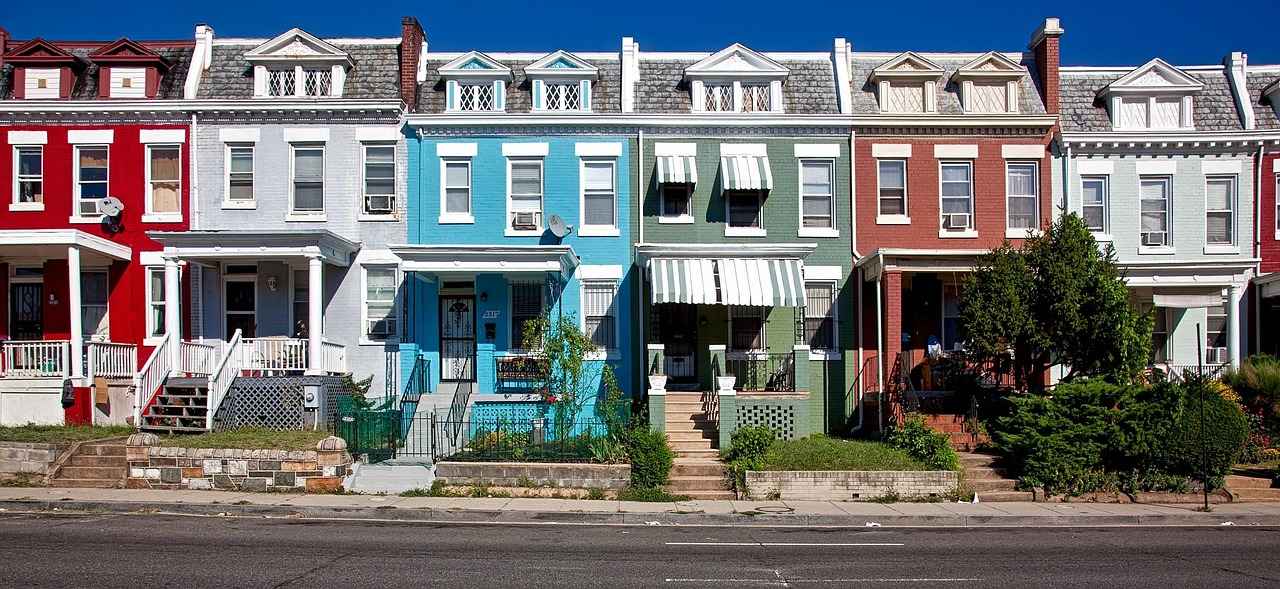
What Factors Should You Consider When Researching Neighborhoods?
When it comes to finding the perfect place to call home, researching neighborhoods is a crucial step. The neighborhood you choose can significantly impact your lifestyle, sense of security, and even your investment potential. Therefore, understanding what factors to consider during your neighborhood search is essential.
Identifying key factors such as safety, amenities, and community vibe can guide your neighborhood research, ensuring you prioritize what matters most to you. Below, we delve into these factors to help you make an informed decision.
- Safety: Safety is often the top priority for many homebuyers. Assessing crime rates, talking to local law enforcement, and visiting the area at different times can provide valuable insights into the safety of a neighborhood.
- Amenities: Consider what amenities are important to you. Proximity to schools, parks, grocery stores, and healthcare facilities can greatly enhance your living experience. Make a list of must-have amenities and evaluate neighborhoods based on their offerings.
- Community Vibe: The atmosphere of a neighborhood can significantly influence your overall happiness. Visit local coffee shops, parks, and community events to get a feel for the residents and their lifestyle. Engaging with locals can provide insights into the community’s spirit and friendliness.
To effectively assess safety, you can start by reviewing local crime statistics available on various online platforms. Websites like NeighborhoodScout and CrimeReports provide detailed crime maps and reports. Additionally, consider the presence of local law enforcement and community watch programs, which can enhance neighborhood safety.
Evaluating amenities is not just about proximity; it’s also about quality. For example, check the ratings of local schools on platforms like GreatSchools and visit nearby parks to assess their condition. Having access to quality amenities can significantly improve your quality of life.
Active community engagement can foster a sense of belonging and safety. Look for neighborhoods with active community organizations, regular events, and volunteer opportunities. Engaging with your neighbors can create a supportive environment, enhancing your overall living experience.
In today’s digital age, numerous online tools can streamline your neighborhood research. Websites like Zillow and Trulia offer comprehensive data about property values, demographics, and local amenities. Additionally, social media platforms can provide real-time insights into community events and resident experiences.
Conducting in-person visits is vital to truly understanding a neighborhood. Take the time to walk around, observe the environment, and interact with locals. Pay attention to factors such as cleanliness, noise levels, and the overall vibe of the area.
During your visit, focus on the details. Are the streets well-maintained? Is there a sense of community? Are local businesses thriving? These observations can help you gauge whether the neighborhood aligns with your expectations.
Talking with residents can yield invaluable insights into the neighborhood’s strengths and weaknesses. Ask them about their experiences, community events, and any challenges they face. This firsthand information can help you make a more informed decision.
Avoid relying solely on online reviews, as they can be biased or outdated. Instead, balance these insights with personal visits and conversations with locals. Consulting local real estate agents and community forums can also provide additional, reliable information that enhances your understanding of the area.
How to Assess Safety in a Neighborhood?
When considering a move to a new neighborhood, assessing safety is paramount. Safety encompasses a range of factors, including crime rates, the presence of law enforcement, and community engagement. By evaluating these elements, potential residents can gain a clearer understanding of the neighborhood’s safety dynamics.
Crime statistics are often the first point of reference for evaluating neighborhood safety. These statistics can provide insights into the frequency and types of crimes occurring in a specific area. Key statistics to consider include:
- Violent Crimes: This category includes offenses such as assault, robbery, and homicide.
- Property Crimes: These involve theft, burglary, and vandalism.
- Trends Over Time: Analyzing whether crime rates are increasing or decreasing can indicate the effectiveness of local law enforcement and community initiatives.
Accessing accurate crime data is crucial for informed decision-making. Several resources are available:
- Local Police Department Websites: Many police departments publish annual reports detailing crime statistics.
- Online Crime Mapping Tools: Websites like CrimeReports and SpotCrime allow users to visualize crime data on interactive maps.
- Community Resources: Local neighborhood associations often compile crime data and safety reports.
The presence and visibility of law enforcement can significantly impact neighborhood safety. A strong police presence can deter criminal activity and provide residents with a sense of security. Consider the following:
- Police Patrols: Regular patrols can enhance safety and encourage community trust.
- Community Policing Initiatives: Programs where officers engage with residents can foster positive relationships and improve safety perceptions.
- Response Times: Investigate how quickly law enforcement responds to incidents, as prompt responses can be critical in emergencies.
Active community involvement is a vital aspect of neighborhood safety. Engaged residents are more likely to look out for one another, report suspicious activities, and participate in local safety initiatives. Consider these factors:
- Neighborhood Watch Programs: These programs empower residents to monitor their surroundings and collaborate with law enforcement.
- Community Events: Local gatherings can strengthen community bonds and promote safety awareness.
- Social Media Groups: Online platforms can facilitate communication among residents regarding safety concerns and updates.
Assessing safety in a neighborhood involves a multifaceted approach that includes evaluating crime statistics, understanding law enforcement presence, and recognizing community engagement. By taking these factors into account, potential residents can make informed decisions about their future homes, ensuring they choose a safe and welcoming environment.
Where to Find Crime Statistics?
When it comes to choosing a neighborhood, understanding the safety dynamics is crucial. One of the most effective ways to gauge a neighborhood’s safety is by analyzing crime statistics. This information can be found through various online resources and local police department websites, providing you with a comprehensive view of safety trends.
Crime statistics serve as a vital tool in assessing the safety of a neighborhood. They allow potential residents to make informed decisions based on factual data rather than anecdotal evidence. By evaluating crime rates, you can identify patterns and trends that may impact your living experience.
To find accurate crime statistics, consider the following resources:
- Local Police Department Websites: Most police departments provide detailed crime reports and statistics on their official websites. These reports often include information on various types of crimes, such as theft, assault, and vandalism.
- Online Crime Mapping Tools: Websites like CrimeReports and NeighborhoodScout offer interactive maps that display crime incidents in specific areas, allowing you to visualize crime hotspots.
- Community Crime Reports: Some neighborhoods have community websites or forums where residents share crime-related experiences and updates. These platforms can provide real-time insights that statistics alone might not capture.
- Government Databases: The FBI’s Uniform Crime Reporting (UCR) Program and the Bureau of Justice Statistics (BJS) offer national crime data that can be useful for comparative analysis between neighborhoods.
When reviewing crime statistics, it’s essential to consider:
- Crime Rate Trends: Look for trends over several years rather than focusing on a single year. An increasing trend may indicate growing safety concerns.
- Types of Crimes: Different neighborhoods may experience different types of crime. Understanding whether a neighborhood has a high rate of property crime versus violent crime can influence your decision.
- Comparison with National Averages: Comparing local crime rates with national or state averages can provide context and help you gauge whether a neighborhood is relatively safe or risky.
While crime statistics are crucial, they are not the only factor to consider when assessing neighborhood safety. Here are additional elements to evaluate:
- Local Law Enforcement Presence: A visible police presence can deter crime and enhance community safety. Investigate how often police patrol the area and their responsiveness to incidents.
- Community Engagement: Neighborhoods with active community organizations and watch groups often experience lower crime rates, as residents work together to maintain safety.
- Environmental Design: Well-lit streets, maintained parks, and visible public spaces can contribute to a feeling of safety, making neighborhoods more appealing.
In conclusion, utilizing a combination of online resources, local insights, and a thorough analysis of crime statistics will empower you to make informed decisions about your future neighborhood. By understanding the safety landscape, you can choose a location that aligns with your lifestyle and security needs.
What Role Does Community Engagement Play?
Community engagement is a vital aspect of any neighborhood, serving as the backbone for fostering a sense of belonging and safety among residents. When individuals actively participate in local events and organizations, they contribute to a stronger, more cohesive community, which can significantly enhance neighborhood safety and overall quality of life.
Researching the role of community engagement can provide insights into how neighborhoods function and thrive. It is essential to evaluate local organizations, events, and volunteer opportunities during your neighborhood research. Engaged communities often exhibit lower crime rates, as residents look out for one another and work together to address issues that may arise.
Why is Community Engagement Important? Active participation in community events and organizations can lead to increased trust among residents. When people know their neighbors, they are more likely to communicate openly, report suspicious activities, and collaborate on safety initiatives. This sense of unity can deter crime and create a more welcoming atmosphere for families and individuals alike.
How to Identify Community Engagement Opportunities? Start by researching local organizations such as neighborhood associations, community centers, and volunteer groups. Attend community meetings or events to observe how residents interact and engage with one another. These gatherings often provide a platform for discussing neighborhood concerns, planning events, and sharing resources.
Additionally, consider exploring social media platforms and local forums where residents may discuss neighborhood issues and events. This can give you a sense of the community’s priorities and how actively they engage with one another.
What Are the Benefits of Strong Community Engagement? A neighborhood with strong community ties often sees numerous benefits, including:
- Enhanced Safety: Residents who know each other are more likely to look out for one another, which can lead to a decrease in crime.
- Improved Quality of Life: Engaged communities often organize events that bring people together, fostering friendships and support networks.
- Increased Property Values: Neighborhoods with active community involvement tend to have higher property values, as they are perceived as desirable places to live.
- Access to Resources: Strong community ties can lead to better access to local resources, including schools, healthcare, and social services.
How to Evaluate Community Engagement Levels? When researching a neighborhood, assess the level of community engagement by looking for:
- Regularly scheduled community events, such as festivals, clean-up days, and sports leagues.
- Active participation in local governance, such as neighborhood councils or town hall meetings.
- Presence of community organizations that address local issues, such as crime prevention, youth programs, and environmental initiatives.
In conclusion, understanding the role of community engagement is crucial when researching neighborhoods. A vibrant, active community can enhance safety, foster connections, and improve the overall quality of life for its residents. By evaluating local organizations and events, you can make informed decisions that align with your lifestyle and values.
How to Evaluate Amenities in a Neighborhood?
When searching for a new home, evaluating amenities in a neighborhood is crucial. Amenities can significantly enhance your living experience, making your daily life more convenient and enjoyable. By understanding what a neighborhood offers, you can make a more informed decision about whether it aligns with your lifestyle and needs.
Amenities such as parks, schools, and shopping centers play a vital role in shaping your living experience. These features not only contribute to your comfort but also influence your overall satisfaction with your neighborhood. For instance, families with children often prioritize access to quality schools, while individuals who enjoy outdoor activities may seek neighborhoods with ample green spaces.
- Parks and Recreation: Look for nearby parks, playgrounds, and recreational facilities. These spaces provide opportunities for outdoor activities, relaxation, and community engagement.
- Educational Institutions: Research the quality of local schools and educational programs. Proximity to good schools can enhance property values and is often a deciding factor for families.
- Shopping and Dining: Assess the availability of shopping centers, grocery stores, and restaurants. A variety of options can make daily errands easier and enhance your social life.
- Public Transportation: Consider the accessibility of public transport options. Easy access to buses and trains can significantly impact your commute and overall convenience.
- Healthcare Facilities: Proximity to hospitals, clinics, and pharmacies is essential for ensuring quick access to medical care when needed.
To thoroughly evaluate amenities, start by creating a list of what matters most to you. Are you an outdoor enthusiast, a parent, or someone who enjoys dining out? Once you have your priorities set, use the following strategies:
- Online Research: Utilize websites like Zillow or NeighborhoodScout to gather information about local amenities. These platforms often provide user reviews and ratings.
- Visit the Neighborhood: Schedule visits to potential neighborhoods. Walking or driving around can give you a feel for the area and allow you to see amenities firsthand.
- Community Engagement: Attend local events or community meetings to learn more about the neighborhood and meet residents. Engaging with locals can provide insights that online research might miss.
Not only should you consider the presence of amenities, but also their quality. For example, a park may be nearby, but if it is poorly maintained, it may not serve your needs. Look for:
- Reviews and Ratings: Check community forums and social media for reviews about local amenities. Residents often share their experiences, which can help you gauge quality.
- Condition and Maintenance: During your visits, observe the condition of parks, schools, and shops. Well-maintained facilities often indicate a caring community.
- Accessibility: Ensure that amenities are easily accessible. Consider factors such as parking availability and public transport options.
In conclusion, evaluating amenities in a neighborhood is a multifaceted process that requires careful consideration and research. By prioritizing your needs and using various resources, you can find a neighborhood that not only meets your expectations but also enhances your overall living experience.

How to Use Online Tools for Neighborhood Research?
In today’s digital age, leveraging online platforms and tools is essential for effective neighborhood research. These resources not only streamline the process but also provide a wealth of data and user-generated insights that can significantly enhance your decision-making. Whether you are looking to buy a home, rent an apartment, or simply explore a new area, understanding how to utilize these tools can make all the difference.
Online tools offer a multitude of benefits, including:
- Accessibility: Information is available at your fingertips, allowing you to research neighborhoods from the comfort of your home.
- Comprehensive Data: These platforms aggregate various types of data, including demographics, crime rates, and school ratings, giving you a well-rounded view of the area.
- User-Generated Insights: Reviews and feedback from current residents provide real-world perspectives that can be invaluable in your research.
There are several online resources that can aid in your neighborhood research:
- Real Estate Websites: Platforms like Zillow, Realtor.com, and Redfin not only list properties but also provide neighborhood statistics, market trends, and school ratings.
- Crime Mapping Tools: Websites such as NeighborhoodScout and SpotCrime allow you to view crime statistics and trends, helping you assess safety.
- Community Forums: Sites like Nextdoor and Reddit can facilitate discussions with local residents, giving you insights into the community vibe and daily life.
Once you have gathered data from various online tools, it’s crucial to analyze it effectively:
- Compare Neighborhoods: Use comparative analysis features on real estate websites to evaluate multiple neighborhoods side by side.
- Look for Trends: Identify trends in crime rates, property values, and demographic changes over time to gauge the neighborhood’s stability and growth potential.
- Read Reviews Critically: While user reviews can provide insights, be cautious of extreme opinions. Look for patterns in feedback to get a balanced view.
Social media platforms can be a treasure trove of information:
- Facebook Groups: Join local community groups to ask questions and read about residents’ experiences.
- Instagram: Use hashtags related to the neighborhood to view posts and stories from local residents, giving you a visual insight into the area.
- Twitter: Follow local news accounts and hashtags to stay updated on community events and issues.
While online tools are incredibly useful, it’s important to consider:
- Data Accuracy: Ensure that the data you are accessing is current and from reliable sources.
- Personal Visits: Always complement your online research with in-person visits to get a true feel for the neighborhood.
- Engagement: Engage with local residents online to gain deeper insights and clarify any doubts you may have.
In conclusion, utilizing online platforms and tools can greatly enhance your neighborhood research. By accessing comprehensive data and user-generated insights, you can make a more informed decision about where to live. Remember to balance online information with personal experiences and community interactions for the best results.
What Websites Offer Neighborhood Insights?
When it comes to researching neighborhoods, the internet is an invaluable tool that can provide a wealth of information. Understanding the various resources available can significantly enhance your ability to make informed decisions about where to live. Below are some of the most effective websites that offer comprehensive neighborhood insights.
Zillow is a popular platform that offers extensive data on real estate listings, market trends, and property values. With its user-friendly interface, you can easily browse neighborhoods by entering specific criteria such as price range, number of bedrooms, and more. Zillow also provides detailed information on:
- Home values: Historical data and property value estimates.
- Market trends: Insights into buyer and seller activity in specific areas.
- Neighborhood ratings: User-generated reviews that can give you a sense of the community vibe.
NeighborhoodScout stands out for its in-depth demographic analysis and crime statistics. This website allows you to explore data such as:
- Population demographics: Age, race, and income levels.
- School ratings: Detailed information about local schools, including test scores and student-teacher ratios.
- Crime rates: A breakdown of crime statistics to help assess safety.
NeighborhoodScout also provides a unique “Neighborhood Quality Score”, which can help you compare different areas based on various factors, making it a valuable resource for prospective homebuyers.
Trulia offers a more community-focused approach to neighborhood research. In addition to property listings, Trulia provides insights into:
- Local amenities: Parks, shopping centers, and restaurants.
- Neighborhood maps: Visual representations of schools, public transport, and other essential services.
- Community discussions: User-generated content that shares experiences and recommendations from current residents.
City-Data is another valuable resource that compiles a wide range of statistics about cities and neighborhoods. You can find information on:
- Cost of living: Comparisons of living expenses in different areas.
- Housing data: Average home prices and rental costs.
- Community forums: Engage with locals and ask questions about specific neighborhoods.
Social media platforms, particularly Facebook, host numerous local groups where residents share their experiences. These groups can provide real-time insights into:
- Community events: Keep track of local happenings and festivals.
- Neighborhood concerns: Discussions about safety, schools, and amenities.
- Recommendations: Advice from residents on the best places to live, eat, and shop.
By utilizing these websites, you can gather a comprehensive view of potential neighborhoods, making it easier to find the perfect location that meets your needs and preferences. Whether you’re looking for safety, amenities, or community engagement, these resources are essential for anyone serious about their neighborhood research.
How to Utilize Social Media for Local Insights?
In today’s digital age, social media has become an indispensable tool for anyone looking to gain insights into a neighborhood. Platforms like Facebook, Twitter, and Instagram not only connect people but also serve as vibrant forums for sharing experiences and opinions. Understanding how to effectively utilize these platforms can significantly enhance your neighborhood research.
Social media platforms can provide real-time feedback and community perspectives, making them a valuable resource for understanding the neighborhood’s culture and residents’ experiences. By tapping into local discussions, you can gain a nuanced view of what it’s like to live in a particular area.
- Community Events: Many neighborhoods have dedicated social media groups where residents share information about local events, gatherings, and initiatives.
- Safety Concerns: Residents often post about incidents or safety issues, providing you with valuable insights into the area’s safety.
- Local Recommendations: From restaurants to schools, you can find firsthand recommendations from people who live in the neighborhood.
- Cultural Insights: Posts and photos can reveal the neighborhood’s vibe, including art, festivals, and community pride.
To maximize your research, consider the following strategies:
- Join Local Groups: Search for community groups on platforms like Facebook. These groups often serve as a hub for discussions and local news.
- Follow Local Influencers: Many neighborhoods have local influencers or bloggers who share insights about the area, including hidden gems and local favorites.
- Ask Questions: Don’t hesitate to post your inquiries in these groups. Residents are usually eager to share their experiences and answer questions.
Utilizing hashtags can help you discover relevant posts. For example, searching for tags like #YourNeighborhoodName or #LocalEvents can lead you to valuable content. This method allows you to explore a wider array of opinions and experiences that may not be highlighted in official sources.
While social media is a treasure trove of information, it’s essential to verify the credibility of the posts. Here are some tips:
- Cross-Reference: Look for the same information on multiple platforms or official neighborhood websites.
- Check User Profiles: Investigate the profiles of those sharing information. Established residents with a history of posting about the neighborhood are likely to provide more reliable insights.
- Engage in Conversations: Respond to posts or comments to clarify any doubts. Engaging in dialogue can help you gauge the authenticity of the information shared.
Images and videos shared on social media can provide a visual context that text alone cannot. Observing local parks, streets, and community events through the eyes of residents can help you form a more comprehensive understanding of the area. Pay attention to the tone of the visuals—whether they depict a vibrant community or a neglected environment can be telling.
In conclusion, leveraging social media for neighborhood research can provide you with a wealth of information and insights that traditional methods may overlook. By engaging with local communities online, you can gather valuable perspectives that will aid you in making a well-informed decision about your future home.

How to Visit Neighborhoods Effectively?
Visiting neighborhoods in person is an essential step in finding the right place to call home. It allows you to immerse yourself in the environment, giving you a tangible sense of what life would be like in that area. Here are some key strategies to make your neighborhood visits effective and informative.
When you visit a neighborhood, it’s important to pay close attention to various factors that can impact your living experience. Here are some critical aspects to observe:
- Cleanliness: Take note of how well-maintained the streets, parks, and public spaces are. A clean environment often reflects the pride residents take in their community.
- Noise Levels: Spend time observing the noise levels at different times of the day. Consider whether the sounds are pleasant, such as children playing, or disruptive, like traffic or construction.
- Community Interactions: Watch how residents interact with one another. Friendly greetings and communal activities can indicate a strong sense of community.
- Local Amenities: Identify the proximity and quality of essential amenities such as grocery stores, schools, parks, and healthcare facilities.
Engaging with local residents can provide you with invaluable insights into the neighborhood’s character. Here are some effective ways to connect:
- Start Conversations: Don’t hesitate to approach residents in parks or local shops. Ask them about their experiences living in the neighborhood.
- Attend Community Events: Participating in local events can help you meet residents in a relaxed setting, making it easier to strike up conversations.
- Visit Local Cafés or Restaurants: These venues are often gathering spots for locals. Enjoying a meal or coffee can lead to casual conversations about the area.
The time of day you choose to visit can significantly impact your experience. Here’s what to consider:
- Weekdays vs. Weekends: Weekends may offer a more lively atmosphere with families and community events, while weekdays can provide a quieter perspective.
- Morning vs. Evening: Visiting in the morning can give you a sense of the neighborhood waking up, while evening visits can reveal how the area comes alive after work.
Utilizing technology can enhance your neighborhood visit. Here are some tools to consider:
- Navigation Apps: Use apps like Google Maps to explore the area and locate nearby amenities.
- Social Media: Check local Facebook groups or neighborhood forums to gain insights or ask questions about the area.
- Real Estate Apps: Use real estate platforms to check property values and recent sales in the area while you’re on-site.
Keeping track of your impressions can be beneficial for later comparisons. Consider these methods:
- Take Notes: Jot down your thoughts and feelings about the neighborhood after each visit.
- Photographs: Capture images of key locations, amenities, and the overall atmosphere to help you remember specific details.
- Checklists: Create a checklist of features you want to assess, such as safety, cleanliness, and community vibe, to ensure a thorough evaluation.
In summary, conducting in-person visits to neighborhoods is a vital part of the home-buying process. By observing your surroundings, engaging with residents, and documenting your experiences, you can gain a comprehensive understanding of potential neighborhoods. This hands-on approach will help you make a more informed decision about where to settle down.
What Should You Look for During a Neighborhood Visit?
When embarking on the journey of finding a new home, an in-person visit to the neighborhood is a critical step. This experience allows you to immerse yourself in the environment and assess various factors that contribute to your overall satisfaction. Below are key elements to consider that can help you make an informed decision.
- Cleanliness: A tidy neighborhood often reflects the community’s pride and care for their environment. During your visit, take note of the streets, parks, and public spaces. Are they well-maintained? Is there litter or debris? Cleanliness can significantly impact your quality of life and your perception of safety.
- Noise Levels: Pay attention to the ambient noise during different times of the day. Are there excessive sounds from traffic, construction, or nightlife? Understanding the noise levels can help you gauge whether the neighborhood aligns with your lifestyle preferences, especially if you value peace and quiet.
- Community Interactions: Observe how residents engage with one another. Are people friendly and welcoming? Do you see families playing in parks or neighbors chatting on porches? Positive community interactions can enhance your living experience and contribute to a sense of belonging.
- Local Amenities: Take note of nearby amenities that are crucial for your daily life. This includes grocery stores, schools, parks, and recreational facilities. Assessing the availability and quality of these amenities can help ensure that your needs are met.
- Transportation Options: Evaluate the public transportation options available in the area. Are there bus stops or train stations nearby? Easy access to transportation can significantly affect your commuting experience and overall convenience.
- Safety Indicators: While you may have researched crime statistics online, observing the neighborhood firsthand can provide additional context. Look for signs of safety, such as well-lit streets, active neighborhood watch signs, and the presence of families and children playing outside.
- Local Culture: Every neighborhood has its unique culture and vibe. Pay attention to local events, art displays, and community activities. Engaging with the local culture can enrich your living experience and help you feel more connected to the area.
In summary, conducting a thorough visit to a potential neighborhood is essential for making an informed decision. By focusing on factors like cleanliness, noise levels, and community interactions, you can gain valuable insights into whether the neighborhood will meet your expectations and lifestyle needs. Remember to take your time during the visit, as this is a significant step towards finding your ideal home.
How to Engage with Local Residents?
Engaging with local residents is a crucial step in understanding the true essence of a neighborhood. Their experiences and stories can shed light on aspects that online research may overlook. Here are some effective strategies for connecting with residents and gaining valuable insights.
Talking with locals can provide invaluable insights into the neighborhood’s strengths and weaknesses. Residents can share their firsthand experiences regarding safety, community events, and the overall vibe of the area. This grassroots perspective often reveals the community dynamics that statistics alone cannot convey.
When initiating conversations, consider the following tips:
- Be Friendly and Approachable: A warm smile and a polite introduction can set a positive tone.
- Ask Open-Ended Questions: Encourage dialogue by asking questions like, “What do you love most about living here?” or “What challenges have you faced in this neighborhood?”
- Listen Actively: Show genuine interest in their responses, which can lead to more in-depth discussions.
When engaging with residents, consider discussing:
- Safety Concerns: Inquire about their perceptions of safety and any experiences they’ve had.
- Community Events: Ask about local gatherings, festivals, or volunteer opportunities that foster community spirit.
- Amenities and Services: Gain insights into the quality of schools, parks, and local businesses.
Finding residents to engage with can be easier than you think. Here are some suggestions:
- Community Events: Attend local fairs, farmers’ markets, or neighborhood meetings to meet residents in a relaxed setting.
- Parks and Recreation Areas: Visit local parks where families gather; this is an excellent opportunity to strike up conversations.
- Cafes and Local Shops: Frequenting local businesses can help you meet residents and learn more about the community.
After engaging with residents, it’s important to analyze the information you’ve collected. Look for common themes in their responses, which can help you identify:
- Community Strengths: What do residents appreciate most about their neighborhood?
- Areas for Improvement: Are there recurring concerns that might affect your decision to move?
- Local Resources: What recommendations do they have for services, schools, or activities?
Building rapport with residents can further enhance your understanding of the neighborhood. Consider the following:
- Participate in Local Events: Getting involved in community activities can help you form connections.
- Volunteer: Offer your time to local organizations, which can deepen your ties to the community.
- Stay in Touch: If you meet someone interesting, exchange contact information to foster ongoing communication.
In conclusion, engaging with local residents is an essential part of researching neighborhoods. Their insights can provide a deeper understanding of the community, enabling you to make informed decisions about your potential new home.

What Are Common Mistakes to Avoid When Researching Neighborhoods?
When it comes to finding your ideal neighborhood, avoiding common mistakes can significantly enhance your decision-making process. Many prospective homebuyers or renters fall into traps that can lead to dissatisfaction or regret. By recognizing these pitfalls, you can save valuable time and ensure a more rewarding experience.
Researching neighborhoods can be overwhelming, especially with the abundance of information available today. Here are some key mistakes to avoid:
- Neglecting to Visit in Person: Relying solely on online research can lead to a skewed perception. Always make time for an in-person visit to get a true feel for the area.
- Overlooking Local Amenities: It’s easy to focus on the home itself and forget about nearby amenities. Consider schools, parks, grocery stores, and entertainment options that can enhance your lifestyle.
- Ignoring Crime Statistics: While it’s important to feel a neighborhood’s vibe, overlooking safety can be a costly mistake. Always check local crime statistics to understand the area’s safety profile.
- Relying Solely on Online Reviews: Online reviews can provide insights, but they can also be biased. Balance these with personal experiences and insights from local residents.
- Not Considering Future Development: Researching potential future developments in the area can impact your decision. New construction can change the neighborhood dynamics significantly.
- Forgetting About Commute Times: Consider your daily commute and how it will affect your lifestyle. A seemingly perfect neighborhood can quickly lose its charm if you spend hours in traffic.
- Ignoring the Community Vibe: Every neighborhood has its own culture. Engage with locals to gauge whether the community aligns with your values and lifestyle preferences.
To avoid these mistakes, adopt a multi-faceted approach to your research:
- Utilize Online Tools: Websites like Zillow, NeighborhoodScout, and local real estate platforms can provide valuable data on demographics, school ratings, and market trends.
- Connect with Local Residents: Engage in community forums or social media groups to ask questions and gain insights from those who live in the area.
- Consult Real Estate Experts: Local real estate agents can offer tailored advice based on your needs and help you navigate the complexities of the housing market.
Asking the right questions can lead you to better insights:
- What is the neighborhood’s long-term development plan? Understanding future changes can help you make an informed decision.
- How do the residents perceive safety? Local opinions can provide a different perspective than statistics alone.
- What are the community engagement opportunities? Knowing how active the community is can influence your satisfaction with the neighborhood.
By steering clear of these common pitfalls and asking the right questions, you can make a more informed decision about your future neighborhood. Remember, the goal is not just to find a place to live, but to discover a community that resonates with your lifestyle and values.
How to Avoid Relying Solely on Online Reviews?
In today’s digital age, online reviews play a significant role in shaping our perceptions of various neighborhoods. However, while they can be informative, relying solely on them may lead to biased perceptions. It’s crucial to balance these reviews with firsthand experiences to ensure accurate assessments of potential living areas.
Online reviews often reflect personal experiences that may not be universally applicable. Factors such as individual biases, motivations, and specific circumstances can skew the information presented. For example, a review may highlight a negative experience related to noise levels, while another may emphasize the vibrant community atmosphere. Therefore, it’s essential to recognize that these reviews can be influenced by the reviewer’s personal context.
To truly understand a neighborhood, you should engage in firsthand exploration. Visiting the area allows you to assess various aspects, such as:
- Community Vibe: Observe how residents interact and the general atmosphere of the neighborhood.
- Amenities: Check the availability of parks, schools, and shops that cater to your lifestyle.
- Safety: Look around for signs of crime and community safety measures.
- Cleanliness: A well-maintained area often reflects the pride residents take in their community.
Here are some practical tips to balance online reviews with your own observations:
- Visit During Different Times: Explore the neighborhood at various times of the day and week to get a comprehensive feel for its dynamics.
- Engage with Residents: Speak with locals to gain insights into their experiences and perspectives. This can provide a more nuanced understanding of the neighborhood.
- Consult Multiple Sources: Look beyond reviews on one platform. Use various websites, social media, and community forums to gather a range of opinions.
Social media platforms can serve as a valuable resource for gathering local insights. By joining community groups or following neighborhood pages, you can access real-time feedback and discussions that may not be captured in formal reviews. This interaction can help you gauge the overall sentiment of residents and identify any recurring issues or highlights.
When reading online reviews, consider focusing on the following aspects:
- Consistency: Look for recurring themes across multiple reviews. If several reviewers mention the same issue, it may warrant further investigation.
- Context: Consider the context of each review. A negative review may stem from a one-off incident rather than a systemic problem.
- Recentness: Pay attention to the date of the reviews. Neighborhoods can change rapidly, and older reviews may not accurately reflect the current situation.
In summary, while online reviews can provide valuable insights into neighborhoods, they should not be the sole basis for your decision-making. Balancing these reviews with firsthand experiences and engaging with local residents will lead to a more accurate and holistic understanding of the community. By taking a proactive approach to your neighborhood research, you can ensure that your new home aligns with your lifestyle and expectations.
What Other Resources Should You Consult?
When embarking on the journey to find your ideal neighborhood, it is essential to gather information from various reliable resources. This comprehensive approach will not only enhance your understanding of the area but also empower you to make informed decisions.
Real estate agents are invaluable resources when researching neighborhoods. They possess extensive knowledge about local market trends, property values, and community dynamics. By reaching out to a few agents, you can gain insights into:
- Recent Sales Data: Understanding what homes have sold for recently can help you gauge the market.
- Neighborhood Trends: Agents can provide information on upcoming developments or changes that may affect your decision.
- Community Insights: They often have a pulse on the community vibe and can recommend areas that align with your lifestyle preferences.
Online community forums are excellent platforms for obtaining firsthand accounts from residents. Websites like Nextdoor or local Facebook groups can offer a wealth of information, such as:
- Local Events: Discover community gatherings or activities that foster engagement.
- Safety Concerns: Residents often share their experiences regarding safety, which can provide insights into neighborhood dynamics.
- Recommendations: Get advice on local services, schools, and amenities from those who live there.
Neighborhood associations serve as a bridge between residents and local governance. By joining or attending meetings, you can:
- Stay Informed: Learn about ongoing initiatives, safety programs, and community projects.
- Network: Meet fellow residents and build relationships that can enhance your sense of belonging.
- Voice Concerns: Participate in discussions about local issues that matter to you.
Local libraries and community centers often host events and provide resources that can enrich your neighborhood research. You can find:
- Workshops: Attend workshops that focus on community development or local history.
- Resource Guides: Access brochures and guides that detail local services, schools, and recreational activities.
- Networking Opportunities: Engage with community leaders and residents who share your interests.
Schools are a significant factor for many families when choosing a neighborhood. Researching local schools can provide insights into:
- Academic Performance: Look into school ratings and performance metrics to assess educational quality.
- Extracurricular Activities: Evaluate the availability of programs that align with your children’s interests.
- Community Involvement: Schools often serve as community hubs, reflecting the neighborhood’s values and engagement.
Social media platforms can be powerful tools for gathering neighborhood insights. By following local pages and groups, you can:
- Stay Updated: Keep abreast of local news, events, and discussions that impact the area.
- Connect with Residents: Engage in conversations that reveal the community’s culture and values.
- Access Real-Time Feedback: Gain immediate reactions to local developments or issues that may concern you.
In conclusion, gathering diverse perspectives from local real estate agents, community forums, and neighborhood associations can significantly enrich your understanding of a potential new home. By utilizing these resources, you can make informed decisions that align with your lifestyle and preferences, ensuring a satisfying living experience.
Frequently Asked Questions
- Why is neighborhood research crucial before moving?
Neighborhood research is vital because it helps you make informed decisions about where to live. It directly impacts your lifestyle, safety, and the potential resale value of your home. Think of it as scouting the terrain before embarking on a journey—you want to know what to expect!
- What factors should I prioritize when researching neighborhoods?
When researching neighborhoods, focus on key factors like safety, amenities, and the community vibe. Consider what matters most to you, whether it’s nearby parks, schools, or a friendly atmosphere. It’s like picking the right ingredients for your favorite recipe—everything needs to blend well!
- How can I assess the safety of a neighborhood?
To assess safety, look at crime statistics and the presence of local law enforcement. Websites and local police department resources can provide valuable insights. It’s like checking the weather before a picnic—you want to ensure a sunny day!
- What online tools can help with neighborhood research?
There are several websites like Zillow and NeighborhoodScout that offer comprehensive neighborhood data, including demographics and school ratings. These tools can streamline your research and give you a clearer picture of what to expect.
- How should I engage with local residents during my research?
Talking to local residents can offer you priceless insights into the neighborhood’s strengths and weaknesses. Think of them as your local tour guides—they know the area better than anyone!