
A Practical Guide to Local Events for Everyday Life
A clear guide for locals balancing daily routines with community happenings, featuring practical steps, cautions, and simple planning tips.

Many readers want events that fit real life, not hours of hunting. This article translates a local events feed into useful, bite-sized steps you can act on this week. You’ll learn how to pick, plan, and enjoy activities without overhauling your schedule.
In short, you’ll see not just what’s on, but how to fit it in: what to attend, what to skip, and how to invite a friend along. This isn’t about chasing every invitation but about making room for meaningful moments.
By the end, you’ll have a simple approach to finding events that align with your routines, values, and energy levels, so weekends feel stronger and lighter.
- Identify your weekly rhythm and pick local events that fit it. Plan concrete details to reduce friction. Start with one reliable outing per week and build as energy allows.
- Use a trusted source to track events, keep invites simple, and avoid overbooking. Have a backup option ready for busy weeks.
- Track outcomes after each event to refine future choices, focusing on items you genuinely enjoy and that fit your routine.
Basics and benefits
Understand your week
Start by auditing your week: mark work, commute, and core family duties. Then identify blocks where a short event could slip in. This clarity helps you choose events that won’t derail your routine. Bağcılar Belediyesi Etkinlik Haberleri offers a local events feed that can be a starting point for weekly planning.
Consider the impact on energy: if you’re busiest on Wednesdays, target lighter evening happenings. A simple calendar check prevents overcommitment.
box_required":true,
- Name the constraint: time, fatigue, or childcare.
- Match activity length to available blocks.
- Avoid double-booking by visualizing the day ahead.
Scan the happenings
Look for a handful of events that fit your interests and nearby locations. Start with one or two per week, then adjust based on how much you enjoyed each experience. This keeps your social life manageable.
Use a trusted source or feed you already check, so you don’t waste time on irrelevant listings. A focused search saves you energy.
bullets_2for5":[]},
The right choices

Prioritize fit over novelty
Favor events that reinforce your routines rather than promising a new, overwhelming experience. Familiar venues and predictable schedules reduce stress after a long day. bağcılar iş ilanları can help gauge what local shifts or opportunities might align with your schedule and interests.
Choosing familiar contexts helps you relax faster and actually enjoy the activity. It also makes it easier to attend again later.
bullets_2for5":[]},
Include your people
Invite someone you know will benefit from the outing—exercise partners, friends with similar interests, or a family member who rarely gets out. Shared plans increase accountability and enjoyment.
If invitations aren’t returned, don’t press. Offer one clear alternative or reschedule to prevent awkward situations.
bullets_2for5":[]},
Practical options
Short, weekly picks
Choose 2–3 small events that wrap around your routines. Shorter experiences are easier to fit between chores and errands.
- Overplanning your weekend leaves no room for spontaneity.
- Neglecting transport details leads to last-minute stress.
- Skipping preparation makes arrival stressful.
Look for activities that require minimal preparation—local markets, outdoor concerts, or community workshops.
bullets_2for5":[]},
- Pack a small tote with essentials for a quick run to an event.
- Set a reminder the day before so you don’t miss it.
- Keep a flexible option in your back pocket for busy weeks.
| Option | Pros | Cons |
|---|---|---|
| Short weekly picks | Easier to schedule; low commitment | May feel repetitive and limit variety |
| Digital helper | Saves time; centralized | Can lead to info overload and distraction |
| In-person gatherings | Strong social payoff | Planning can be resource-intensive |
Digital helps, not hinders
Use a single, trusted source to track events rather than hunting across apps. A focused feed is less time-consuming and more reliable.
Set short, recurring checks so you don’t drift into endless scrolling.
bullets_2for5":[]},
A crowded weekend drains energy and reduces the joy of each activity.
Pitfalls and guardrails

Beware overcommitment
A crowded weekend drains energy and reduces the joy of each activity. Prioritize one meaningful event and a backup option.
- Review the week’s plan on Friday evening.
- Confirm transportation and childcare arrangements.
- Pack essentials the night before.
- Execute with a calm start.
Learn to pause when you feel rushed or tired, and be ready to cancel with courtesy.
bullets_2for5":[]},
Keep expectations realistic
Social plans rarely go perfectly. Allow for small delays, weather hiccups, or mood shifts without derailing your whole plan.
Have a plan B for indoor alternatives when outdoor events get rained out.
bullets_2for5":[]},
Sustainability of routines
Establish regular event checks
Create a simple weekly habit to scan local listings and calendars. Set a fixed time, like Sunday afternoon, to review what happens nearby and mark events that fit your interests. This consistency prevents last‑minute scrambling and helps you plan more smoothly.
- Create a simple weekly check.
- Log what works and adjust.
- Aim for steady, low‑friction outings.
Keep a lightweight log of events you attend, noting what worked and what didn’t. Use a small notebook or a notes app to capture timing, transport, and comfort level. Over time, patterns emerge: what days tend to have the best options and which venues suit your pace.
Track how participation affects your week, not just your calendar. If a Saturday morning activity consistently drains energy, swap it for something lower effort. The goal is a steady stream of small, reliable outings rather than occasional bursts of heavy socializing.
- Set a 10‑minute weekly review
- Mark 3 events that fit your week
- Note transport and time needs
- Adjust based on energy and balance
Local resources and access

Know your local hubs and venues
Start with community centers, libraries, and municipal pages to discover recurring activities. These places often host affordable classes, clubs, and informal gatherings that fit different energy levels. It’s practical to pick a few reliable options rather than chasing every new event.
Learn how to access listings quickly: save bookmarks, subscribe to newsletters, or set up alerts for key terms like “workshop” or “family activity.” This reduces the time you spend searching each week. Then you can decide with less friction when to join.
Observe how accessibility shapes your choices, including hours, parking, and transit. If an event requires a long commute, consider nearby options or online alternatives. Accessibility isn’t a luxury; it determines whether you can participate regularly.
- Bookmark key calendars
- Choose 2–3 reliable venues
- Set alerts for new listings
- Check transit and parking in advance
Building social habits
Make inviting plans that feel doable
Proactively invite a friend or neighbor to join a local event rather than joining alone. A shared plan increases accountability and lowers the anxiety of trying something new. Keep invitations light and specific—mention where to meet and what to expect.
Suggest low‑pressure activities that don’t demand long commitments. A 60‑minute gallery walk, a farmers market stroll, or a casual coffee afterward can lead to ongoing social ties without overwhelming your schedule.
Track your comfort level after each outing and adjust. If a gathering felt draining, try a shorter option next time or join a different venue with a slower pace. The point is to build reliable social momentum.
- Invite a buddy to a specific event
- Prefer short, repeatable activities
- Record how each outing feels
- Adjust pace based on energy
Maintaining balanced planning
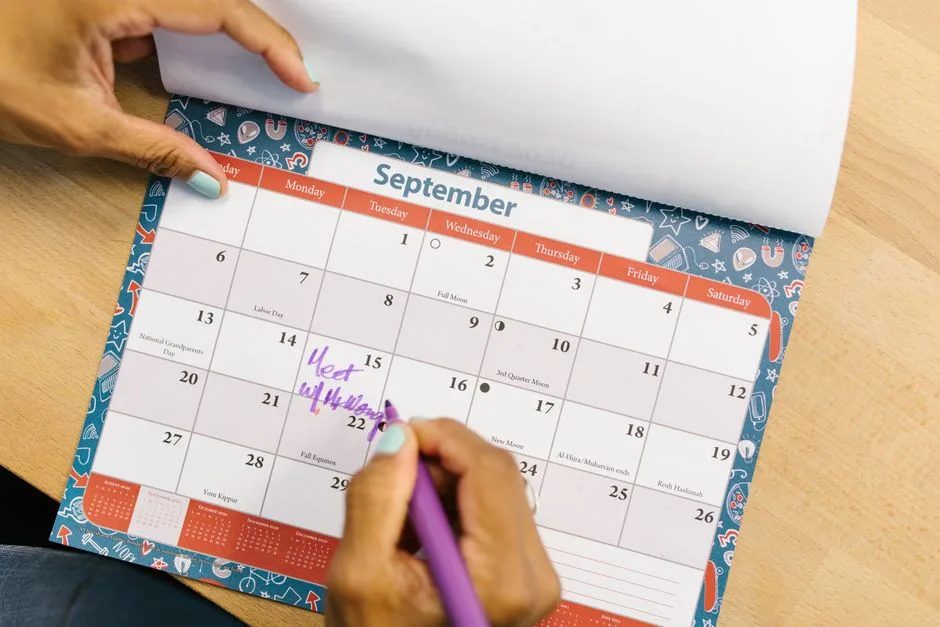
Balance calendar with your energy
Blend event attendance with downtime to avoid burnout. Use a simple rule: schedule one social activity per week and keep 2–3 free days for rest or spontaneous plans. This helps you maintain motivation without feeling overwhelmed.
Create a flexible plan that accommodates changing energy levels. If a week feels too busy, swap a daytime event for an evening online option or postpone it. Flexibility protects consistency.
Review monthly outcomes and prune activities that no longer serve you. If a venue consistently drains you more than it rewards, step back and try something similar elsewhere. The aim is long‑term sustainability.
- Limit weekly commitments
- Keep room for spontaneity
- Adjust based on energy levels
- Reassess choices monthly
Frequently asked questions
How do I start if I have zero interest in local events?Begin with a single, low‑commitment option, like a weekly walk at a nearby park or a cafe meetup. Focus on accessibility and comfort, not the social angle. Over time, exposure reduces hesitation and you’ll gain confidence to try more options.
What if transportation is a barrier?Choose venues within walking distance or with easy transit connections. If public transport is needed, plan the route in advance, including parking or pickup points. A reliable route reduces decision fatigue and makes attendance more likely.
How can I involve a friend without feeling pushed?Invite someone you trust for a specific event and timeframe. Framing it as a shared activity with a clear start and end makes it easier to accept. If the friend isn’t available, consider online or low‑stakes alternatives you can do solo.
What if an event is not enjoyable?Give it one fair try, then reassess. Note what aspects were off—timing, crowd size, or venue—and adjust future choices accordingly. It’s normal to replace underwhelming options with ones that better fit your pace and interests.
Conclusion
A steady approach to local events starts with one reliable routine you can actually follow. From there, small adjustments over weeks turn casual outings into regular, rewarding moments.
Next steps: pick one weekly local activity that suits your pace, add a minor variation after a month if energy allows, and keep a simple log to guide future choices.
You may also find Bağcılar Güncel Duyurular’ı Yaşamınızla Bütünleştirmek: Basit helpful as it covers related aspects of this subject.
If you enjoyed this article, we recommend checking out Practical Guide to Finding Softdog Beds: for further reading.
You may also find Technik trifft Möbel: sichere Smarte Lösungen helpful as it covers related aspects of this subject.
Add How to Guides as a preferred source on Google


