
How Espoon paikalliset aiheet fits into everyday life
A practical explainer for readers seeking reasons to follow Espoon paikalliset aiheet and how it affects daily living, relationships, and home life.

You read about local topics to stay connected, informed, and prepared for daily decisions. This explainer shows why Espoon paikalliset aiheet matters to your routines, relationships, and home life. It breaks down what it covers, how to use it, and what to watch for as you weave local insights into everyday choices.
A clear path from curiosity to usable knowledge helps you pick topics that actually affect your day. You’ll see practical examples, like planning a weekend around a community event or adjusting a meal plan after a local update. The goal is to make local information feel relevant, not overwhelming.
The article uses straightforward steps and real-life scenarios so you can decide what to read, how to apply it, and when to share with others in your circle.
- Espoon paikalliset aiheet connects daily life to nearby people and places. This guide shows how to read local topics for practical use, from weekly habits to micro-plans.
- Use filters to focus on items that affect your routines, home or relationships. Create simple plans that you can act on within days.
- Avoid information overload by prioritizing high-impact topics, verifying facts, and building flexible routines that adapt to change.
Basics you can use
Foundations of local topics
Start by understanding what local topics are and how they arise from nearby events, councils, and neighborhoods. This helps you decide which items deserve attention rather than chasing every headline. Use a simple filter: what affects your daily routines, homes, and interactions with neighbors? Espoon paikalliset aiheet helps you see how local topics fit into daily routines.
- Choose two topics you already encounter regularly
- Mark the day they seem most relevant
- Open a local update once a week and skim for anything actionable
- Apply one useful tip and note its impact
These topics often surface through community boards, transit updates, and school notices. Recognize which ones truly matter to your household or friend group. If something changes time or location, it is usually worth a closer look.
Track the topics you actually use: calendars, grocery plans, or weekend plans. Don’t overcomplicate this by following everything; prioritize what links to your ordinary cadence.
- Identify topics that affect your daily routines
- Note changes that alter travel or errands
- Add items to a short local-read list
- Set a weekly check-in for updates
- Share relevant topics with nearby friends
Ways to read them practically
Approach local topics with a specific purpose, like planning meals, trips, or social plans. Focus on what can be done this week rather than what is merely interesting. Concrete nuggets beat broad narratives for busy readers.
Look for concrete actions: a new bus route, a community garden volunteer day, or a neighborhood safety tip. These are actionable and easy to fit into a schedule. If something seems vague, pause and verify with a reliable local source.
Finally, combine several related items into a simple plan. For example, align a weekend hike with a nearby park event and a casual dinner with friends afterward. Small bundles reduce decision fatigue.
- Spot actionable updates
- Coordinate plans with local events
- Bundle related topics into a mini-plan
- Keep a short list of time-sensitive items
How to use it daily
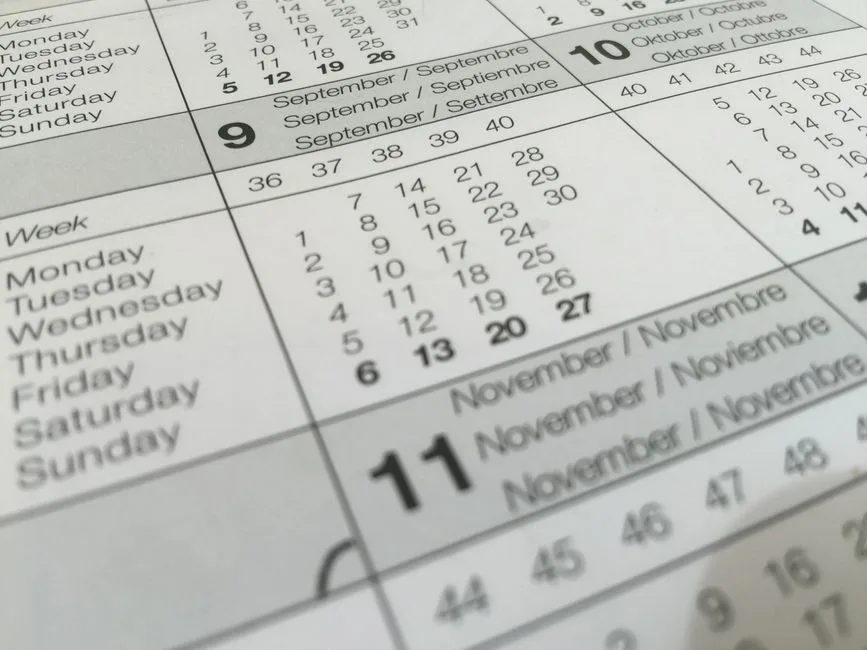
Make a weekly reading habit
Set aside 10 minutes on a chosen day to skim local topics. The goal is consistency, not length. Short, regular checks build familiarity and reduce surprise changes.
Use a simple note system: jot one item that could affect your week and one action you’ll take. This makes the process tangible and non-cluttered.
Over time, you’ll recognize which sources reliably reflect local realities and which can be safely ignored to protect your time.
- Weekly 10-minute skim
- One action per item
- Track trusted sources
- Review and adjust your picks every month
Turn reads into simple plans
Translate a local update into a concrete plan. If a park event starts at 11, decide whether to attend, time a coffee stop, and arrange rides or walking routes. The aim is to move from information to behavior.
Make a micro-plan for meals, errands, or social events around local topics. This helps you stay efficient and present, not overwhelmed. Write down the plan in two lines for easy recall.
Revisit plans if circumstances shift, and adjust for new timings or venues. The point is to remain flexible without losing momentum.
- Create a two-line micro-plan
- Assign a time and place
- Prepare backup options
- Rewrite plans as needed
Options you can choose from
Diverse topics, clear filters
Local topics come in many flavors: housing, transport, events, and services. Filter by what touches your routine, not by novelty. This keeps your reading focused and useful.
- Choose one practical topic per day
- Mark its relevance to your week
- Act when it becomes time-sensitive
- Discard items not affecting plans
Use a simple criterion: does this affect your calendar, budget, or relationships? If yes, consider saving it for later or acting on it now.
Limit subscriptions or alerts to practical streams that offer timely, relevant updates. This reduces noise and keeps you sane.
- Filter by routine impact
- Save or act on relevant items
- Limit information streams
- Avoid perpetual alerts
| Method | Pros | Cons |
|---|---|---|
| Deep reading | Deep understanding of a few topics | Takes time to build habit |
| Selective reading | Less time spent | May miss some updates |
| Rotating themes | Balanced view across life areas | Requires regular adjustment |
Choosing how much to read
You don’t need to read everything. Prioritize depth over breadth by selecting one or two themes per month to follow closely. This builds expertise without burnout.
Rotate focus to cover different life areas, like home maintenance, family or social life. Broad awareness still happens in everyday conversations.
Set a cap on minutes spent per day; a focused window helps you stay informed without draining energy.
- Prioritize one or two themes
- Rotate focus to balance life areas
- Limit daily reading time
- Review monthly focus
Distinguish between time-sensitive notices and background information that does not demand immediate action.
Pitfalls to avoid

Common misreads
Assuming every local update is urgent wastes time and creates anxiety. Distinguish between time-sensitive notices and background information that does not demand immediate action.
Keep from chasing every trend or rumor. Verify facts with a known local source before reacting. This saves energy and prevents missteps.
Overbuilding plans around one topic can backfire if circumstances change. Build in flexibility and stop when things stall.
- Treat timing seriously but not as urgency
- Verify facts before reacting
- Maintain flexible plans
Where plans go wrong
Planning around uncertain details leads to wasted effort. When venues shift, the entire schedule collapses. Build contingencies for common changes like weather or noise restrictions.
Overloading a weekend with events leaves little room for rest or spontaneous interactions. Balance is essential to maintain energy for relationships and chores.
Ignoring personal limits—time, money, or energy—creates fatigue and resentment. Know when to pause and skip an option.
- Schedule with buffers
- Avoid back-to-back commitments
- Respect personal limits
Ethical considerations
Ethical boundaries for locals
Always ask for consent before sharing what you learn about a neighbor or local business. Respect privacy when documenting everyday life, and avoid exposing sensitive details. Be mindful of cultural nuances that shape how topics are discussed in your community.
- ☐ Explain your purpose clearly to readers
- ☐ Describe how you protect privacy in every example
- ☐ Show the local impact without exploiting individuals
- ☐ Offer a transparent correction policy if something goes wrong
When in doubt, choose transparency over sensationalism: explain why a topic matters to readers and how you’ll handle it responsibly. If someone objects, offer a neutral alternative that still informs without creating harm.
Balance curiosity with care: you can explore local topics deeply while safeguarding personal boundaries. This keeps the piece credible and trustworthy, which matters more than a bold headline.
- Ask for permission when featuring a person
- Blur identifying details if needed
- Cite sources and local perspectives
- Avoid rumor and speculation
Community involvement

Engaging with neighbors through data
Start by asking readers where they gather locally, from farmers’ markets to volunteer groups. Describe a simple way to observe community life without intruding on private moments. Show how data about local topics can reflect shared concerns rather than individual stories.
- Introduce a local issue with direct quotes when possible
- Provide a contact for readers to participate
- Summarize community responses and next steps
- Mention how readers can contribute anonymously
Use transparent methods: note how you collected information, who you spoke with, and what you learned. Readers appreciate a straight account of the process. This builds trust and invites further participation.
Close with practical steps readers can take to get involved, such as attending a meeting or starting a small survey asking for feedback on a neighborhood issue.
- Attend a town hall
- Volunteer for a local cause
- Ask for feedback through a quick survey
- Share outcomes with neighbors
Tech tools for local life
Smart planning for everyday tasks
Describe practical apps that help with daily errands, like coordinating car rides, sharing bulky items, or tracking local events. Give concrete examples such as planning a weekend grocery run with neighbors or finding a last-minute tool loan from a nearby maker space.
Explain how to compare features without hype: look for privacy controls, offline access, and local relevance. Give readers a simple checklist to evaluate any tool before adopting it.
Offer a short recipe for a routine: set a weekly local update, try one new tool, review usefulness after a month, and keep what works.
- Privacy controls
- Offline access
- Local relevance
- User reviews
Future trends in local topics

What to expect in nearby issues
Forecasts about local topics should focus on practical implications: how a change will affect daily routines, costs, or community ties. Use examples like changes to transit schedules or new co-op programs that impact shopping habits.
Describe the stakes without promising guarantees. Readers respond to realistic timelines and clear, actionable plans rather than bold forecasts. Show how today’s decisions ripple into tomorrow’s routines.
Close with a forward-facing habit readers can adopt now to stay informed, such as subscribing to a local digest or attending quarterly planning sessions.
- Transit changes
- Housing and rents
- Local services quality
- Community programs
Frequently asked questions
Who should contribute to Espoon paikalliset aiheet?Anyone living in or connected to the area can contribute ideas or observations. The aim is practical insight for daily life, not fame or sensational coverage. Share clear context and be mindful of privacy when involving others.
How do I verify local information before writing about it?Cross-check with at least two reliable sources, prefer firsthand accounts, and note any uncertainties. If data is anecdotal, label it as such and explain how it informs the point you’re making.
What makes a local topic suitable for a lifestyle piece?Topics that affect routines, home life, relationships, or wellness fit best. Look for practical impact—how it changes daily decisions, costs, or interactions with neighbors.
Can readers submit feedback or corrections?Yes. Readers can share corrections or additional perspectives to improve accuracy and balance. Respond with a concise update that preserves the core point.
Final reflections and next steps
Readers can begin by choosing one local topic that touches daily life and outlining a short explainer with two sources. Focus on clear, concrete steps readers can take this week. The goal is to make local topics feel relevant and doable.
Then, establish a regular habit: scan a council update, talk to a neighbor about a concern, and note what actually changes in your routine. Over time this builds practical knowledge about your community and how local topics shape it.
Add How to Guides as a preferred source on Google


