
Practical Guide to Munich Mobility for Everyday Life
A clear, reader-friendly explainer about Münchner Mobilität, outlining what it means for daily living, how it works, and practical options and pitfalls.

People in Munich want reliable, simple ways to move around without hassle. This explainer breaks down what Münchner Mobilität means for everyday life, why it matters for daily routines, and how you can use common options to get where you’re going with less stress. It’s about practical choices, not jargon.
From bikes and buses to ride-hailing and planning tips, you’ll learn the basics first, then concrete steps you can take this week. You’ll also see possible missteps and how to avoid them so your errands stay smooth.
By the end, you’ll have a clear sense of which options fit your schedule, budget, and pace, plus a quick toolkit for future trips around town.
- Münchner Mobilität is about practical, everyday movement in Munich.
- Start with the simplest route for your daily trips and add options as needed.
- Plan for weather, delays, and transfers by building small, repeatable routines.
- Use public transit and active modes to save time and reduce stress where possible.
- What Münchner Mobilität is in practice
- How to move efficiently without stress
- Accessible options for every budget
- Common mistakes to avoid and how to fix them
- Advanced planning tips and tools
- Community resources and networks
- Long-term mobility habits
- City changes and personal adaptation
- Frequently asked questions
- Moving forward with a flexible routine
What Münchner Mobilität is in practice
What it means day to day
Münchner Mobilität refers to how residents move safely and efficiently through the city. It includes public transit, cycling, walking, and car use, with a focus on reliability and convenience. Understanding your typical routes helps you choose the best option for each trip.
For many, a daily routine blends several modes: a bus to the train, a bike to work, and a quick car ride for errands. Knowing transit times, shared spaces, and walking distances makes planning easier. The aim is to reduce friction between where you are and where you want to go.
- Know peak times to avoid crowding
- Keep a backup option for rain
- Schedule flexible buffers for transfers
Where to start your planning
Begin with your most frequent trips and map the simplest route using two or three options. This creates a baseline you can adjust when schedules shift or weather changes. Early planning saves time during busy mornings.
Try a week of mixed modes to see what fits: a bus-and-train combo, a full cycle, or a walk-and-ride approach. Tracking which option felt most reliable helps you refine habits. The goal is consistency, not perfection.
- List primary routes
- Note travel times for each option
- Record any delays or hubs to avoid
How to move efficiently without stress
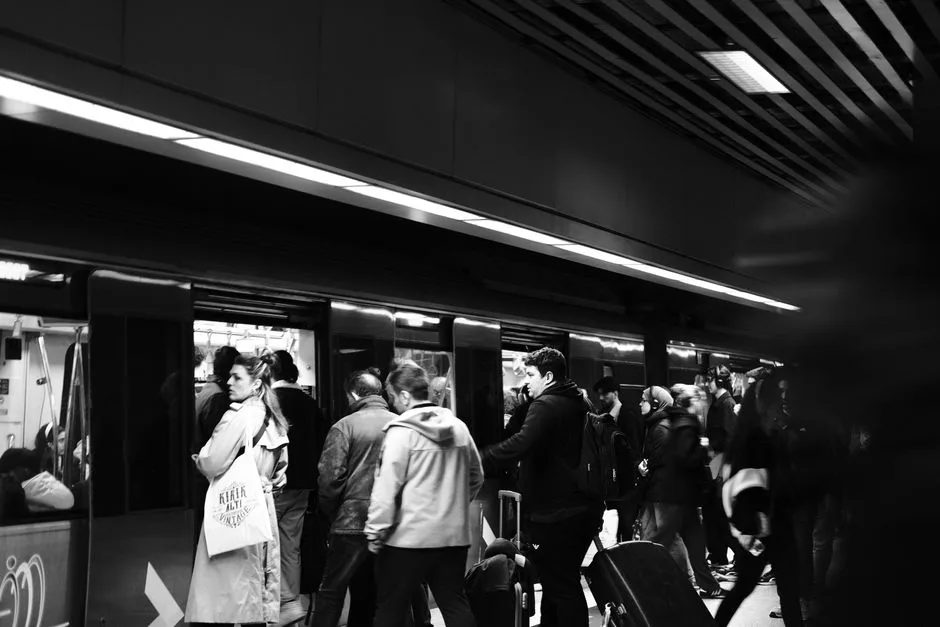
Practical routines for busy days
Create a repeatable morning ritual that minimizes decision fatigue. Decide the night before whether you’ll bike, bus, or walk, and prepare gear accordingly. A simple routine reduces lateness and increases calm.
Build buffers into your plan: allow extra time for transfers, weather changes, and occasional delays. Small safeguards keep you moving even when plans shift. Consistency beats perfection in busy seasons.
Track one reliable metric, like total trip time, and use it to compare options. Small data helps you pick the best mode for similar days in the future.
- Establish a habit cue
- Pack essentials in a single bag
- Set a latest acceptable departure time
Smart tips for less stress
Use real-time updates to steer around congestion or delays. Apps and transit displays can guide you to quieter routes or alternative trains. This keeps errands on track without last‑minute chaos.
Carry wet-weather gear and a light umbrella so weather doesn’t derail your plans. A small kit reduces the number of last‑minute shopping trips.
Keep a short list of backup options in your notes so you don’t get stuck deciding on the spot.
- Have a weather-ready coat
- Know a nearby alternative stop
- Keep a compact travel umbrella
Accessible options for every budget
Public transit basics you should know
Public transit offers affordable, predictable options for most daily trips. Start with a reusable pass that covers buses and trains, then add fare caps if your amount varies week to week. This keeps costs transparent and predictable.
Understanding routes and transfer points prevents fare surprises. A small portion of your daily commute on a different line can save time and fatigue.
Seasonal passes or student discounts can trim costs, but verify eligibility and limits before buying.
- Choose a pass that fits your range
- Note transfer policies
- Compare weekend vs weekday fares
| Option | Pros | Cons |
|---|---|---|
| Public transit | Predictable schedules, cost efficiency | Less control over timing, potential crowding |
| Cycling | Good exercise, flexible routing | Weather and safety considerations |
| Walking | Zero cost, simplest option | Time consuming for long distances |
Active modes that fit city living
Cycling and walking keep you active and connected to local spaces. Invest in a reliable lock and a lightweight setup for quick start stops. Small upgrades make daily movement feel effortless.
Plan routes that pass through green spaces for a mental break during long days. Fresh air and a cleaner route can boost mood and energy.
For occasional longer trips, know where to rent a bike or share scooter as a bridge between stations if you don’t own a vehicle.
- Lock securely
- Carry a small repair kit
- Choose routes with shade or scenery
Accept a small change in plan and keep moving instead of getting stuck.
Common mistakes to avoid and how to fix them
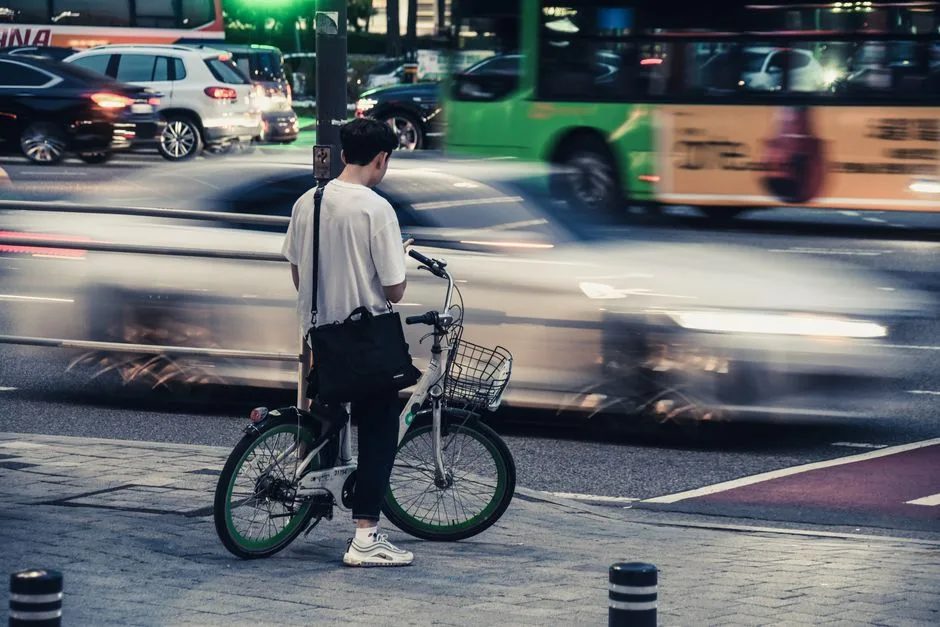
Pitfalls that slow you down
Overplanning can stall action. Start with one clear choice per trip and adjust as needed. Perfectionism wastes time and causes stress.
Ignoring alerts and delays leads to missed connections. Accept a small change in plan and keep moving instead of getting stuck.
Underestimating the value of a back-up option leaves you stranded. Always have a plausible alternative route ready.
- Limit choices to two options
- Check alerts before leaving
- Keep a backup plan for weather
- box_label_not_used
- box_points_not_used
Practical fixes that stick
Create a simple toolkit: a prepaid transit card, a lightweight rain jacket, and a compact umbrella. Having these items ready prevents detours.
Set a weekly review to note which routes caused delays and adjust your go‑to plan accordingly. Regular tweaks reduce recurring annoyances.
Share your plan with someone you trust so you have accountability in sticking to your routine.
- Prepare a standard bag
- Review routes weekly
- Involve a friend or partner
Advanced planning tips and tools
Smart trip planning basics
Begin by listing your regular destinations and the times you travel most often. Use simple calendars or planners to map out typical routes and transit options. This creates a stable baseline you can adjust when plans change.
- Choose your main routes
- Note transfer points
- Check the daily timetable
- Test the plan before a busy day
When schedules shift, adapt by building a small contingency into your plan, such as checking alternatives a day ahead. This reduces last-minute stress and helps you keep on time.
If you rely on several modes, practice a dry run on a weekend to test transfers and walking times. You’ll notice choke points and save precious minutes during busy days.
- Identify peak hours for trains and buses
- Set up route reminders on your phone
- Carry a lightweight travel card or pass
- Keep a short backup route for delays
Community resources and networks

Neighborhood mobility groups
Look for local forums or social media groups where residents share transit tips and real-time updates. These informal channels can reveal shorter paths and crowd advice you won’t find in official guides.
Attend a community meeting or join a neighborhood association to hear about planned changes and how they’ll affect residents. Being informed helps you adjust routines before disruption hits.
Develop a habit of asking neighbors about their commutes; you’ll discover practical shortcuts and hidden pedestrian routes that save time and reduce stress.
- Join a local transit chat group
- Attend town meetings when possible
- Share your own tips to help others
- Keep a small notepad of useful route ideas
Long-term mobility habits
Habits that sustain your travel
Establish a consistent morning routine that minimizes rushing, such as preparing bags the night before and laying out shoes and coat. Small rituals reduce decision fatigue and keep you moving smoothly.
- ☐ Consistency reduces stress
- ☐ Small sustainable choices matter
- ☐ Review and adjust regularly
Prioritize sustainable options when feasible, like walking part of the way or combining errands into a single trip. These choices add up to less stress over time and better fitness.
Track your travel mood and outcomes for a month to see patterns. You can adjust routes or modes to stay comfortable while meeting daily demands.
- Create a pack checklist
- Combine errands into one trip
- Record travel wins and pain points
- Adjust as seasons change
City changes and personal adaptation
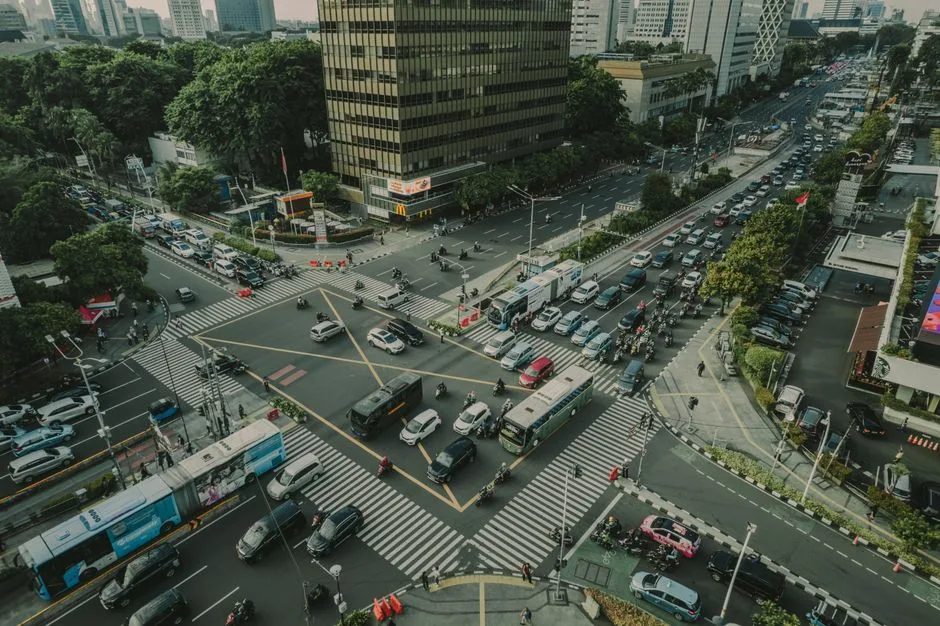
Adapting to changes in the city
Cities evolve, and so do transit patterns. When roads close or new lines start, give yourself a week to test alternatives without forcing a perfect schedule.
Use digital tools to watch for real-time updates and plan around closures. This helps prevent delays from turning into missed commitments.
Develop a flexible mindset where you treat unexpected changes as a chance to discover a better routine instead of a setback.
- Monitor service alerts
- Try alternative routes early in the day
- Keep a backup plan for key trips
- Reassess weekly during transitional periods
Frequently asked questions
What is Münchner Mobilität in practical terms for a daily routine?Münchner Mobilität refers to the set of options and practices that make moving around Munich predictable and comfortable—timely trains, reliable buses, walkable neighborhoods, safe cycling routes, and simple planning routines that keep your day flowing smoothly.
How can I adjust plans when city construction disrupts routes?Stay flexible by having at least two backup routes or modes. Check live updates before you head out, allow extra time for transfers, and keep a smaller, lighter bag to simplify changes quickly.
Are there budget-friendly ways to stay mobile in Munich?Yes. Mix walking with short rides on public transit, buy a seasonal pass if you travel often, and look for free or low-cost community shuttle options around neighborhoods.
What should I do if I have to travel with a tight schedule?Plan the most direct route first, confirm transfer times, and build a short buffer for unexpected delays. Carry a lightweight, modular bag and know nearby alternatives for quick pivots.
Moving forward with a flexible routine
The real value in Munich mobility is the ability to adapt without drama. Start with a clear baseline, then test one small change at a time to see what sticks.
Lasting habits come from repeatable, low-friction steps that fit your life—like a short nightly prep or a predictable weekend route. Build those into your week and you’ll reduce friction overall.
Add How to Guides as a preferred source on Google


