The Essence of Mindful Living
In the fast-paced world we inhabit, the concept of mindful living has emerged as a beacon of tranquility and self-awareness. Mindful living is not merely a trend; it is a lifestyle choice that encourages individuals to be fully present in each moment, fostering a deeper connection with oneself and the surrounding environment. This practice can transform mundane activities into meaningful experiences, enhancing overall well-being and satisfaction.
Cultivating Mindfulness in Daily Routines
Incorporating mindfulness into daily routines can be simpler than one might think. Simple practices such as mindful eating, where one savors each bite and pays attention to the flavors and textures, can significantly enhance the dining experience. Similarly, mindful walking involves being aware of each step, the sensation of the ground beneath your feet, and the rhythm of your breath. These practices can be seamlessly integrated into daily life, making ordinary moments extraordinary.
Mindful Morning Routines
Starting the day with a mindful routine sets a positive tone for the rest of the day. This could include a few minutes of meditation, journaling, or simply enjoying a cup of tea while focusing on the present moment. Creating a calm and intentional morning routine can help reduce stress and increase productivity throughout the day. It’s about making small, conscious choices that align with your values and goals.
Mindful Evening Practices
As the day winds down, engaging in mindful evening practices can help transition into a restful night’s sleep. This could involve a gentle yoga session, reading a book, or reflecting on the day’s events. The key is to avoid screens and stimulating activities that can disrupt sleep patterns. Instead, focus on activities that promote relaxation and mindfulness, allowing the mind and body to unwind naturally.
The Impact of Mindful Living on Relationships
Mindful living extends beyond personal well-being; it also enriches relationships. By being fully present during conversations, individuals can foster deeper connections and understanding. Active listening, a key component of mindful communication, involves not only hearing the words but also paying attention to the emotions and underlying messages. This practice can transform interactions, making them more meaningful and fulfilling.
In the realm of international relations, mindful communication is equally crucial. For instance, staying informed about global events through reliable sources like international relations news analysis can provide a broader perspective, fostering empathy and understanding across cultures. This holistic approach to communication can bridge gaps and promote harmony in both personal and professional spheres.
Self-Improvement Through Mindful Living
Mindful living is a powerful tool for self-improvement. By being aware of one’s thoughts, emotions, and actions, individuals can make conscious choices that align with their personal growth goals. This self-awareness can lead to better decision-making, improved emotional regulation, and a greater sense of purpose.
Setting Intentions and Goals
Setting intentions and goals is a fundamental aspect of mindful living. Intentions serve as guiding principles, while goals provide a roadmap for achieving them. By setting clear, achievable goals and aligning them with personal values, individuals can create a sense of direction and purpose. Regularly reviewing and adjusting these goals ensures that they remain relevant and meaningful.
Practicing Gratitude
Gratitude is another cornerstone of mindful living. Taking time each day to reflect on the things one is grateful for can shift the focus from what is lacking to what is abundant. This practice can cultivate a positive mindset, enhance well-being, and strengthen relationships. Keeping a gratitude journal is a simple yet effective way to incorporate this practice into daily life.
Creating a Mindful Home Environment
The home environment plays a significant role in fostering mindful living. A clutter-free, organized space can promote a sense of calm and clarity. Incorporating elements of nature, such as plants and natural light, can enhance the overall ambiance. Additionally, creating designated spaces for relaxation, such as a meditation corner or a reading nook, can encourage mindful practices.
Decluttering and Organizing
Decluttering and organizing the home can have a profound impact on mental well-being. A tidy space reduces stress and anxiety, making it easier to focus and relax. Adopting a minimalist approach, where only essential items are kept, can simplify life and create a more peaceful environment. Regular decluttering sessions can help maintain this sense of order and tranquility.
Incorporating Nature
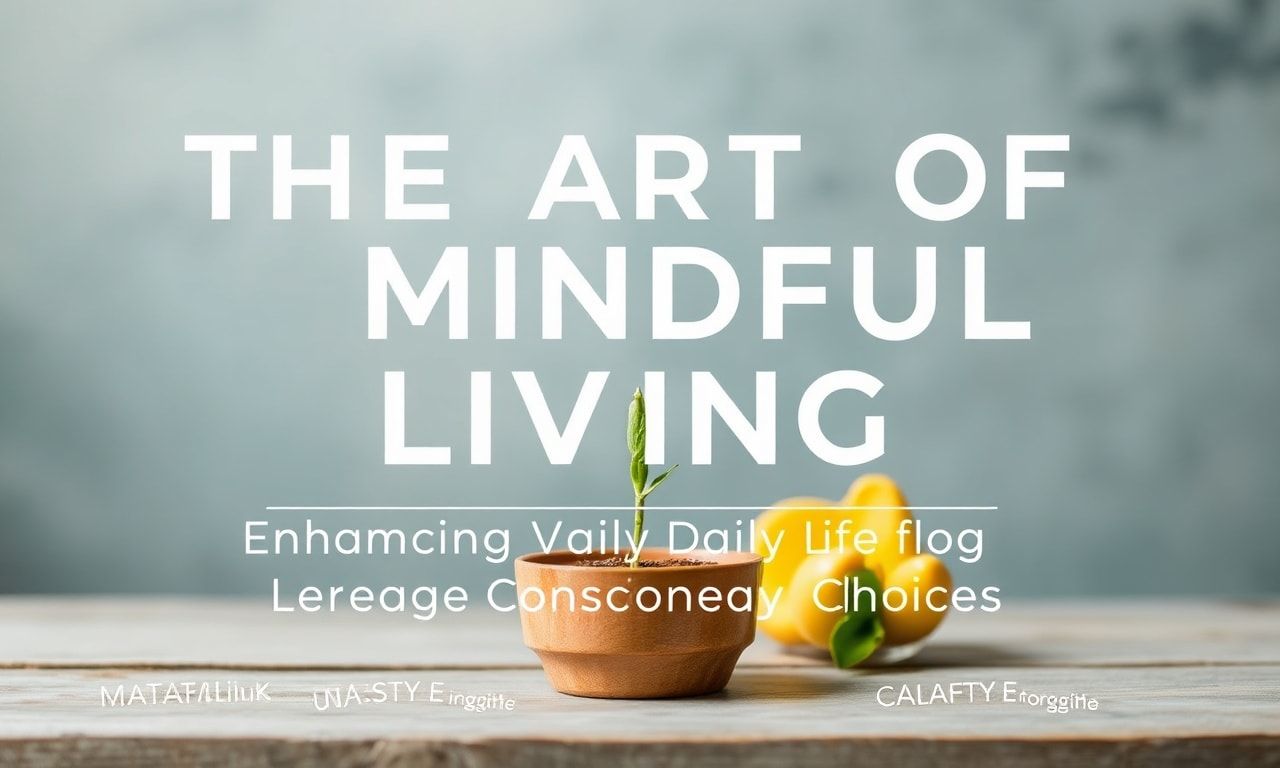
Bringing elements of nature into the home can enhance the mindful living experience. Indoor plants not only purify the air but also add a touch of greenery that can be soothing to the eyes. Natural light, through large windows or skylights, can improve mood and energy levels. Creating a small indoor garden or placing a bowl of fresh fruit on the table can also connect the home with the natural world.
Conclusion
Mindful living is a journey of self-discovery and growth. By incorporating mindful practices into daily routines, individuals can enhance their well-being, strengthen relationships, and create a harmonious home environment. The key is to approach each moment with awareness and intention, transforming ordinary experiences into extraordinary ones. Embracing mindful living is not about perfection but about progress, one conscious choice at a time.
If you’re looking to enhance your daily life and relationships, consider exploring science-based lifestyle improvements that could transform your routine.
If you’re looking to enhance your daily living and strengthen relationships at home, our latest article on creating a harmonious space offers practical tips and trends to inspire you.
If you’re looking to enhance your daily life and relationships, consider checking out key points for better living to help you navigate your personal journey.