
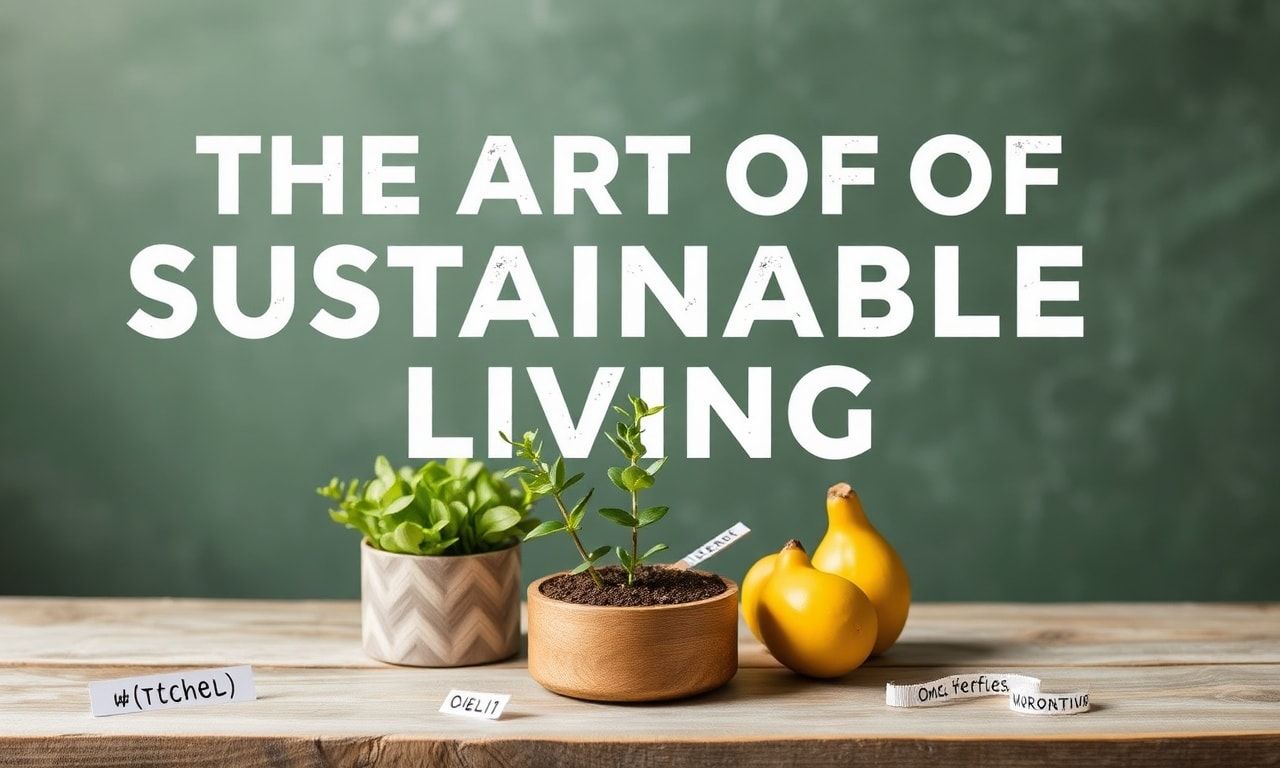
Embracing Sustainability in Daily Life
In an era where environmental consciousness is more crucial than ever, sustainable living has transitioned from a trend to a necessity. The good news is that you don’t need to overhaul your entire lifestyle to make a difference. Small, mindful changes can lead to significant impacts over time. This article explores practical ways to integrate sustainability into your daily routines, focusing on areas like home management, personal growth, and community engagement.
Green Thumb, Green Planet: Sustainable Gardening Practices
Gardening is a fantastic way to connect with nature and contribute to a healthier environment. Whether you have a sprawling backyard or a tiny balcony, you can make a difference. One innovative approach is chia seed farming for soil temperature management, which not only helps regulate soil temperature but also improves soil health and water retention. This method is particularly useful in regions with extreme climates, ensuring that your plants thrive even in less-than-ideal conditions.
Another sustainable gardening practice is composting. By turning kitchen scraps and yard waste into nutrient-rich compost, you reduce landfill waste and create a natural fertilizer for your garden. Composting is easy to start and can be done in a small bin or a dedicated compost pile. It’s a win-win situation for both your garden and the environment.
Choosing the Right Plants
When planning your garden, opt for native plants that are well-adapted to your local climate. Native plants require less water and are more resistant to pests and diseases, making them a low-maintenance and eco-friendly choice. Additionally, consider planting pollinator-friendly flowers to support local bee populations, which are crucial for biodiversity and food production.
Mindful Consumption: Reducing Waste at Home
Mindful consumption is about being aware of what you buy and how you use it. Start by assessing your current habits and identifying areas where you can reduce waste. For example, switch to reusable bags, bottles, and containers to minimize single-use plastics. Invest in high-quality, durable items that last longer, reducing the need for frequent replacements.
Another effective strategy is to practice the ‘one in, one out’ rule. For every new item you bring into your home, remove an old one. This approach helps declutter your space and encourages thoughtful purchasing decisions. Additionally, consider repairing items instead of replacing them. Many items can be easily fixed with a bit of effort and the right tools, extending their lifespan and reducing waste.
Sustainable Shopping
When shopping, look for products with minimal packaging and opt for those made from recycled or sustainable materials. Support local businesses and farmers’ markets to reduce the carbon footprint associated with transportation. Buying in bulk can also reduce packaging waste and often saves money in the long run.
Building Stronger Relationships Through Shared Values
Sustainable living is not just about individual actions; it’s also about fostering a community that shares and supports these values. Engage with like-minded individuals and participate in local sustainability initiatives. Organize or join community clean-up events, tree-planting drives, or workshops on sustainable living practices. These activities not only contribute to a healthier environment but also strengthen community bonds.
Share your knowledge and experiences with friends and family. Encourage them to adopt sustainable practices by leading by example. Small changes, when multiplied by many, can lead to significant positive impacts. Remember, every action counts, and collective effort is key to achieving sustainable living on a larger scale.
Self-Improvement Through Sustainable Living
Embracing sustainable living can also be a journey of self-improvement. It encourages mindfulness, discipline, and a deeper connection with nature. By making conscious choices, you develop a greater sense of responsibility and awareness. This journey can lead to personal growth and a more fulfilling lifestyle.
Start by setting small, achievable goals. For example, commit to reducing your energy consumption by turning off lights and unplugging electronics when not in use. Gradually, incorporate more sustainable practices into your routine, such as using public transportation, biking, or walking instead of driving. Each small step brings you closer to a more sustainable and fulfilling life.
Reflect on your progress regularly. Keep a journal or use apps to track your sustainable living efforts. Celebrate your achievements and learn from any setbacks. Remember, sustainability is a journey, not a destination. Every effort counts, and every small change makes a difference.